
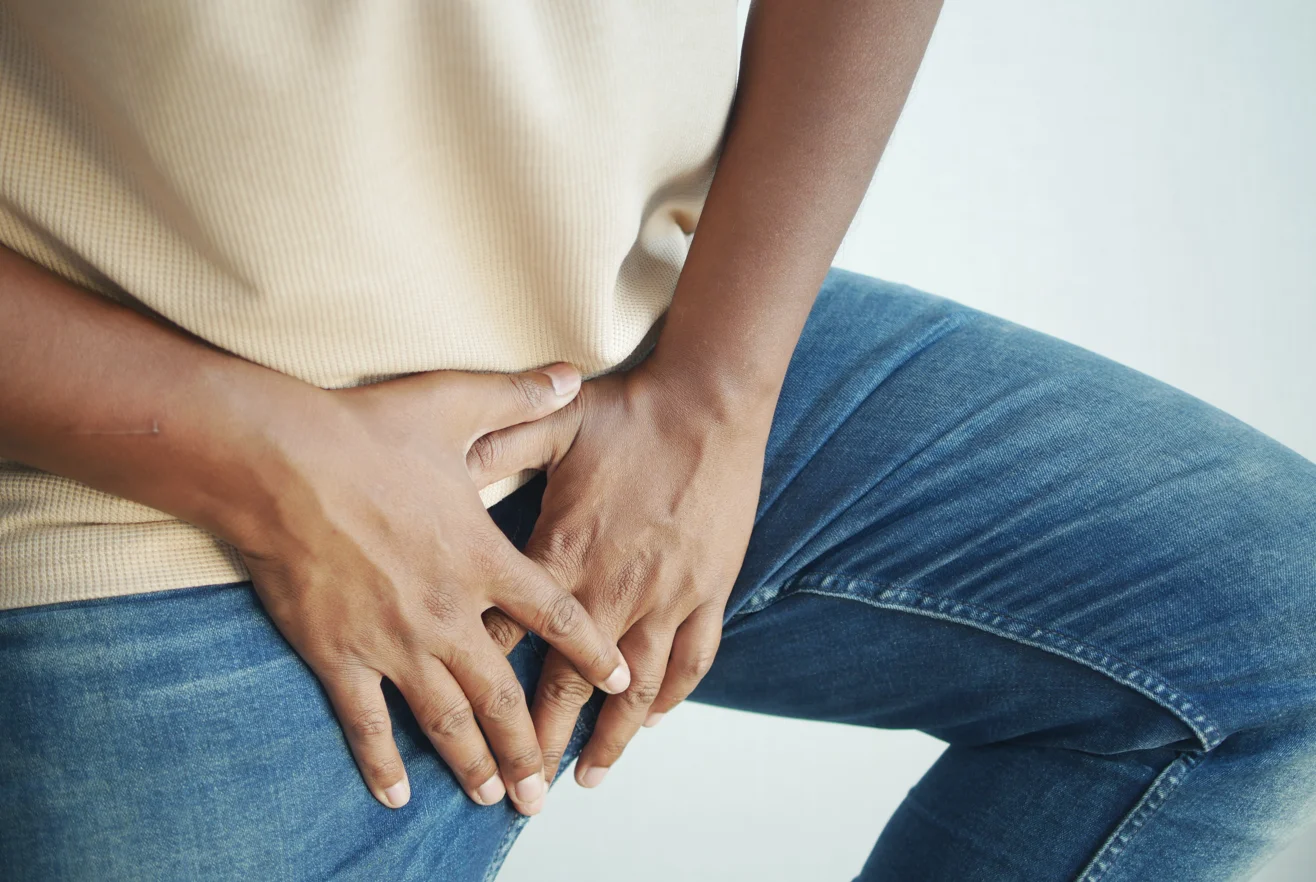
Painful Erectile Dysfunction: Causes, Symptoms & Treatment
Most conversations about erectile dysfunction center on one problem — not being able to get or keep an erection. But there’s a far less discussed experience that affects a significant number of men: erections that are painful. Not uncomfortable. Not awkward. Actually painful.
Painful erectile dysfunction sits at the intersection of two separate but often connected problems — difficulty with erection and physical pain during or around the experience. For many men, the pain itself becomes the reason the dysfunction develops. For others, the dysfunction comes first, and pain is a symptom pointing to something deeper.
This article is a straight look at what painful erectile dysfunction actually is, why it happens, and what genuinely helps — written for men who are tired of vague reassurances and want real information.
What Is Painful Erectile Dysfunction?
Painful erectile dysfunction refers to a condition in which a man experiences physical discomfort, aching, burning, or sharp pain in the penis, pelvis, or groin — either during an erection, while attempting one, or after sexual activity. This pain may occur alongside incomplete erections, loss of erection, or even during a full erection.
It’s important to distinguish this from:
- Peyronie’s disease — which specifically causes curved, painful erections due to scar tissue
- Priapism — a painful erection lasting more than four hours, unrelated to sexual desire
- General sexual pain — which may stem from anxiety or psychological causes without a structural basis
That said, all three can contribute to or coexist with painful erectile dysfunction, making an accurate diagnosis critical.
Common Causes of Painful Erectile Dysfunction
Understanding the root cause is everything here. Pain during or around erections is almost always the body sending a signal — and ignoring it tends to make both the pain and the dysfunction worse.
1. Peyronie’s Disease
One of the most direct causes, Peyronie’s disease involves the buildup of fibrous scar tissue (plaque) inside the penis. This plaque restricts flexibility during erection, causing the penis to curve abnormally and producing real, sometimes significant pain. The pain is often most intense in the early “active” phase of the disease. Studies suggest it affects roughly 1 in 11 men, though underreporting is common due to embarrassment.
2. Prostatitis and Pelvic Floor Dysfunction
Chronic prostatitis — inflammation of the prostate gland — is a frequently overlooked cause of painful erectile dysfunction. The prostate sits close enough to the structures involved in erection that chronic inflammation can cause referred pain during arousal and ejaculation. Similarly, pelvic floor muscle dysfunction, where the muscles of the pelvic floor are too tight (hypertonic), creates tension that translates directly into painful erections and difficulty maintaining them.
3. Vascular and Blood Flow Issues
Erections depend on precise blood flow. Conditions that affect circulation — including atherosclerosis, high blood pressure, and diabetes — don’t just reduce erectile function. In some cases, restricted or abnormal blood flow into penile tissue creates pressure-related discomfort or aching during partial erections. Men who describe a “throbbing” pain during erection attempts often have an underlying vascular component.
4. Nerve Damage (Neuropathy)
Diabetic neuropathy, nerve damage from pelvic surgery, or injury to the pudendal nerve can produce a range of sensations — including burning, shooting pain, or hypersensitivity during erection. This type of painful erectile dysfunction is neurological in origin and requires a different treatment approach than structural or vascular causes.
5. Skin and Tissue Conditions
Conditions like lichen sclerosus, balanitis (inflammation of the glans), or phimosis (tight foreskin) can make erections uncomfortable or outright painful due to skin tension and tissue irritation. These are often visible on examination and among the more straightforward to treat.
6. Post-Surgical or Post-Radiation Changes
Men who have undergone radical prostatectomy, cystectomy, or pelvic radiation for cancer treatment frequently experience painful erectile dysfunction as a result of nerve disruption, scarring, or tissue changes. This is one of the most challenging forms and often requires a multi-modal treatment approach.
7. Psychological Amplification
This isn’t to say the pain is “in your head” — it isn’t. But chronic pain has a well-documented relationship with anxiety. Men who have experienced painful erections begin to anticipate pain, which triggers a stress response, which further disrupts erectile function. Over time, the psychological component can outlast the original physical cause. Recognizing this loop is part of effective treatment.
Symptoms to Watch For
Painful erectile dysfunction doesn’t always look the same. The following symptoms, particularly in combination, warrant a medical evaluation:
- Pain or aching in the penis, perineum, or lower abdomen during or after erection
- Visible curvature of the penis during erection (possible Peyronie’s)
- Burning or stinging sensation during or after sex
- Pain that worsens with sustained erection but improves afterward
- A hardened lump or band of tissue along the shaft of the penis
- Difficulty achieving or maintaining erection because of anticipated pain
- Pelvic heaviness or pressure unrelated to sexual activity
If an erection is painful and lasts more than two to three hours without sexual stimulation, seek emergency medical care immediately — this may be priapism, which can cause permanent damage.
How Is Painful Erectile Dysfunction Diagnosed?
A thorough diagnosis typically involves:
Medical history review — including timing of pain, any recent pelvic injury or surgery, diabetes history, and psychological factors.
Physical examination — assessment of penile tissue, curvature, foreskin, prostate (via digital rectal exam), and pelvic floor tension.
Ultrasound imaging — particularly useful for Peyronie’s disease, as it can detect scar tissue and assess blood flow patterns.
Hormone and blood testing — low testosterone and elevated blood glucose (diabetes) are both relevant and worth screening for.
Urology or pelvic physiotherapy referral — depending on suspected cause, specialist input is often needed.
Treatment Options That Actually Work
For Peyronie’s Disease
The FDA-approved injectable treatment collagenase clostridium histolyticum (Xiaflex) can break down the plaque causing curvature and pain. Traction therapy (penile traction devices used consistently) has also shown meaningful improvement in curvature and symptoms. Severe cases may require surgical correction.
For Pelvic Floor Dysfunction
Pelvic floor physiotherapy — with a physiotherapist trained in male pelvic health — is genuinely underused and genuinely effective. Manual therapy, biofeedback, and targeted relaxation exercises can significantly reduce pain and improve erectile function over six to twelve weeks.
For Vascular Causes
Lifestyle interventions — consistent aerobic exercise, dietary change, smoking cessation — improve erectile function through real vascular mechanisms, not wishful thinking. PDE5 inhibitors (sildenafil, tadalafil) work by enhancing blood flow and may also help in cases where vascular restriction contributes to discomfort.
For Neuropathic Pain
Nerve pain requires different management: neuropathic agents (such as gabapentin or low-dose tricyclics), careful glycemic control in diabetic patients, and sometimes nerve block procedures. Recovery following pelvic surgery may involve penile rehabilitation programs to preserve erectile tissue health.
For Psychological Amplification
Sex therapy and cognitive behavioral therapy (CBT) aren’t soft options — they have a strong evidence base for pain-related sexual dysfunction. Addressing the anticipatory anxiety cycle is often what allows other treatments to fully work.
When to See a Doctor — Without Waiting
Men routinely delay seeking help for sexual health concerns. With painful erectile dysfunction, delay carries real risk: Peyronie’s disease can progress and cause permanent structural changes; priapism can cause irreversible damage within hours; and pelvic pain syndromes often become harder to treat when left unaddressed for years.
If you have experienced painful erections more than a few times, it’s worth a conversation with a urologist or your GP. The conversation is far less awkward than the alternative.
The Bottom Line
Painful erectile dysfunction is a legitimate medical condition with identifiable causes and effective treatments. Pain is not a normal part of erection or sexual function — it’s a signal. The sooner it’s taken seriously, the more options you have.
Whether the cause is structural (Peyronie’s, pelvic floor), vascular, neurological, or a combination, the path forward starts with understanding what you’re actually dealing with. Most men who get a proper diagnosis find there’s more that can be done than they expected.