
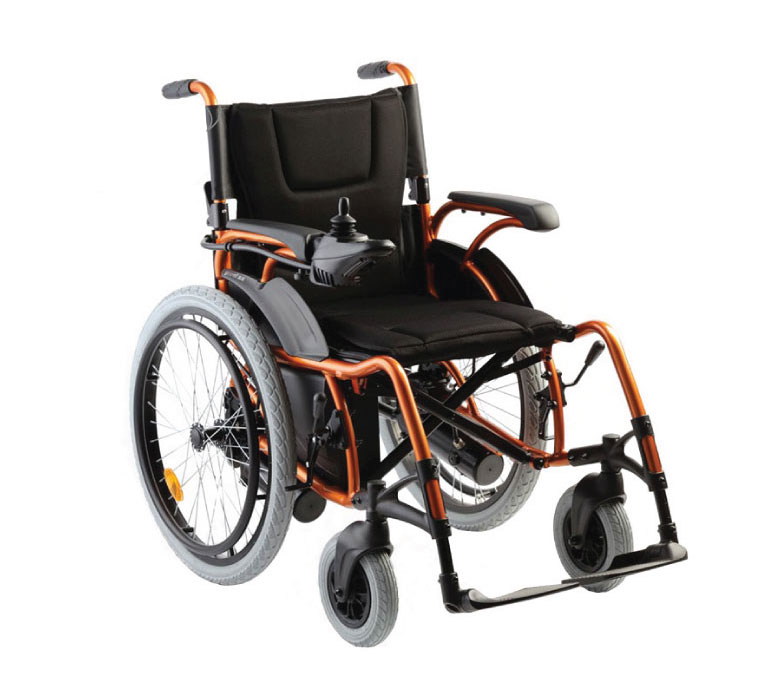
Electric Wheelchairs for Elderly Users: Mobility and Independence Across Europe
As Europe’s population ages rapidly, electric wheelchairs are transforming the lives of seniors by restoring mobility, fostering independence, and enhancing overall quality of life. With life expectancy rising and mobility challenges affecting millions, powered mobility devices help elderly users navigate daily routines, maintain social connections, and participate in community activities without constant reliance on caregivers. This blog explores the benefits, key features, European context, and practical considerations for electric wheelchairs.
The Growing Need for Mobility Solutions in Europe
Europe faces a significant demographic shift. By the mid-2020s and beyond, the proportion of people aged 80 and older continues to increase, driving demand for assistive technologies. Many seniors experience reduced mobility due to arthritis, post-stroke conditions, neurological issues, or general frailty, which can lead to isolation, depression, and dependency.
Electric wheelchairs address these challenges by offering powered movement with minimal physical effort. Unlike manual wheelchairs, which require upper body strength that many elderly users lack, power chairs empower users to control their direction and speed via joysticks or alternative controls. Studies and user reports consistently link power wheelchair use to improved social participation, reduced pain, and higher life satisfaction.
Key Benefits for Elderly Users
The primary advantage is independence. Seniors can move around their homes, visit shops, attend medical appointments, or enjoy parks without waiting for assistance. This autonomy boosts self-esteem and mental health.
Safety and comfort are also critical. Modern electric wheelchairs feature customizable seating, posture support, anti-tip mechanisms, and smooth suspension systems that handle indoor and outdoor terrain. For elderly users, lightweight, foldable models are particularly valuable for travel or storage in smaller European apartments.
Additional benefits include:
- Social engagement: Easier access to family gatherings, cafes, or cultural events.
- Health maintenance: Reduced sedentary lifestyle risks and preserved muscle function through controlled activity.
- Caregiver relief: Families and care staff experience less physical strain.
Essential Features to Consider
When selecting an electric wheelchair for seniors, prioritize:
- Portability: Foldable or lightweight models (e.g., under 40-50 lbs) that fit in cars or public transport.
- Battery range: 10-20+ miles per charge for daily use.
- Terrain adaptability: Mid-wheel or all-terrain options for cobblestone streets common in European cities.
- User-friendly controls: Simple joysticks, attendant controls, or specialized interfaces for limited dexterity.
- Comfort and adjustability: Padded seats, reclining options, and pressure-relief cushions to prevent sores.
- Safety features: Speed limits (often capped around 15 km/h in many contexts), automatic braking, and stability systems.
Popular models in 2026 include lightweight options like INTCO E-Lite for indoor/errands, robust choices like INTCO STAR for outdoors, and premium European brands such as Permobil (Sweden), Ottobock and Sunrise Medical/QUICKIE (Germany), and Eloflex foldables.
The European Landscape: Regulations, Funding, and Accessibility
The European Union supports accessibility through initiatives like the European Accessibility Act (EAA), which promotes barrier-free products and services, including better integration of mobility aids in transport and public spaces. Air travel rights (EC 1107/2006) allow free carriage of mobility equipment, with assistance provided at airports.
Funding and reimbursement vary by country but are improving:
- In Germany, statutory health insurance offers comprehensive coverage for prescribed devices.
- France introduced full reimbursement for wheelchairs (no out-of-pocket costs) starting December 2025, with streamlined processes.
- Northern European countries generally provide stronger support than Southern ones, though disparities exist. Many nations require a doctor’s or occupational therapist’s prescription.
Despite progress, challenges remain. Historic buildings, narrow sidewalks, and inconsistent public transport accessibility can frustrate users. Older elevators and cobblestone streets in cities like Paris or Rome often require planning. Portable models help, but users should research venues in advance.
Overcoming Challenges and Practical Tips
Common hurdles include high upfront costs (mitigated by funding), battery management, and maintenance. Training on safe operation is essential, especially for new users. In urban Europe, choosing a compact model aids navigation in tight spaces.
Tips for seniors and families:
- Consult healthcare professionals for assessments.
- Test-drive models through dealers or experience centers (e.g., in the Netherlands).
- Consider travel needs—airline-approved foldables are ideal for cross-border trips.
- Join user communities for real-world advice on local accessibility.
Conclusion: Empowering a Fuller Life
Electric wheelchairs are more than mobility aids—they are gateways to dignity, freedom, and active aging across Europe. By investing in the right device and leveraging supportive policies, elderly users can reclaim independence and fully participate in society. As technology advances with lighter materials, smarter batteries, and better integration, the future looks even brighter for senior mobility.
Whether navigating Amsterdam’s canals, exploring Barcelona’s accessible spots, or simply moving freely at home, the right electric wheelchair makes all the difference. Families and policymakers should continue advocating for equitable access. For many seniors, it’s not just about getting around—it’s about living fully.