
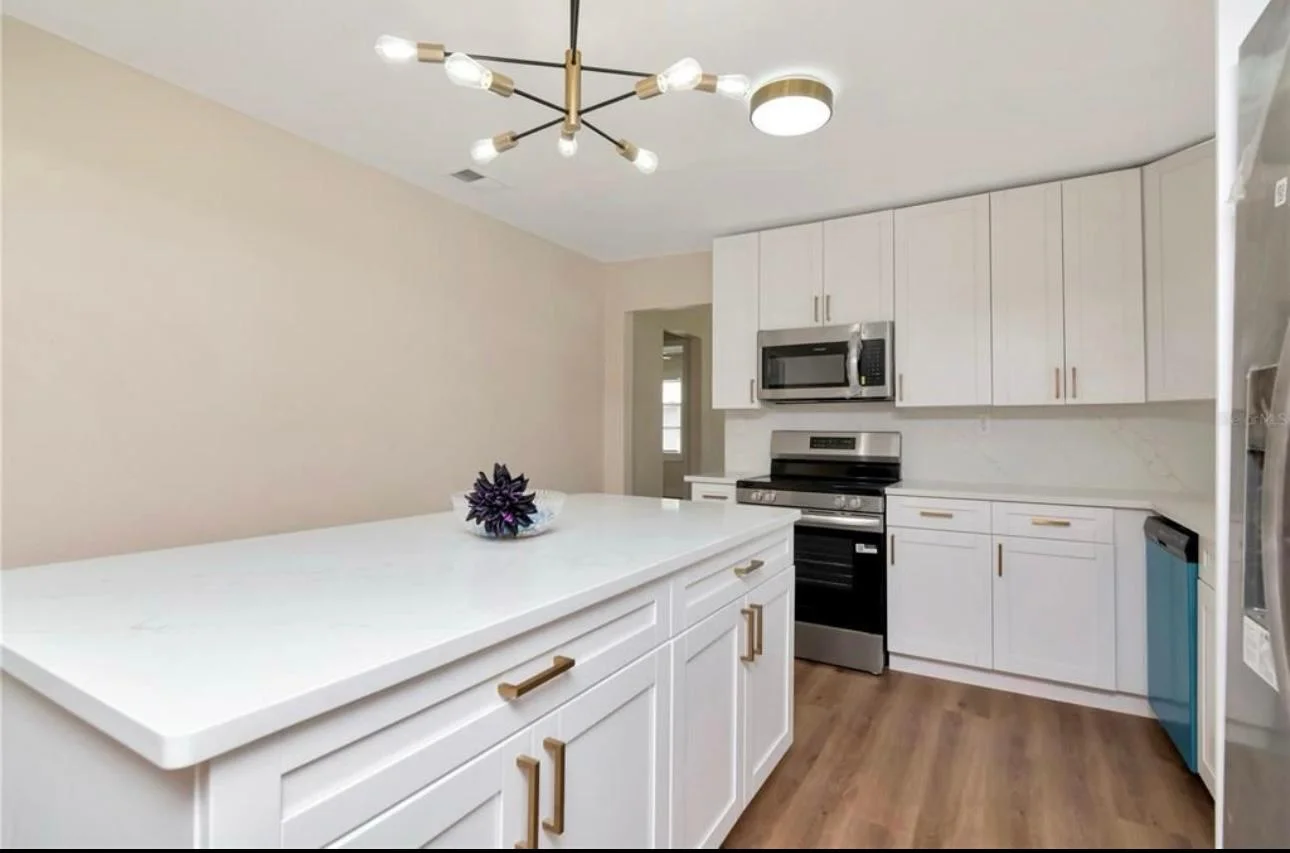
Creating a Spacious and Functional Home Environment
Why Open Concept Living Continues to Appeal to Homeowners
Traditional floor plans often separate the kitchen, dining room, and living room into distinct areas. While this arrangement can provide privacy, it may also create a sense of confinement and limit interaction among family members.
An open concept design removes unnecessary barriers and allows multiple areas to work together more naturally.
Benefits often include:
- Improved natural light
- Better traffic flow
- Increased visual space
- Easier entertaining
- Enhanced family interaction
- Greater flexibility in furniture arrangement
For many homeowners, the appeal lies in creating a home that feels more connected and adaptable to modern lifestyles.
Start With Structural Considerations
Before removing walls, it’s important to understand their structural role.
Not every wall can simply be demolished without affecting the integrity of the home. Load-bearing walls may require engineered support systems such as beams or columns to safely redistribute weight.
Working with qualified professionals early in the planning process helps identify:
- Structural requirements
- Utility relocations
- HVAC adjustments
- Electrical modifications
- Permit considerations
One of the biggest surprises homeowners encounter is discovering that a seemingly simple wall removal can involve much more behind the scenes than expected.
Defining Spaces Without Adding Walls
One challenge of open concept design is maintaining a sense of organization.
Without walls, rooms still need visual boundaries that help distinguish different functions.
Effective strategies include:
Area Rugs
Large rugs can define seating areas while adding warmth and texture.
Furniture Placement
Sofas, consoles, and sectionals naturally separate living zones without blocking sightlines.
Ceiling Treatments
Beams, tray ceilings, or subtle architectural details can help establish different sections within an open space.
Lighting Layers
Distinct lighting fixtures over dining, kitchen, and living areas create visual separation while maintaining openness.
The goal is to create subtle distinctions without disrupting the flow of the overall design.
Maximizing Natural Light
One of the greatest advantages of an open concept remodel is the ability to improve natural light distribution.
When walls are removed, sunlight can travel farther throughout the home, making interiors feel brighter and more welcoming.
To maximize this effect, consider:
- Larger windows where feasible
- Glass doors
- Light-reflective finishes
- Neutral wall colors
- Strategic mirror placement
An insider tip many designers use is selecting finishes with a slight reflective quality rather than high-gloss surfaces. This helps distribute light naturally while maintaining a sophisticated appearance.
Connecting the Living Room and Kitchen
Many open concept remodels focus on combining the living room with the kitchen area.
This connection allows homeowners to prepare meals, entertain guests, and spend time with family without feeling isolated.
However, successful integration requires careful planning.
Consider:
- Consistent flooring materials
- Coordinated color palettes
- Balanced lighting design
- Adequate storage solutions
- Functional traffic patterns
As discussed in this guide from a trusted kitchen renovation contractor tampa fl, thoughtful planning between connected spaces often contributes more to long-term satisfaction than simply creating a larger footprint.
Choosing the Right Furniture for Open Spaces
Furniture plays a critical role in making an open concept layout feel cohesive.
Oversized furniture can overwhelm the room, while pieces that are too small may make the space feel disconnected.
When selecting furnishings, focus on:
- Proper scale
- Clear circulation paths
- Visual balance
- Flexible seating arrangements
One practical observation is that homeowners often underestimate how much furniture is needed to anchor a large open area. Strategic placement typically creates a more comfortable environment than leaving large portions of the room empty.
Storage Becomes Even More Important
Open concept living rooms place greater emphasis on organization because more areas remain visible at all times.
Without walls to conceal clutter, storage solutions become a central design consideration.
Popular options include:
- Built-in cabinetry
- Floating shelves
- Media units
- Storage benches
- Multi-functional furniture
The best storage solutions blend seamlessly into the design while supporting everyday functionality.
Acoustic Considerations Often Overlooked
While openness creates visual appeal, it can also affect sound.
Without walls to absorb or block noise, conversations, television audio, and kitchen activity can travel more freely throughout the home.
To improve acoustics, homeowners may incorporate:
- Area rugs
- Upholstered furniture
- Fabric window treatments
- Acoustic panels
- Textured surfaces
These elements help soften sound without compromising the open feel of the space.
Creating a Cohesive Design Style
Open concept spaces require a higher level of design consistency than separated rooms.
Since multiple areas are visible simultaneously, finishes and materials should work together harmoniously.
This does not mean every area must look identical.
Instead, aim for:
- Coordinated color schemes
- Consistent flooring
- Complementary materials
- Unified architectural details
Subtle variation keeps the space visually interesting while maintaining a sense of cohesion.
Incorporating Technology Thoughtfully
Modern living rooms increasingly include integrated technology, but careful planning helps prevent visual clutter.
Consider:
- Hidden wiring
- Built-in speakers
- Smart lighting systems
- Concealed charging stations
- Integrated entertainment solutions
The most successful technology installations support daily life without becoming the focal point of the room.
Common Open Concept Remodeling Mistakes
Even well-designed projects can encounter challenges if certain details are overlooked.
Removing Too Many Walls
Not every barrier needs to disappear. Some architectural separation can actually improve functionality.
Ignoring Traffic Flow
People should be able to move comfortably through the space without obstacles.
Overlooking Storage
Open layouts often require more storage planning, not less.
Using Inconsistent Finishes
Too many competing materials can make the room feel chaotic.
Forgetting About Lighting
Large spaces need multiple lighting layers to remain functional throughout the day.
Designing for Everyday Living
One of the best approaches to open concept remodeling is to think beyond aesthetics.
Consider how the family uses the home on a daily basis:
- Where do people gather most often?
- How frequently do you entertain?
- Do children need space for activities?
- Is a home office part of the layout?
Designing around actual lifestyle needs typically leads to better long-term results than following trends alone.
An insider tip many experienced remodelers recommend is spending a week observing household routines before finalizing plans. This often reveals opportunities for improvement that may not appear on a floor plan.
Conclusion
An open concept living room remodel can dramatically transform the way a home looks and functions. By creating stronger connections between living areas, homeowners often enjoy improved natural light, better flow, and greater flexibility in how spaces are used.
also read for more information so click here.