
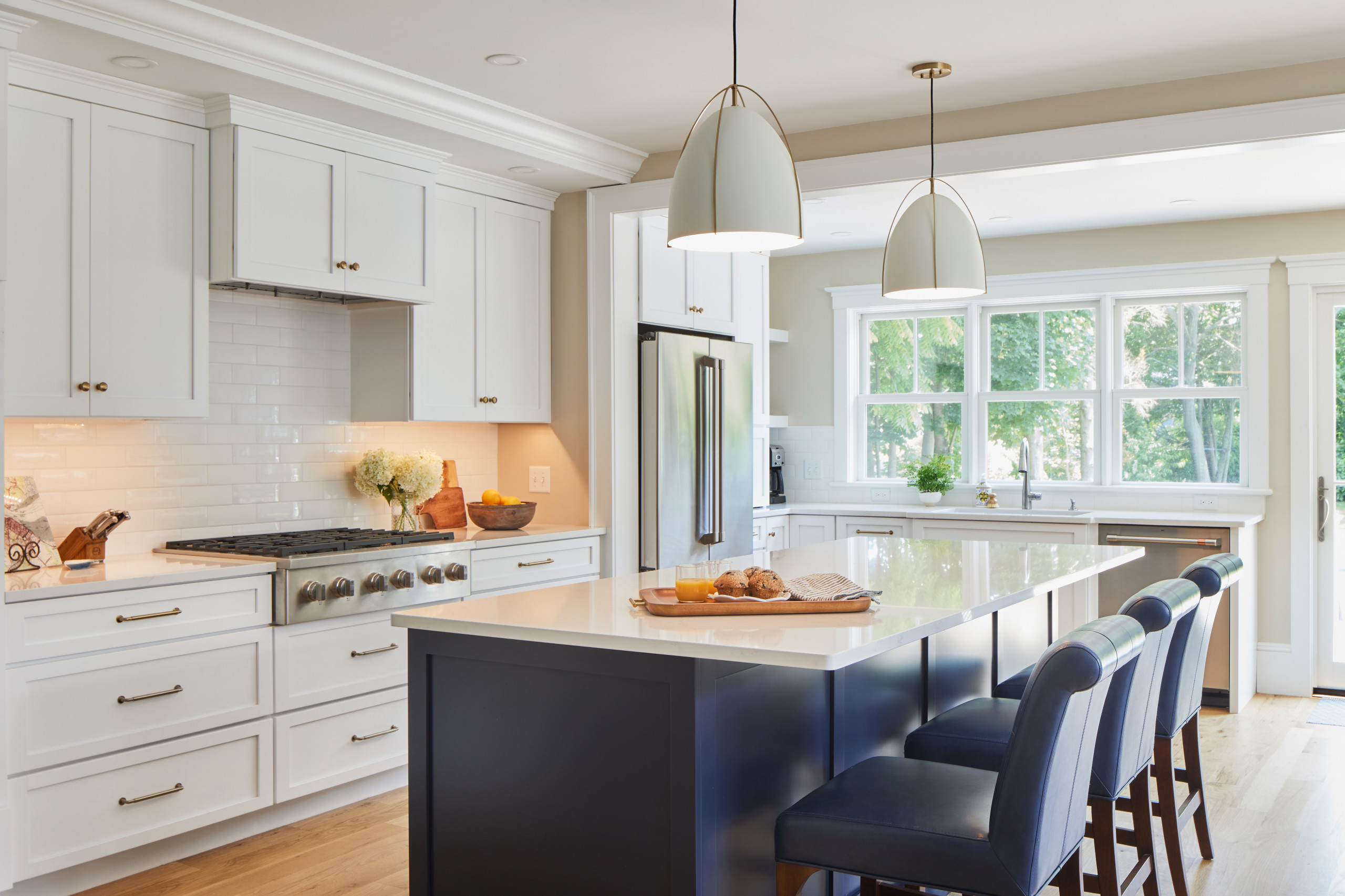
Choosing the Right Cabinet Style for a Modern Kitchen Look
Your kitchen says a lot about your home. And nothing shapes that first impression more than your cabinets. They take up the most visual space in any kitchen. So getting the style right really matters.
If you’re planning a kitchen update, you’ve probably already felt overwhelmed. There are so many options out there. But don’t worry this guide will walk you through everything in plain, simple terms.
Whether you’re starting from scratch or just refreshing an older kitchen, one style keeps coming up in modern design again and again. The styles cabinet is clean, minimal, and incredibly versatile. It fits almost any home from a Dublin, OH ranch house to a high-rise in the Short North.
Let’s break down your options and help you make a confident choice.
What Makes a Kitchen Look Modern
Modern kitchens share a few common traits. Think clean lines, no fussy details, and a calm, organized feel. The goal is to function with beauty.
Modern doesn’t mean cold or sterile. It can be warm and inviting. The key is avoiding heavy ornamentation.
Here’s what modern kitchens typically have:
- Minimal hardware or none at all
- Flat or recessed door profiles
- Neutral or bold solid colors
- Integrated appliances
- Open, breathable layouts
When you keep those principles in mind, cabinet shopping becomes a lot easier.
The Most Popular Cabinet Styles for Modern Kitchens
Flat-Panel Cabinets
This is the gold standard for modern kitchens. A flat panel cabinet has no raised frames or decorative edges. Just a smooth, uninterrupted door face.
It’s simple. It’s timeless. And it photographs beautifully.
These cabinets work in almost every finish: matte white, charcoal, walnut veneer, even deep navy. They pair perfectly with modern hardware or no hardware at all. If you’re going for a sleek, polished look, this is your starting point.
They’re also easier to clean than detailed profiles. No grooves, no ridges, no dirt traps. That’s a practical win for busy households.
Practical Tip: If you want a truly seamless look, go with push-to-open hardware instead of handles. It keeps the surface completely flat.
Shaker Cabinets
Shaker cabinets have a simple recessed panel framed by flat rails and stiles. They’re a step away from ultra-modern but they can lean modern with the right choices.
The trick is in the finish. A shaker door in bright white or soft sage looks traditional. That same door in matte black or warm gray? Suddenly it feels very contemporary.
Shaker works well for homeowners who want a transitional feel. Not too stark, not too ornate. It’s a safe middle ground that holds up over time.
Practical Tip: Pair shaker cabinets with minimal bar-pull hardware and a solid quartz countertop. That combination reads as clean and modern without feeling cold.
Frameless Cabinets
Frameless cabinets are built differently from the inside out. There’s no face frame around the cabinet box. The doors attach directly to the sides.
This gives you more interior storage space. And it creates a flush, built-in look on the exterior. Every door sits right next to the next one with almost no gap.
It’s a popular choice for open-plan kitchens. The clean sightlines help the whole space feel larger and more connected.
Practical Tip: Frameless cabinets require precise installation. Don’t cut corners on the installer it’s worth paying for experience.
Open Shelving
Open shelves aren’t technically cabinets. But they’ve become a major design element in modern kitchens.
They work best when mixed with closed cabinetry. Too much open shelving becomes cluttered fast. But a few well-styled shelves can add warmth and personality.
If you have nice dishware or plants you want to display, this is a great option. If you’re not an organized person skip it. Open shelving shows everything.
Practical Tip: Use open shelves above the counter and closed cabinets below. That balance keeps things looking clean while giving you hidden storage.
Choosing a Finish and Color
Color is where your kitchen gets its personality. Modern kitchens don’t have to be all-white. That trend has evolved.
Here are some popular modern color directions right now:
- Warm whites and off-whites still classic, always fresh
- Sage green and muted olive earthy and popular in 2025
- Charcoal and matte black bold and dramatic
- Natural wood tones adds warmth without going rustic
- Deep navy or forest green striking on lower cabinets
For finishes, matte is where modern design lives. High-gloss cabinets have a place, but they show fingerprints more and can feel dated if overdone.
Two-tone kitchens are another strong option. Dark lower cabinets with lighter uppers creates contrast without feeling overwhelming. It also visually grounds the space.
Hardware: Less Is Always More
Modern kitchens use hardware as an accent not a statement. The rule here is simple: choose one finish and stick with it.
Matte black is everywhere right now. It works with white, gray, wood tones, and navy. Brushed nickel and warm brass are close seconds.
If you want the cleanest look, skip hardware altogether. Push-to-open mechanisms give you a completely seamless cabinet face. It’s a bold choice but very effective.
Bar pulls and simple D-pulls also read as modern. Avoid ornate knobs or anything with decorative engraving.
Practical Tip: If you can’t decide between hardware finishes, pick whichever matches your faucet. Consistent metal tones make a kitchen feel intentional.
Material Matters More Than You Think
The material your cabinets are made from affects durability, look, and price. Here’s a quick breakdown:
Solid wood is beautiful and repairable. It’s also the most expensive. It can expand and contract with humidity, something to consider in Columbus, Ohio, where seasons are dramatic.
MDF (medium-density fiberboard) is great for painted cabinets. It stays smooth and doesn’t warp as much as solid wood. Most flat-panel cabinets are MDF.
Plywood box construction is stronger than particle board for the cabinet carcass. Ask your supplier what the box is made from, not just the door.
High-gloss acrylic is sleek and modern but scratches more easily. Keep it away from high-traffic areas if you choose it.
Layout Tips for a Modern Kitchen
How your cabinets are arranged affects both function and style. Here’s what works well in modern kitchens:
Floor-to-ceiling cabinetry is a dramatic move that reads as high-end. It eliminates the dusty space above upper cabinets and makes ceilings feel taller.
Integrated appliances hide your fridge and dishwasher behind matching cabinet panels. It makes the whole kitchen look unified.
Island cabinets can have a different finish than your perimeter cabinets. A wood-toned island against white perimeter cabinets is a classic modern combination.
Upper vs. lower balance matters too. Going heavy on lower cabinets and keeping uppers minimal (or removing them entirely) is a contemporary trend worth considering.
Matching Your Style to Your Home
This is where local context matters. A Dublin, Ohio home with a traditional brick exterior might call for a softer, transitional approach. A newer build near downtown Columbus with an open floor plan is a natural fit for something bolder.
For homeowners in Dublin and across the Columbus metro, working with someone who understands local architecture and lifestyle is genuinely helpful. That’s why finding a trusted provider of kitchen cabinets in Columbus makes a real difference. They know what works in these homes, they’ve seen the pitfalls, and they can help you avoid costly mistakes.
Local expertise means faster timelines, better sourcing relationships, and someone you can actually call when you have questions. That has real value.
Budget Planning: Where to Spend, Where to Save
Cabinet costs vary widely. Here’s a general breakdown:
Stock cabinets are pre-made and the most affordable. They come in standard sizes. Great for budget renovations.
Semi-custom cabinets offer more finish and size options. They hit a sweet spot between price and personalization.
Custom cabinets are built to your exact specs. Best for unusual spaces or high-end builds.
Where to spend more: cabinet boxes (go for plywood over particle board) and hardware (cheap hardware shows quickly). Where you can save: upper cabinet interiors (nobody sees inside), and simple flat doors over detailed profiles.
Mistakes to Avoid
Even well-intentioned kitchen projects go sideways. Here are the most common mistakes:
Over-accessorizing. Modern kitchens breathe. Don’t fill every inch with decor.
Ignoring function. Beautiful cabinets that don’t organize your life well aren’t worth it. Think about your actual daily habits.
Chasing trends over timelessness. Some trends age poorly. Flat-panel and shaker styles have been around for decades for good reason.
Bad lighting. The best cabinets in the world look flat without proper lighting. Under-cabinet LEDs and good overhead lighting are non-negotiable.
Skimping on installation. Cabinets are only as good as the person hanging them. Poor installation ruins great cabinets.
Final Thoughts
Choosing the right cabinet style doesn’t have to be complicated. Start with your lifestyle. Think about how you actually use your kitchen every day. Then match a style to that reality.
Flat-panel cabinets are a great starting point for most modern homes. They’re clean, durable, and endlessly customizable. From there, it’s about the right color, the right hardware, and the right installer.
If you’re in the Dublin or Columbus, OH area, take the time to visit a local showroom. See the finishes in person. Hold the hardware. Ask real questions. That in-person experience will tell you more than any image online.
Your kitchen is worth getting right. Take your time, do your research, and you’ll end up with something you genuinely love.