
Timing Belt Mini Cooper: Understanding Timing Chain Replacement, Costs, and Warning Signs
Mini Cooper models have built a strong reputation for delivering a unique driving experience, compact design, and responsive performance. However, like any vehicle, they require regular maintenance to remain reliable over the long term. One of the most discussed maintenance topics among Mini owners is the timing belt Mini Cooper issue, particularly because many Mini models actually use a timing chain rather than a traditional timing belt.
Understanding how the timing system works, when replacement may be needed, and what warning signs to watch for can help owners avoid expensive engine repairs and unexpected breakdowns.
How the Mini Cooper Timing System Works
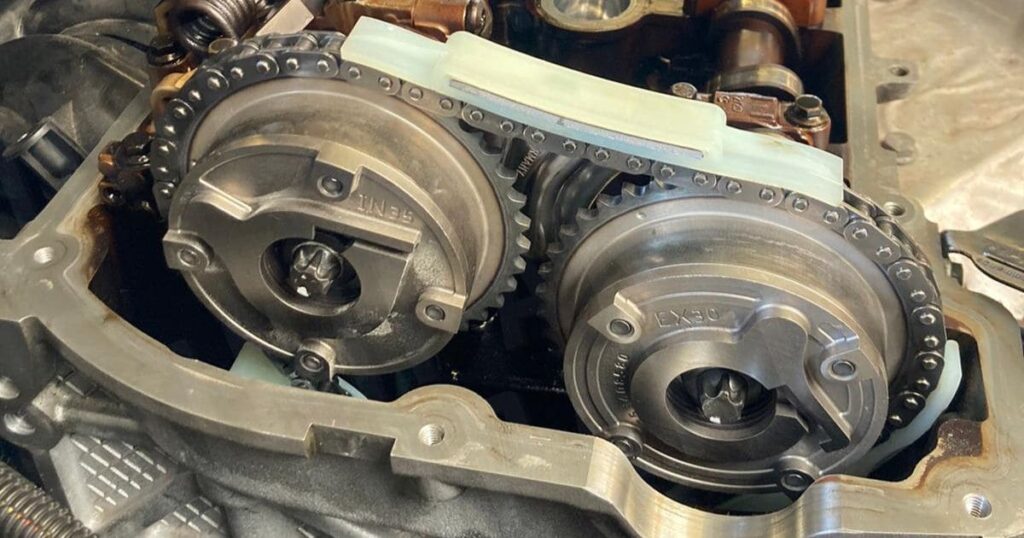
Many drivers use the terms timing belt and timing chain interchangeably, but they are different components. Most modern Mini Cooper vehicles are equipped with a timing chain, which connects the crankshaft and camshaft, ensuring engine valves open and close at precisely the right moments.
Unlike rubber timing belts found in some vehicles, timing chains are constructed from metal and are generally designed to last longer. However, they are not maintenance-free. Over time, wear can occur in the chain, guides, tensioners, and associated components.
For this reason, discussions around mini timing chain replacement have become increasingly common among owners of older Mini Cooper models.
Timing Belt Mini Cooper: Common Problems and Symptoms
Although timing chains are built for durability, several issues can develop as mileage increases. Problems often begin gradually and may not immediately affect everyday driving.
Common symptoms include:
- Rattling noises during engine start-up
- Engine misfires
- Reduced fuel efficiency
- Check Engine warning lights
- Rough idling
- Loss of engine performance
One of the most frequently reported issues is a metallic rattling sound from the engine bay, especially during cold starts. This noise often indicates wear in the chain tensioner or timing chain assembly.
Ignoring these early warning signs can allow the problem to worsen, potentially leading to severe engine damage if the chain slips or stretches beyond acceptable limits.
When Is Mini Cooper Timing Chain Replacement Necessary?
There is no universal replacement interval for every Mini model. Some timing chains can last well beyond 100,000 miles, while others may require attention sooner due to driving conditions, maintenance history, or manufacturing variations.
A professional inspection is often recommended when owners notice unusual engine noises or performance changes.
In many cases, a mini cooper timing chain replacement becomes necessary when diagnostic testing confirms excessive chain stretch or wear in related components. Mechanics typically inspect:
- Timing chain condition
- Chain guides
- Hydraulic tensioner
- Camshaft timing accuracy
- Oil quality and service history
Poor oil maintenance is a major contributing factor to premature timing chain wear. Clean engine oil helps lubricate the chain and tensioning system, reducing friction and extending component life.
Mini Cooper S Timing Chain Replacement Considerations
Performance-oriented models often place greater demands on engine components. As a result, owners frequently research mini cooper s timing chain replacement requirements, particularly for turbocharged variants.
The Mini Cooper S uses a more powerful engine configuration that can experience timing chain-related wear if maintenance schedules are neglected. While many vehicles operate trouble-free for years, some owners report chain stretch, guide wear, or tensioner failures as mileage accumulates.
A complete timing chain replacement Mini Cooper S procedure typically involves replacing:
- Timing chain
- Chain guides
- Chain tensioner
- Associated seals and gaskets
- Engine oil and filter
Replacing all related components together is generally considered best practice because worn guides or tensioners can reduce the lifespan of a newly installed chain.
Automotive specialists often recommend addressing timing chain concerns promptly rather than waiting for complete failure.
Understanding Mini Cooper Timing Belt Replacement Cost
One of the most common questions from owners involves the mini cooper timing belt replacement cost, even though many models use timing chains instead of belts.
Replacement costs can vary significantly across the UK depending on:
- Vehicle model and year
- Engine type
- Labour rates
- Parts quality
- Extent of related repairs
Timing chain replacement is generally more labour-intensive than replacing a traditional timing belt. Accessing the chain often requires partial engine disassembly, which contributes to higher repair costs.
For example, if a worn tensioner is identified early, repair expenses may remain relatively manageable. However, if chain wear progresses and damages internal engine components, repair costs can increase substantially.
Vehicle owners who maintain regular servicing schedules often reduce the likelihood of facing major timing system failures.
Preventing Premature Timing Chain Wear
While timing chains are designed for long-term durability, certain maintenance habits can significantly improve their lifespan.
Helpful preventative measures include:
Follow Oil Change Intervals
Engine oil plays a critical role in timing chain lubrication. Delayed oil changes can increase wear throughout the timing system.
Use Quality Engine Oil
Using oil that meets manufacturer specifications helps ensure proper lubrication and tensioner operation.
Investigate Unusual Noises Early
A brief rattle during start-up may seem harmless, but it can indicate the beginning of a larger problem.
Schedule Regular Inspections
Periodic inspections can identify wear before it develops into a major mechanical issue.
Avoid Ignoring Warning Lights
Modern Mini Cooper vehicles monitor engine timing through sophisticated sensors. Diagnostic trouble codes can often reveal developing timing chain problems before severe damage occurs.
Industry professionals, including technicians at S&M Auto Service, frequently emphasise that early diagnosis is often the most effective way to avoid costly repairs associated with timing chain failure.
Why Timing Chain Health Matters
The timing system is one of the most important components in any engine. Even minor timing inaccuracies can affect performance, fuel economy, and emissions.
When a timing chain becomes excessively stretched, valve timing can drift out of specification. In severe cases, piston-to-valve contact may occur, resulting in significant engine damage.
This is why experienced technicians view timing chain concerns as a maintenance issue that deserves attention rather than postponement.
Understanding the signs of wear and responding promptly can help preserve engine reliability and reduce long-term ownership costs.
Conclusion
The topic of timing belt Mini Cooper maintenance often leads owners to discover that many Mini models rely on timing chains rather than traditional belts. While these chains are designed for durability, they are still subject to wear over time.
Recognising early warning signs, maintaining proper oil service intervals, and addressing potential issues before they escalate can help protect engine performance and longevity. Whether researching mini timing chain replacement, evaluating a mini cooper timing chain replacement, or learning about mini cooper s timing chain replacement requirements, informed maintenance decisions remain one of the most effective ways to keep a Mini Cooper running smoothly for years to come.