
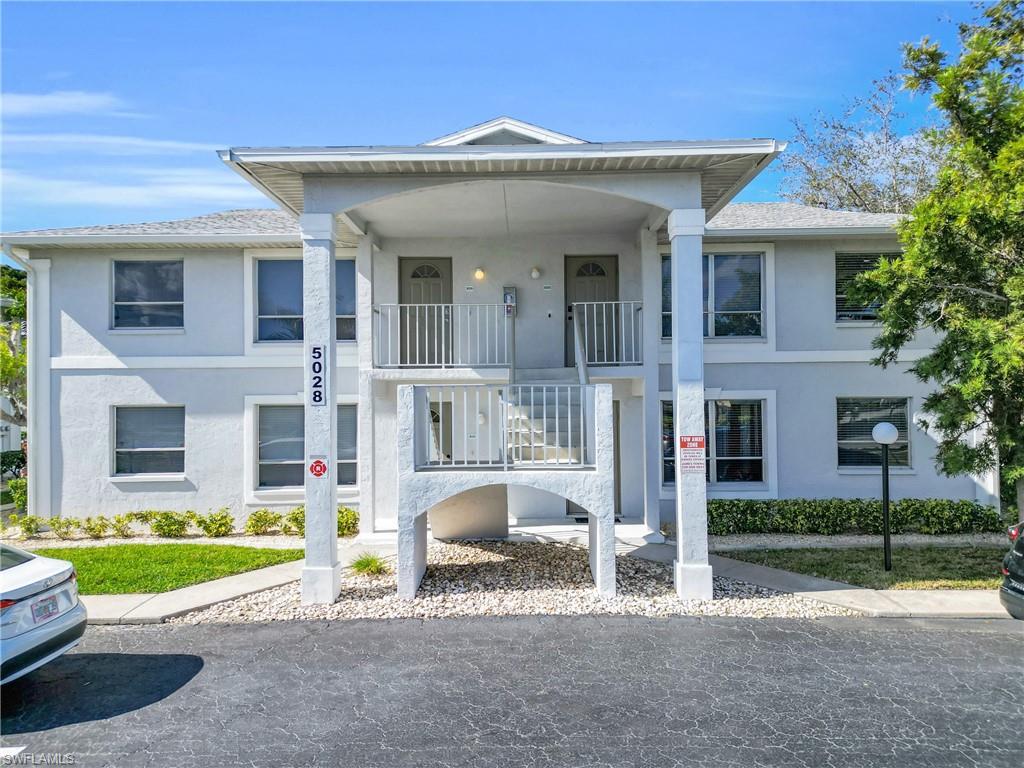
Retiring in Homes in Fort Myers Beach: Cost of Living, Healthcare Access, and Community Fit
A quiet morning along Florida’s Gulf Coast carries a distinct rhythm, soft waves meeting shoreline, early sunlight reflecting off calm water, and neighborhoods slowly coming to life with walkers, cyclists, and retirees settling into the day’s pace. For many planning their retirement, this rhythm is not just scenery; it is a lifestyle decision.
Among the most discussed destinations for retirement living, Fort Myers Beach and nearby Cape Coral continue to draw attention for their coastal charm, healthcare infrastructure, and long-term livability. Yet choosing between these areas is less about postcard views and more about practical realities – cost, care access, and community alignment.
This is where a closer, grounded look becomes essential.
The Retirement Appeal of Fort Myers Beach
The lifestyle associated with Fort Myers Beach has long been defined by its waterfront access, walkable island environment, and relaxed pace. However, retirement here is not just about scenery—it is about how daily life functions.
The demand for homes in Fort Myers Beach has historically been driven by three factors:
- Direct access to Gulf Coast beaches.
- A strong seasonal and retiree population.
- A compact, community-centered layout.
This creates a unique residential environment where convenience and leisure blend. Many retirees prioritize walkability, reduced commute needs, and access to coastal recreation—all of which the area supports naturally.
However, it is also important to note that island-based living often comes with higher property values and insurance considerations, particularly due to coastal exposure and hurricane risk factors. This makes financial planning a key part of the decision-making process.
Cost of Living: What Retirees Should Expect
Cost of living is one of the most decisive factors in retirement relocation. In Fort Myers Beach, expenses typically fall into three categories: housing, insurance, and daily living.
Housing Costs
Real estate in the area tends to be premium-priced due to limited land availability and high demand for waterfront or near-water properties. Even modest properties near the beach can carry elevated price tags compared to inland Florida markets.
Insurance and Maintenance
Coastal homes often require:
- Higher homeowners insurance premiums.
- Flood insurance coverage.
- Ongoing maintenance due to salt air exposure.
These costs can significantly influence long-term affordability, even when property values remain strong.
Everyday Expenses
Groceries, healthcare co-pays, and transportation costs remain relatively aligned with national averages, but seasonal population increases can impact service pricing and availability during peak months.
For retirees evaluating homes in Fort Myers Beach, the financial picture is best understood as a trade-off: higher living costs balanced by high lifestyle value and coastal access.
A Nearby Alternative: Cape Coral’s Waterfront Lifestyle
Just inland from Fort Myers Beach lies a different but closely related retirement environment: Cape Coral.
Unlike the compact island setting, Cape Coral is structured around an extensive canal system, making waterfront living far more accessible at varied price points. The region is particularly known for Cape Coral waterfront homes, which offer:
- Private dock access in many neighborhoods.
- Larger lot sizes compared to beach island properties.
- A more suburban residential layout.
- Generally lower entry costs than beachfront real estate.
This creates a different retirement profile. While Fort Myers Beach emphasizes proximity to sand and tourism energy, Cape Coral emphasizes space, privacy, and residential stability.
For retirees, the decision often comes down to whether they prefer immersive coastal living or a more spread-out waterfront environment.
Healthcare Access: A Critical Retirement Factor
Healthcare accessibility is a non-negotiable component of retirement planning. Fortunately, both Fort Myers Beach and Cape Coral benefit from proximity to a strong regional medical network centered in Lee County.
Key healthcare considerations include:
Hospital Access
Residents typically rely on nearby facilities in Fort Myers and Cape Coral, which offer:
- Emergency care services.
- Specialized cardiac and orthopedic departments.
- Rehabilitation and senior-focused care programs.
Primary Care Availability
Both areas have a strong presence of primary care physicians, though appointment availability can tighten during seasonal population peaks.
Specialized Senior Care
Retirees increasingly prioritize access to:
- Geriatric care specialists.
- Physical therapy and rehabilitation centers.
- Home healthcare services.
In this regard, Cape Coral often has a slight advantage due to its larger year-round population base, which supports more consistent healthcare staffing and infrastructure.
However, Fort Myers Beach residents are still within reasonable driving distance of major hospitals, making access manageable even for more complex medical needs.
Community Fit: Lifestyle, Culture, and Social Environment
Retirement is not solely a financial or medical decision—it is also deeply social. Community fit often determines long-term satisfaction more than any other factor.
Fort Myers Beach Community Profile
The social environment in Fort Myers Beach is shaped by:
- A strong seasonal tourism cycle.
- A mix of retirees and vacation homeowners.
- Active outdoor-oriented lifestyles.
This creates a lively but fluctuating atmosphere. During peak seasons, the area is energetic and social; during off-season periods, it becomes quieter and more residential.
For retirees who enjoy social engagement, beach activities, and a vacation-like rhythm, this can be highly appealing.
Cape Coral Community Profile
In contrast, Cape Coral offers a more stable, year-round residential community. The presence of Cape Coral waterfront homes contributes to a lifestyle centered around boating, fishing, and neighborhood-based living.
Key characteristics include:
- Consistent population throughout the year.
- Strong neighborhood associations.
- Family-oriented and retiree-balanced demographics.
This environment tends to suit retirees seeking predictability, long-term neighbors, and structured community engagement.
Infrastructure, Mobility, and Daily Convenience
Mobility and infrastructure play a subtle but important role in retirement comfort.
Fort Myers Beach is compact, which reduces the need for long commutes but also limits retail and service availability on the island itself. Many residents travel to mainland Fort Myers for larger shopping, healthcare, and entertainment options.
Cape Coral, on the other hand, is larger and more self-contained. Its road network and commercial zones allow retirees to access most daily necessities within city limits, reducing dependency on travel.
This distinction often becomes more important over time as mobility preferences change with age.
Climate and Environmental Considerations
Both areas share Southwest Florida’s subtropical climate, characterized by warm temperatures year-round and a distinct hurricane season.
Key considerations include:
- Coastal storm exposure (higher in Fort Myers Beach).
- Flood zone classifications impacting insurance costs.
- Heat and humidity management for older residents.
Retirees often weigh these environmental factors heavily, particularly when evaluating long-term property resilience and maintenance demands.
Choosing Between Lifestyle Priorities
Ultimately, retirement in this region is not about a single “best” choice but about alignment of priorities:
- If the goal is immediate beach access, walkability, and a resort-style atmosphere, homes in Fort Myers Beach offer a compelling lifestyle despite higher costs.
- If the goal is space, stability, and broader affordability with waterfront living, Cape Coral waterfront homes present a strong alternative.
Both communities offer strong retiree appeal, but they serve different lifestyle philosophies.
Final Perspective
Retirement is a long-term transition, not a short-term relocation. The decision between Fort Myers Beach and Cape Coral reflects more than geography, it reflects how daily life is structured, how healthcare is accessed, and how community is experienced over time.
Fort Myers Beach offers a concentrated coastal lifestyle shaped by energy, proximity, and oceanfront living. Cape Coral provides a more expansive, residential approach to waterfront living with greater structural consistency.
For retirees, clarity comes not from choosing the most popular destination, but from identifying which environment best supports health, financial stability, and personal rhythm in the years ahead.