
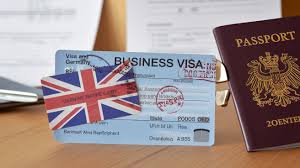
European Business Visa: Financial Requirements Explained
Quick answer: To qualify for a European business visa, applicants typically need to show proof of sufficient funds, usually between €3,000 and €10,000 depending on the country, along with bank statements, a business plan, and proof of financial ties to their home country. Requirements vary by destination and visa type.
Planning to take your career or business to Europe? It’s exciting! But before you pack your bags, there’s one thing you absolutely need to get right, the financial requirements. Whether you’re hoping to study in European countries or work in Bulgaria specifically, meeting the financial criteria is often what makes or breaks your visa application.
This guide breaks it all down in simple terms. We’ll cover what documents you need, how much money is typically required, and some helpful tips to strengthen your application. Let’s get into it!
What Does “Financial Requirements” Mean for a European Business Visa?
When embassies and immigration offices talk about financial requirements, they’re asking one key question: Can you support yourself financially while you’re in Europe?
They don’t want visitors or business travelers becoming a financial burden on the host country. So they check whether you have enough money saved up, whether your business has real financial backing, and whether you’re likely to return home after your visa expires.
Depending on your destination, whether that’s Germany, France, Italy, or Bulgaria, the specifics will differ. But the core concept stays the same across the Schengen area and EU member states.
How Much Money Do You Typically Need to Show for a European Business Visa?
Here’s where things get practical. Most European countries follow Schengen visa guidelines, which recommend applicants prove access to approximately €45–€95 per day of their planned stay. For a 30-day business trip, that could mean showing anywhere between €1,350 and €2,850.
However, long-stay business visas or entrepreneur visas often require significantly more. Some countries ask for:
- €3,000–€5,000 in personal savings (liquid funds)
- €10,000 or more if you’re applying as a startup founder or self-employed professional
- Proof of business revenue or investment capital for company-based applications
If you’re applying to work in Bulgaria on a business or work visa, the Bulgarian Ministry of Interior typically requires proof of a minimum monthly income sufficient to cover living expenses, generally around BGN 1,500–2,500 per month (approximately €750–€1,250), depending on the visa category.
What Financial Documents Do You Need to Submit?
Getting your paperwork in order is half the battle. Here’s a list of documents most European embassies will ask for:
1. Bank Statements
Provide bank statements from the last 3 to 6 months. They should clearly show a consistent balance, not a sudden large deposit right before your application, which raises red flags.
2. Proof of Employment or Business Ownership
This could be a recent salary slip, a business registration certificate, or an audited financial report for your company.
3. Business Plan (for Entrepreneur Visas)
If you’re starting a business in Europe, a clear and detailed business plan showing projected revenue and financial sustainability is usually required.
4. Sponsorship Letter (if applicable)
If a European company is inviting you for business purposes, a sponsorship or invitation letter outlining their financial responsibility can support your application.
5. Tax Returns
Recent income tax returns demonstrate long-term financial stability. Some countries require the last 1–2 years of tax filings.
6. Proof of Accommodation and Return Ticket
While not purely financial, showing that your accommodation is prepaid and that you have a return flight booked signals financial responsibility.
What Are the Financial Requirements If You Want to Study in European Countries?
Great question! Studying in Europe is a dream for many, and a student visa has its own set of financial requirements, but they’re closely related to business visa criteria.
Most European countries require student visa applicants to prove they can cover:
- Tuition fees (can range from €0 in Germany to €15,000+ per year in private institutions)
- Monthly living costs, usually between €700–€1,200 per month, depending on the city
- Health insurance coverage for the duration of the study period
Countries like Germany, France, the Netherlands, and Spain often ask students to deposit funds into a blocked account. Germany, for instance, requires a blocked account with approximately €11,208 per year (as of recent guidelines). This money can only be accessed in monthly installments once you arrive.
Bulgaria is an increasingly popular and affordable destination to study in European countries. Living costs are among the lowest in the EU, and many universities offer programs in English. Student visa applicants for Bulgaria generally need to show proof of €3,000–€5,000 for the first year, alongside an enrollment letter from an accredited institution.
Helpful Tips to Strengthen Your Financial Application
Here are some practical tips that can genuinely improve your chances of approval:
- Keep your bank balance steady. A consistent balance over several months is far more convincing than a sudden top-up before applying.
- Avoid mixing personal and business funds. Separate statements are cleaner and easier for immigration officers to assess.
- Get documents officially translated. If your statements are not in English or the local language, get them certified translated.
- Show ties to your home country. Owning property, having dependents, or holding a permanent job back home reassures the embassy that you’ll return.
- Don’t underestimate health insurance. Many visa rejections happen because applicants forget to include proof of adequate coverage.
LSI Keywords to Know in This Space
Understanding the terminology around European visas helps you search smarter and research deeper. Key related terms include: Schengen visa financial proof, EU entrepreneur visa requirements, Bulgaria work permit documents, self-employed visa Europe, and European student visa bank requirements.
Frequently Asked Questions
Q: Can I use a sponsor’s bank statement instead of my own?
Yes, many European embassies accept a financial sponsor’s bank statements, provided you also submit a notarized sponsorship letter and proof of your relationship with the sponsor.
Q: Does Bulgaria require a separate work permit from a business visa?
Yes. To work in Bulgaria long-term, you typically need both a work permit issued by the Bulgarian Employment Agency and a residence permit. A short-stay business visa (Type C) does not authorize employment.
Q: How far back should my bank statements go?
Most embassies request the last 3 to 6 months of statements. Always check the specific requirements of the country you’re applying to.
Q: What happens if I don’t meet the financial requirements?
Your visa application may be denied. In some cases, providing additional documentation, like a sponsorship letter or investment proof, can help offset a lower personal balance.
Q: Is there a minimum balance required on the day of application?
Not always, but your balance should be sufficient to cover your planned stay. A consistently healthy account history is more important than a single-day snapshot.
Final Words: Prepare Well and Apply with Confidence!
Navigating the financial requirements for a European business visa doesn’t have to feel overwhelming. Once you understand what the embassies are looking for, consistent funds, solid documentation, and a credible financial story, it becomes a checklist you can actually work through!
Whether you’re looking to study in European countries, launch a business in the Schengen zone, or work in Bulgaria, the key is preparation. Start gathering your documents early, keep your finances organized, and don’t hesitate to consult a visa advisor if you’re unsure about specific country requirements.
Europe is waiting, and with the right financial groundwork, your visa application will be ready too!