
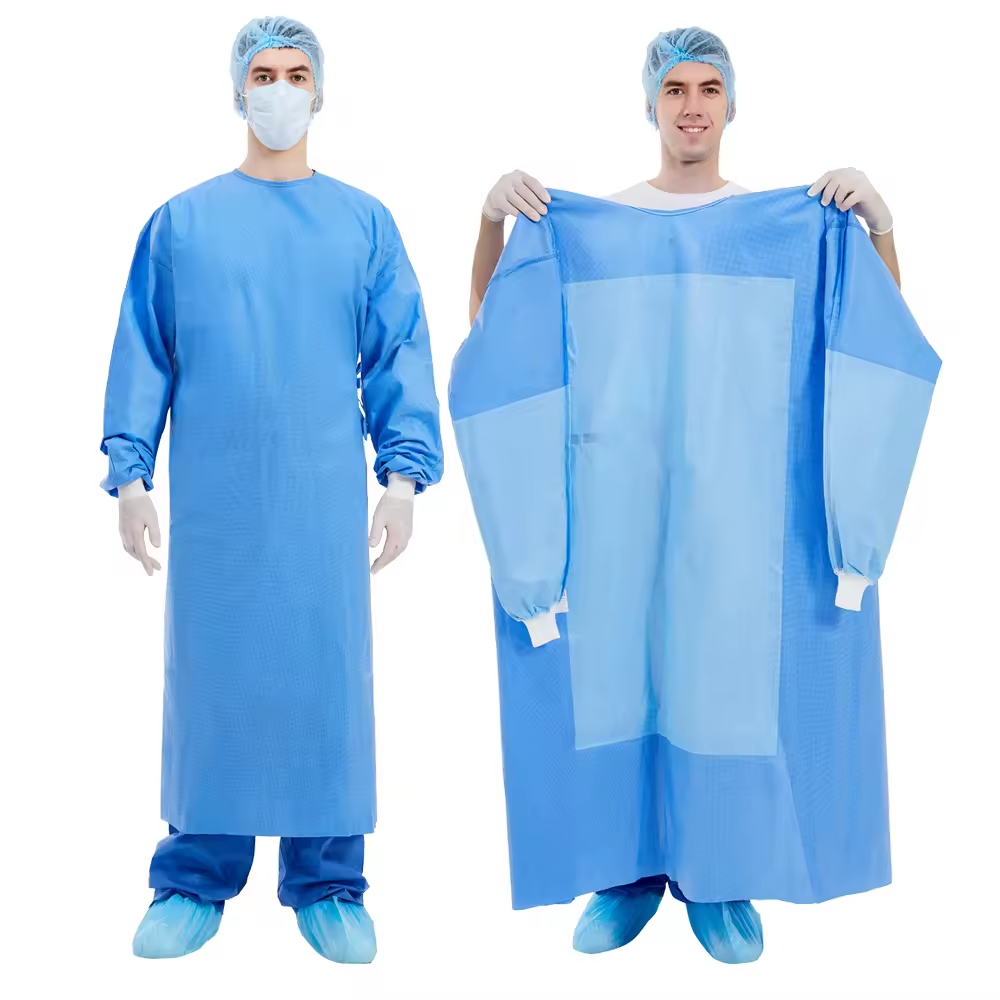
Surgical Scrubs: Why Quality Clinical Apparel Matters in Modern Healthcare
Healthcare professionals work in environments where hygiene, comfort, and functionality are essential. Among the most recognizable pieces of medical attire are surgical scrubs, which have become a standard uniform across hospitals, surgical centres, clinics, and other healthcare facilities. While scrubs may appear simple, their design and quality play an important role in supporting healthcare workers throughout long shifts and demanding clinical tasks.
In Australia, healthcare organisations continue to place greater emphasis on workplace safety, infection prevention, and staff wellbeing. As a result, the selection of appropriate medical uniforms has evolved beyond appearance alone. Modern scrubs are expected to provide durability, comfort, mobility, and compliance with professional healthcare standards.
The Purpose of Surgical Scrubs in Healthcare Settings
The primary purpose of surgical scrubs is to help maintain a clean clinical environment while providing practical workwear for healthcare professionals. Traditionally worn by surgical teams, scrubs are now commonly used by nurses, doctors, allied health practitioners, aged care workers, veterinary staff, and medical students.
Scrubs are designed to minimise contamination risks by offering a simple garment that can be easily cleaned and replaced. Unlike everyday clothing, medical scrubs are manufactured specifically for healthcare environments where exposure to bodily fluids, contaminants, and frequent laundering is common.
In addition to infection control considerations, scrubs allow healthcare teams to move efficiently throughout their workday. Their lightweight construction and functional design support mobility during patient care, clinical procedures, and emergency situations.
Key Features of High-Quality Medical Scrubs
Not all scrubs are created equally. The quality of fabric, stitching, and garment construction can significantly affect comfort and performance during long shifts.
Some important features healthcare professionals often look for include:
- Breathable fabric that promotes airflow
- Moisture management for improved comfort
- Durable stitching for repeated industrial washing
- Stretch materials that support movement
- Functional pockets for carrying essential tools
- Easy-care fabrics that resist wrinkles and fading
For example, nurses working twelve-hour shifts often require uniforms that remain comfortable throughout the day while maintaining a professional appearance. Similarly, surgical staff frequently need garments that withstand intensive cleaning processes without losing shape or colour.
How Fabric Choice Influences Performance
Fabric selection is one of the most important considerations when choosing healthcare uniforms. Modern manufacturers use a variety of textile blends designed to balance comfort, durability, and practicality.
Cotton-rich fabrics are valued for softness and breathability. Polyester blends, on the other hand, offer enhanced durability and resistance to shrinkage. Many contemporary scrub collections incorporate stretch fibres that improve flexibility during physical tasks.
Healthcare professionals in Australia’s warmer regions may particularly benefit from lightweight, breathable materials that help regulate body temperature. In fast-paced clinical environments, maintaining comfort can contribute to better concentration and reduced workplace fatigue.
Brands such as Wash n Wear have contributed to the growing focus on practical healthcare apparel by offering uniforms designed for regular professional use while meeting the comfort expectations of modern healthcare workers.
The Growing Importance of Comfort and Ergonomics
Healthcare professionals spend much of their working day standing, walking, bending, lifting, and assisting patients. Because of these physical demands, ergonomic clothing design has become increasingly important.
Modern medical uniforms often incorporate:
- Stretch side panels
- Athletic-inspired cuts
- Adjustable waistbands
- Flexible shoulder construction
- Lightweight performance fabrics
These features help reduce restrictions during movement and support overall workplace comfort. While clothing alone cannot eliminate physical strain, thoughtfully designed uniforms can contribute to a more comfortable working experience.
Research across workplace industries consistently demonstrates that employee comfort influences productivity, satisfaction, and overall job performance. Healthcare settings are no exception.
Choosing the Right Healthcare Uniform for Different Roles
Different healthcare specialties often have unique clothing requirements. Understanding these needs can help organisations and individuals make informed uniform choices.
Hospital and Surgical Teams
Surgeons, operating theatre nurses, and surgical assistants typically require scrubs that meet strict hygiene standards while remaining comfortable during lengthy procedures.
Nursing Professionals
Nurses often prioritise durability, storage capacity, and freedom of movement due to the diverse nature of their daily responsibilities.
Aged Care Workers
Aged care professionals frequently assist with mobility and personal care tasks. Comfortable, easy-to-maintain uniforms can help support these physical duties.
Allied Health Practitioners
Physiotherapists, radiographers, and other allied health professionals may prefer scrubs that combine a professional appearance with practical functionality.
Regardless of specialty, selecting well-designed uniforms can help healthcare workers focus on patient care rather than clothing discomfort.
Sustainability and the Future of Medical Apparel
Sustainability has become an increasingly important topic across Australia’s healthcare sector. Hospitals and healthcare organisations are exploring ways to reduce environmental impact while maintaining strict safety and hygiene requirements.
This trend has influenced uniform manufacturing as well. Some apparel producers are incorporating recycled materials, improving fabric longevity, and adopting more sustainable production practices.
Long-lasting uniforms can help reduce textile waste by extending garment life and decreasing replacement frequency. As healthcare organisations continue prioritising sustainability, medical apparel manufacturers are likely to invest further in environmentally responsible materials and production methods.
The future of healthcare clothing will likely combine sustainability, comfort, performance, and infection-control considerations into a single solution that meets the evolving needs of healthcare professionals.
Conclusion
Surgical scrubs Australia have become an essential component of modern healthcare practice, serving purposes that extend far beyond simple workplace attire. From supporting hygiene standards to improving comfort during demanding shifts, quality scrubs play a valuable role in healthcare environments across Australia.
As clinical workplaces continue to evolve, healthcare professionals increasingly seek uniforms that deliver durability, functionality, and comfort without compromising professional standards. Understanding the factors that influence scrub performance helps organisations and individuals make informed choices that support both workplace efficiency and staff wellbeing.