
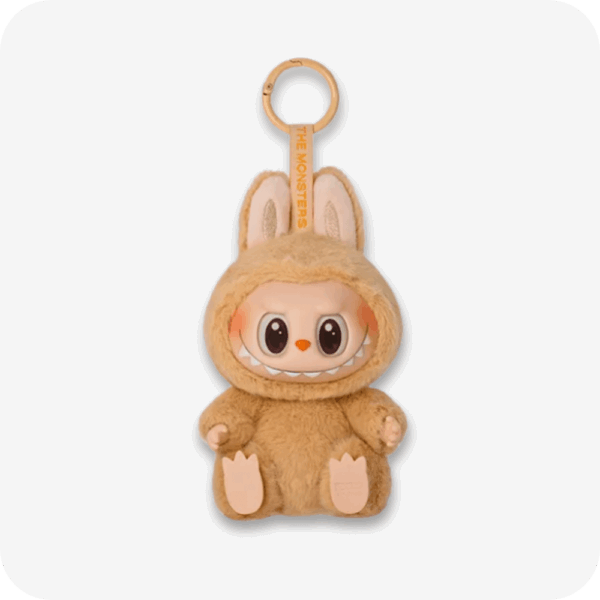
The Business Behind the Labubu Doll Success Story
The rise of Labubu dolls is often described as a cultural phenomenon, but behind the cute, mischievous character lies a highly strategic business model that has reshaped the designer toy industry. What appears on the surface as a collectible art toy trend is actually a carefully engineered ecosystem built on scarcity, emotional branding, retail innovation, and global expansion.
Created by artist Kasing Lung and commercialized through Pop Mart, Labubu’s success is not accidental. It is the result of a business strategy that understands modern consumer psychology better than most traditional toy companies.
The Foundation: Turning Art Into a Scalable Product
labubu originally began as an artistic character within “The Monsters” universe created by Kasing Lung. The key business breakthrough came when this character was transformed from illustration into a physical collectible product.
Pop Mart played a crucial role here. Instead of treating Labubu as a single product, the company developed it into a scalable collectible system. Each figure became part of a larger ecosystem of series, themes, and limited releases.
This shift from “art character” to “product platform” is the foundation of Labubu’s business success.
The Blind Box Business Model
One of the most powerful drivers of Labubu’s success is the blind box model.
In this system, customers purchase sealed boxes without knowing which specific figure they will receive. This creates uncertainty, excitement, and repeat purchasing behavior.
From a business perspective, blind boxes are extremely effective because they:
- Increase repeat purchases
- Encourage trading and collecting
- Reduce price sensitivity
- Create emotional engagement
- Drive social sharing
Instead of buying a single item, consumers enter a cycle of collecting, completing sets, and hunting rare figures.
This model transforms purchasing into an experience rather than a transaction.
Scarcity Engineering and Artificial Demand
Scarcity is one of the strongest forces in Labubu’s business strategy.
Many Labubu releases are intentionally limited in quantity or produced in seasonal drops. Some figures include rare “secret editions” with extremely low probabilities.
This scarcity creates:
- Immediate urgency during launches
- Secondary market price inflation
- Long-term collectible value
- Strong brand anticipation
From a business standpoint, scarcity is not a limitation—it is a feature. It ensures continuous demand and keeps the product cycle active.
Emotional Branding and Character Identity
Unlike https://labubu-llc.us/ traditional toy companies that focus on functionality or age-based targeting, Labubu relies heavily on emotional branding.
The character design by Kasing Lung is intentionally expressive. Labubu’s mischievous smile, unusual proportions, and whimsical personality create a strong emotional response.
This emotional connection turns customers into collectors. People do not simply buy Labubu because it is a toy—they buy it because they feel attached to the character.
This emotional loyalty is one of the most valuable assets in modern consumer markets.
Expansion Through Collectible Series
A major business strategy behind Labubu’s success is continuous product expansion.
Instead of relying on one design, Pop Mart releases Labubu in multiple themed series:
- Seasonal collections
- Fantasy variations
- Costume editions
- Collaboration series
- Special holiday releases
Each new series renews interest in the brand while keeping the core character consistent.
This strategy ensures that customers remain engaged over time rather than experiencing one-time purchase behavior.
Retail Strategy and Global Store Expansion
Pop Mart’s retail strategy has also played a key role in Labubu’s growth.
The company operates both physical stores and automated “roboshops” in malls and high-traffic locations. These stores are designed to maximize impulse buying and discovery.
Key retail advantages include:
- High visibility in shopping centers
- Easy accessibility for casual consumers
- Strong visual merchandising displays
- Instant gratification purchasing experience
By placing Labubu in both premium retail and everyday shopping environments, the brand reaches a wide demographic base.
The Role of Social Media Marketing
Labubu’s success cannot be separated from social media.
Platforms like TikTok, Instagram, and YouTube have turned Labubu into a viral collectible through:
- Unboxing videos
- Blind box reveals
- Rare figure hunts
- Collection showcases
- Trading content
This user-generated content acts as free marketing for the brand.
From a business perspective, this is extremely powerful because it reduces advertising costs while increasing organic reach.
Every collector becomes a marketer.
Secondary Market and Resale Economics
Another important part of the Labubu business ecosystem is the resale market.
Rare figures often appear on secondary platforms at significantly higher prices. This creates a sense of investment potential among collectors.
While the company does not directly control resale pricing, the existence of a strong secondary market:
- Increases perceived value
- Strengthens brand prestige
- Encourages faster purchasing during drops
- Builds long-term collector interest
The resale ecosystem reinforces the idea that Labubu is not just a toy—it is a collectible asset.
Cross-Cultural and Global Expansion
Labubu’s business success is also driven by its global adaptability.
Although created by Kasing Lung, the character resonates across multiple cultures due to its universal visual appeal.
Pop Mart has strategically expanded into international markets, including North America, Europe, and Southeast Asia.
This global approach transforms Labubu from a regional trend into a worldwide collectible brand.
Collaboration Strategy and Brand Partnerships
Collaborations are another key business pillar.
Labubu frequently appears in limited collaborations with artists, designers, and themed franchises. These collaborations:
- Introduce new audiences to the brand
- Create limited-edition hype cycles
- Strengthen cultural relevance
- Expand creative possibilities
Each collaboration acts as a marketing event, generating renewed attention and media coverage.
Community Building as a Business Asset
One of the most overlooked aspects of Labubu’s success is its community-driven ecosystem.
Collectors form:
- Online forums
- Social media groups
- Trading networks
- Collector events
This community engagement increases retention and repeat purchases.
From a business perspective, strong community ecosystems reduce customer churn and increase lifetime value.
Turning Collecting Into Entertainment
Labubu’s business model effectively turns collecting into entertainment.
Instead of simply buying a product, consumers experience:
- Surprise (blind boxes)
- Competition (rare hunting)
- Social interaction (trading)
- Storytelling (character universe)
This entertainment-first approach is a major reason for its success among younger consumers.
Conclusion
The success of Labubu is not just a creative achievement—it is a masterclass in modern consumer business strategy. Built by Kasing Lung and scaled by Pop Mart, the brand combines emotional storytelling with highly effective commercial systems.
Through blind box mechanics, scarcity engineering, global retail expansion, social media amplification, and strong community engagement, Labubu has become more than a toy—it is a global collectible economy.
At its core, the business behind Labubu proves a powerful idea: in modern markets, success comes not just from what you sell, but from the experience, emotion, and community you build around it.