
Customer Acquisition Costs in FinTech: How Digital Marketing Can Reduce CAC by 40%
The FinTech industry has transformed how consumers manage money, make payments, invest, borrow, and save. However, as competition intensifies and customer expectations evolve, one challenge continues to keep FinTech leaders awake at night: Customer Acquisition Cost (CAC).
Many FinTech companies spend thousands of dollars attracting new users, only to discover that rising advertising costs, low conversion rates, and fierce market competition are eroding profitability. In an industry where trust, compliance, and customer retention are critical, controlling acquisition costs is no longer optional—it’s essential for sustainable growth.
The good news? A strategic digital marketing approach can significantly reduce Customer Acquisition Costs, often by as much as 40%, while improving lead quality, conversion rates, and long-term customer value.
What Is Customer Acquisition Cost (CAC)?
Customer Acquisition Cost refers to the total expense required to acquire a new customer. It includes marketing expenses, advertising spend, sales costs, software subscriptions, content creation, and campaign management.
The basic formula is:
CAC = Total Marketing and Sales Costs ÷ Number of New Customers Acquired
For example, if a FinTech company spends $50,000 on marketing and acquires 500 new customers, its CAC is $100 per customer.
While acquiring customers is necessary, high CAC can quickly reduce profitability, especially for startups and growing FinTech businesses operating in competitive markets.
Why CAC Is Rising in the FinTech Industry
Several factors contribute to increasing customer acquisition costs across financial technology sectors:
Increased Competition
The FinTech ecosystem has become crowded with digital banks, lending platforms, investment apps, payment gateways, cryptocurrency services, and insurtech providers all competing for the same audience.
Expensive Paid Advertising
Keywords related to finance, loans, investments, insurance, and banking often have some of the highest cost-per-click (CPC) rates in digital advertising. Companies relying solely on paid ads often experience rapidly increasing acquisition costs.
Trust and Compliance Challenges
Financial services require customers to share sensitive information. Building credibility and overcoming trust barriers requires additional marketing effort and resources.
Longer Decision-Making Cycles
Many financial products involve careful consideration. Customers may research extensively before opening an account, applying for a loan, or investing through a platform.
These challenges make it crucial for FinTech brands to adopt smarter digital marketing strategies focused on efficiency rather than simply increasing ad spend.
How Digital Marketing Reduces CAC by 40%
The most successful FinTech companies don’t spend more—they spend smarter.
1. Invest in SEO for Sustainable Customer Acquisition
Search Engine Optimization remains one of the most cost-effective customer acquisition channels available.
Unlike paid advertising, organic search traffic continues generating leads long after content is published.
By targeting high-intent keywords such as:
- Best investment apps
- Online business loans
- Digital banking solutions
- Personal finance management tools
- FinTech payment platforms
companies can attract users actively searching for solutions.
Over time, strong SEO reduces dependence on expensive paid campaigns and lowers overall acquisition costs.
2. Create Trust-Building Content
Trust is the foundation of every financial transaction.
Educational content helps potential customers understand products, compare options, and make informed decisions.
Effective content formats include:
- Industry reports
- Financial guides
- Case studies
- Market insights
- Video explainers
- Webinars
- Success stories
When customers view your company as a trusted authority, conversion rates improve dramatically.
Higher conversion rates mean lower acquisition costs.
3. Use Marketing Automation to Nurture Leads
Not every visitor converts immediately.
Many prospects leave a website before completing registration or onboarding.
Marketing automation helps re-engage these users through:
- Email sequences
- Behavioral targeting
- Personalized recommendations
- Automated follow-ups
- Customer journey workflows
Automated lead nurturing keeps prospects engaged without increasing marketing expenses, resulting in better conversion efficiency.
4. Leverage Retargeting Campaigns
Research consistently shows that most website visitors do not convert on their first visit.
Retargeting allows FinTech companies to reconnect with interested prospects who have already interacted with their website or application.
Since these users are already familiar with the brand, retargeting campaigns often achieve:
- Higher click-through rates
- Better conversion rates
- Lower cost per acquisition
- Increased return on ad spend
This makes retargeting one of the most effective tools for reducing CAC.
5. Optimize Landing Pages for Conversion
Many FinTech companies focus heavily on traffic generation while ignoring conversion optimization.
A small increase in landing page conversion rates can significantly reduce acquisition costs.
Key optimization strategies include:
- Clear value propositions
- Trust badges and certifications
- Customer testimonials
- Faster page speed
- Simplified registration forms
- Mobile-friendly design
- Strong calls-to-action
When more visitors convert, every marketing dollar works harder.
The Role of Data-Driven Marketing
Modern FinTech marketing should be driven by analytics, not assumptions.
Companies that track user behavior gain valuable insights into:
- Traffic sources
- Customer journeys
- Conversion bottlenecks
- High-performing campaigns
- Revenue attribution
Using advanced analytics enables marketers to allocate budgets more effectively and eliminate underperforming channels.
The result is lower CAC and higher marketing efficiency.
Personalization Increases Conversion Rates
Today’s customers expect personalized experiences.
Generic marketing messages often fail to resonate with modern consumers.
FinTech brands can improve engagement through:
- Dynamic website content
- Personalized emails
- Behavioral segmentation
- AI-powered recommendations
- Customized product offers
When marketing becomes more relevant, customer acquisition becomes more efficient.
Building Long-Term Customer Value
Reducing CAC is only half the equation.
Successful FinTech companies also focus on increasing Customer Lifetime Value (CLV).
A customer who remains loyal for years generates significantly more revenue than one who leaves after a few months.
Digital marketing contributes to retention through:
- Educational resources
- Loyalty programs
- Community building
- Product updates
- Personalized communications
When customer lifetime value increases, acquisition costs become easier to justify and overall profitability improves.
Common Mistakes That Increase FinTech CAC
Many companies unknowingly inflate acquisition costs by making avoidable mistakes:
- Relying entirely on paid advertising
- Ignoring SEO opportunities
- Targeting overly broad audiences
- Neglecting conversion optimization
- Failing to nurture leads
- Poor attribution tracking
- Generic messaging that lacks personalization
Avoiding these issues can immediately improve marketing performance and reduce wasteful spending.
The Future of FinTech Customer Acquisition
The future belongs to FinTech companies that combine technology, data, personalization, and strategic digital marketing.
Artificial intelligence, predictive analytics, marketing automation, and customer journey optimization are already reshaping acquisition strategies across the industry.
Rather than competing solely through larger advertising budgets, successful brands are focusing on delivering value, building trust, and creating highly targeted customer experiences.
Conclusion
Customer Acquisition Cost remains one of the most important growth metrics in the FinTech sector. As competition increases and advertising costs continue to rise, businesses must find smarter ways to attract and convert customers.
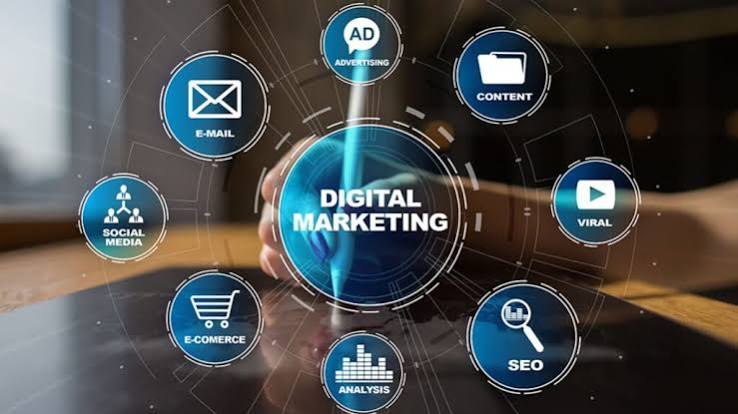
A well-executed digital marketing strategy—combining SEO, content marketing, automation, retargeting, conversion optimization, analytics, and personalization—can reduce CAC by up to 40% while simultaneously improving lead quality and customer lifetime value.
For FinTech companies seeking sustainable growth, the objective should not be spending more on marketing. The objective should be creating a customer acquisition engine that delivers measurable results, maximizes efficiency, and drives long-term profitability.