
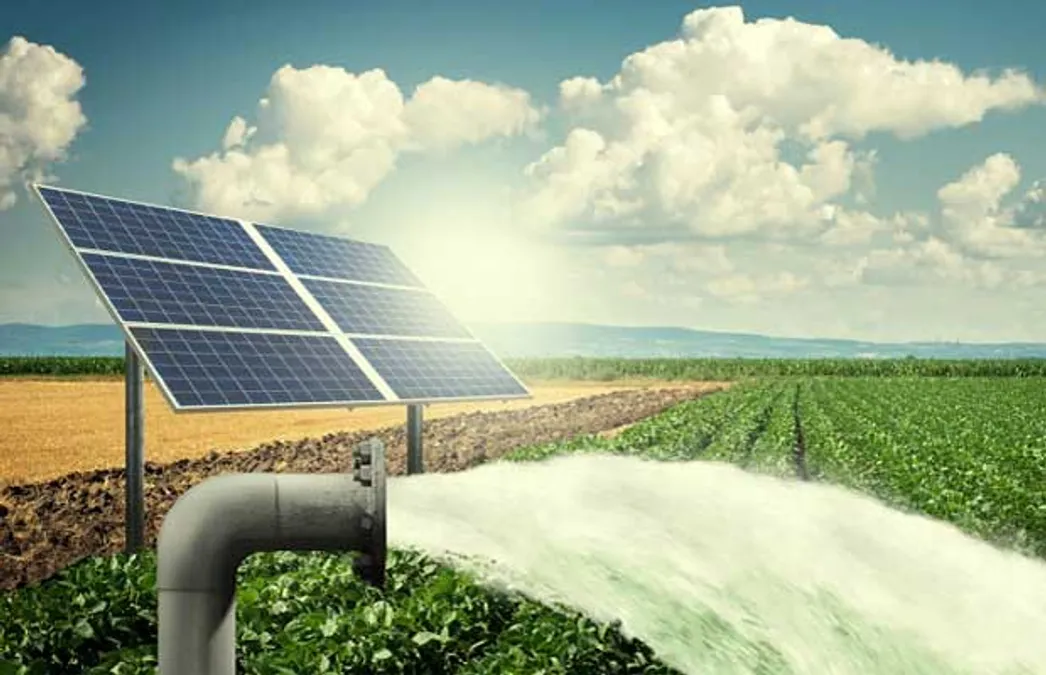
Solar Water Pumps: Low-Cost and Eco-Friendly Water Solutions
Water is one of the most important resources for farming, gardening, livestock care, and daily household activities. In many areas, especially rural regions, getting a reliable water supply can be difficult. Traditional water pumping systems often depend on electricity or diesel fuel, which can be expensive and sometimes unavailable.
As energy costs continue to rise, people are looking for affordable and sustainable alternatives. Modern technology has introduced new solutions that reduce costs while protecting the environment.
One of the most effective solutions available today is solar water pumps. These systems use sunlight to pump water from wells, ponds, rivers, and borewells without relying heavily on grid electricity or fuel. They are becoming increasingly popular among farmers, businesses, and homeowners because of their long-term benefits.
This article explains how solar-powered water pumping systems work, their advantages, applications, costs, and why they are considered a smart investment for the future.
What Are Solar Water Pumps?
Solar water pumps are devices that use energy from the sun to move water from one location to another. Instead of using diesel engines or conventional electric motors, these pumps operate through solar panels that convert sunlight into electricity.
The electricity generated by the solar panels powers the pump, allowing it to draw water from underground or surface water sources.
A typical solar pumping system includes:
- Solar panels
- Pump controller
- Water pump
- Mounting structure
- Pipes and accessories
These systems can be installed in remote areas where access to electricity is limited or unavailable.
How Do Solar Water Pumps Work?
The working process is simple and efficient.
Step 1: Sunlight Hits the Solar Panels
Solar panels absorb sunlight and convert it into electrical energy.
Step 2: Controller Regulates Power
The generated electricity passes through a controller that regulates voltage and protects the system from damage.
Step 3: Pump Starts Operating
The controller supplies power to the water pump, which begins drawing water from the source.
Step 4: Water Is Delivered
The pumped water is transported through pipelines to storage tanks, irrigation systems, farms, or households.
The entire process uses renewable energy and produces no pollution.
Types of Solar Water Pumps
Different applications require different types of pumps. Understanding the available options helps users choose the right system.
1. Surface Solar Pumps
Surface pumps are installed above ground and are suitable for shallow water sources such as:
- Rivers
- Lakes
- Ponds
- Storage tanks
These pumps are ideal when water is available close to the surface.
2. Submersible Solar Pumps
Submersible pumps are installed underwater inside borewells or deep wells.
They are suitable for:
- Deep groundwater extraction
- Agricultural irrigation
- Rural water supply
These pumps can lift water from significant depths and provide reliable performance.
3. AC Solar Pumps
These pumps operate using alternating current and may work with existing electrical systems.
4. DC Solar Pumps
DC pumps run directly on electricity generated from solar panels and are known for their high energy efficiency.
Why Solar Water Pumps Are Becoming Popular
The growing popularity of solar-powered pumping systems is driven by several factors.
Rising Electricity Costs
Electricity expenses continue to increase in many regions. Farmers and property owners are searching for alternatives that reduce monthly bills.
High Diesel Prices
Diesel-powered pumps require regular fuel purchases, making operation costly over time.
Environmental Awareness
People are becoming more conscious about reducing pollution and carbon emissions.
Government Support
Many governments offer incentives and subsidies to encourage the use of renewable energy solutions.
Better Technology
Modern solar equipment is more efficient, reliable, and durable than ever before.
Benefits of Solar Water Pumps
1. Low Operating Costs
Once installed, solar pumping systems use sunlight, which is free.
Unlike diesel pumps, there is no need to spend money regularly on fuel.
This significantly reduces long-term operating expenses.
2. Environmentally Friendly
Solar energy is clean and renewable.
These systems do not produce:
- Smoke
- Harmful gases
- Noise pollution
As a result, they help protect the environment.
3. Reliable Water Supply
In sunny regions, solar pumps can provide a dependable source of water throughout the year.
They are particularly useful in areas where electricity supply is inconsistent.
4. Minimal Maintenance
Solar pumping systems have fewer moving parts compared to diesel engines.
This reduces wear and tear and lowers maintenance requirements.
5. Long Lifespan
High-quality solar panels can last for 20 to 25 years or more.
The pumps themselves also provide many years of reliable operation when properly maintained.
6. Suitable for Remote Locations
Many villages and agricultural fields are located far from power lines.
Solar-powered systems can operate independently, making them ideal for remote areas.
7. Energy Independence
Users become less dependent on utility companies and fluctuating fuel prices.
This provides greater control over operating costs.
Applications of Solar Water Pumps
Solar-powered pumping systems serve a wide range of purposes.
Agricultural Irrigation
Agriculture is one of the largest users of water.
Solar pumps help farmers:
- Irrigate crops
- Improve productivity
- Reduce fuel expenses
- Ensure timely watering
Drinking Water Supply
Many communities use solar pumps to provide clean drinking water.
These systems can deliver water to:
- Villages
- Schools
- Community centers
Livestock Farming
Animals require a continuous supply of water.
Solar pumps help supply water to:
- Cattle farms
- Dairy farms
- Poultry farms
- Goat farms
Horticulture and Gardening
Garden owners and horticulture businesses use solar pumps for watering plants efficiently.
Fish Farming
Fish ponds require proper water management.
Solar pumping systems help maintain water circulation and quality.
Residential Use
Homeowners can use solar pumps for:
- Water storage tanks
- Garden irrigation
- Household water supply
Solar Water Pumps vs Traditional Pumps
Energy Source
Solar pumps use sunlight, while traditional pumps rely on electricity or diesel.
Operating Cost
Solar systems have much lower operating expenses after installation.
Environmental Impact
Solar-powered pumps generate clean energy and produce no emissions.
Diesel pumps contribute to air pollution.
Maintenance
Solar pumps generally require less maintenance than diesel-powered equipment.
Reliability
In areas with frequent power cuts, solar systems often provide more dependable performance.
Factors to Consider Before Buying a Solar Water Pump
Choosing the right system requires careful evaluation.
Water Requirement
Determine how much water is needed daily.
Higher water demand may require a larger pump system.
Water Source
Consider whether the water source is:
- A pond
- A river
- A shallow well
- A deep borewell
The depth affects pump selection.
Solar Radiation
Locations with good sunlight availability achieve better performance.
Pump Capacity
The pump should match water flow and pressure requirements.
Quality of Components
Choose durable components from trusted manufacturers to ensure long-term reliability.
Installation Area
Ensure there is enough space for solar panel installation without shading.
Cost of Solar Water Pumps
The cost varies depending on several factors:
- Pump type
- Capacity
- Water depth
- Solar panel size
- Installation requirements
Although the initial investment may be higher than some conventional systems, the savings on electricity and fuel often make solar pumps more economical over time.
Users typically recover their investment through reduced operating costs.
Maintenance Tips for Solar Water Pumps
Proper maintenance helps maximize system performance.
Clean Solar Panels Regularly
Dust and dirt can reduce efficiency.
Cleaning panels periodically ensures optimal energy production.
Inspect Electrical Connections
Check wiring and connectors to ensure safe operation.
Monitor Pump Performance
Pay attention to unusual sounds or reduced water flow.
Early detection prevents major issues.
Check Pipes and Fittings
Leaks can reduce efficiency and waste water.
Schedule Professional Inspections
Occasional professional servicing helps maintain long-term reliability.
The Role of Solar Water Pumps in Sustainable Development
Sustainable development focuses on meeting current needs without harming future generations.
Solar pumping technology supports sustainability by:
- Reducing fossil fuel consumption
- Lowering greenhouse gas emissions
- Conserving natural resources
- Improving water access
- Supporting agricultural growth
These benefits make solar pumps an important part of future water management strategies.
Challenges of Solar Water Pumps
Despite their many advantages, there are some challenges.
Initial Investment
The upfront cost may be higher than traditional pumps.
However, long-term savings often outweigh the initial expense.
Dependence on Sunlight
Performance is highest during sunny conditions.
Cloudy weather can reduce energy production.
Proper System Design Required
Selecting the wrong pump size may lead to inefficient operation.
Professional planning and installation are important.
Future of Solar Water Pump Technology
Solar pumping technology continues to improve rapidly.
Future developments may include:
- Higher efficiency solar panels
- Smart monitoring systems
- Remote performance tracking
- Better energy storage solutions
- Lower equipment costs
As technology advances, solar pumping systems are expected to become even more accessible and affordable.
Conclusion
Solar-powered water pumping systems provide an effective solution for individuals, farmers, businesses, and communities seeking reliable water access. They reduce dependence on conventional energy sources, lower operating costs, and support environmental protection.
With minimal maintenance requirements, long service life, and excellent performance in sunny regions, solar pumping technology has become a practical investment for the future. Whether used for irrigation, livestock, household water supply, or community projects, these systems deliver both economic and environmental benefits.
For those looking for dependable and sustainable water pumping solutions, Solar Prabha offers quality solar energy systems designed to meet modern water management needs while supporting a greener future.