
How to Restore a Neglected Vehicle Without Making Costly Mistakes
One mistake I see surprisingly often is that people rush straight to polishing the paint before addressing dirt hidden in seams, engine components, or undercarriage areas. A shiny exterior can be satisfying, but if the basics are ignored, the restoration won’t last.
With a methodical approach and a little patience, even a tired-looking vehicle can make a remarkable comeback.
Start with a Thorough Inspection
Before picking up a bucket or ordering replacement parts, take time to inspect the vehicle from top to bottom.
Look for:
- Paint oxidation and scratches
- Rust around wheel arches, doors, and underbody
- Cracked rubber seals
- Cloudy headlights
- Worn tires
- Interior stains and odors
- Fluid leaks beneath the vehicle
Take photos before beginning. Besides helping track progress, they make it easier to remember areas that need extra attention.
A complete inspection also helps prioritize work. Safety-related issues should always come before cosmetic improvements.
Give the Exterior a Proper Deep Clean
Years of accumulated grime often hide the true condition of the paint.
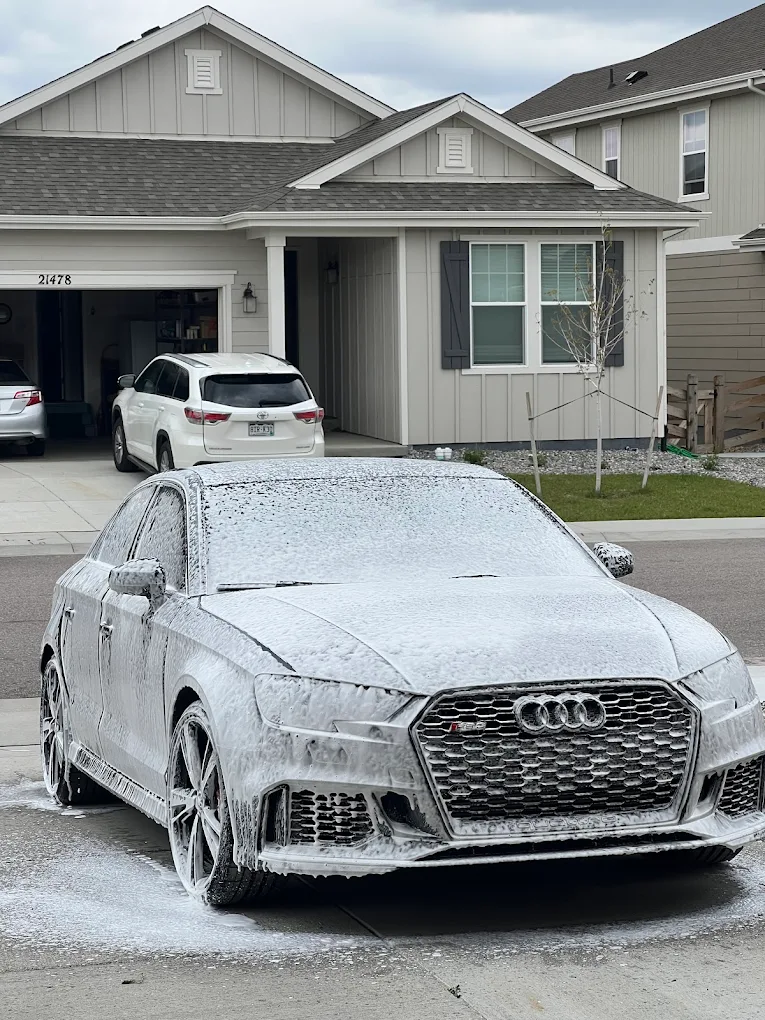
Begin with a careful rinse to remove loose dirt before washing with a quality automotive shampoo. Avoid household cleaners, which can strip protective coatings.
Pay extra attention to areas people commonly overlook:
- Door jambs
- Fuel filler area
- Wheel wells
- Lower rocker panels
- Around badges and trim
These locations often trap mud, road salt, and debris that continue causing damage if left untouched.
Once the surface is clean, inspect the paint again. Many scratches that appeared severe before washing turn out to be dirt embedded in old wax rather than permanent damage.
Remove Embedded Contamination
Even after washing, paint usually feels rough on neglected vehicles.
This is where a clay bar or synthetic clay mitt becomes valuable. These tools safely remove bonded contaminants like industrial fallout, tree sap residue, and embedded road grime.
The result is a smoother surface that allows polishing products to work far more effectively.
An insider tip that many enthusiasts overlook is to frequently fold or inspect your clay material during use. If it picks up grit and continues rubbing against the paint, it can create fine scratches that require additional correction later.
Restore the Paint Carefully
Not every neglected vehicle needs aggressive paint correction.
Start with the least aggressive polish possible and test a small section first.
Depending on the paint condition, you may only need:
- A light polish for dull finishes
- A medium compound for moderate oxidation
- Multiple polishing stages for heavily weathered paint
Working slowly usually produces better results than trying to remove every imperfection in one pass.
According to restoration specialists and detailing professionals, preparation is far more important than simply choosing an expensive polish. Helpful guidance on proper restoration methods can be found in this guide on car detailing centennial co.
Bring the Interior Back to Life
The interior often shows neglect more clearly than the exterior.
Dust settles into vents, stains become permanent, and lingering odors develop from moisture or spilled food.
Start by removing everything from the cabin before vacuuming thoroughly.
Then clean each material appropriately:
Fabric Seats
Use a fabric-safe upholstery cleaner and avoid soaking the material. Excess moisture can lead to mold beneath the cushions.
Leather Surfaces
Clean gently before applying a quality conditioner to restore flexibility and reduce cracking.
Plastic and Vinyl
Use dedicated interior cleaners rather than products that leave greasy residue.
A clean interior doesn’t just improve appearance—it also creates a more comfortable driving experience every day.
Don’t Forget the Engine Bay
Many owners avoid cleaning the engine compartment because it seems intimidating.
In reality, a carefully cleaned engine bay makes future maintenance easier by helping identify leaks, worn hoses, or loose connections.
Cover sensitive electrical components when necessary and use products designed specifically for engine cleaning.
Avoid using excessive water pressure around electrical connectors.
A clean engine compartment often reveals maintenance issues that would otherwise remain hidden beneath years of accumulated grease.
Restore Cloudy Headlights
Oxidized headlights dramatically reduce nighttime visibility.
Many restoration kits effectively remove the yellowed outer layer and restore clarity.
The key is applying UV protection afterward. Without it, oxidation usually returns much faster.
This relatively inexpensive step can make an older vehicle appear years newer while improving driving safety.
Address Small Rust Before It Spreads
Surface rust rarely stays small for long.
If caught early, it can often be treated by:
- Removing loose corrosion
- Applying rust converter when appropriate
- Priming exposed metal
- Repainting damaged sections
Waiting too long allows rust to spread beneath surrounding paint, making repairs significantly more involved.
Even if professional bodywork becomes necessary later, slowing corrosion now can preserve more of the original metal.
Protect Everything You’ve Restored
After spending hours restoring the vehicle, protecting the results is essential.
Consider applying:
- Paint sealant or ceramic protection
- Tire dressing with a natural finish
- Interior UV protectant
- Glass water repellent
- Trim restoration products
Protection helps reduce future maintenance while preserving the improvements you’ve made.
Many neglected vehicles fall back into poor condition simply because no protective layer was added after restoration.
Build a Simple Maintenance Routine
Restoration isn’t a one-time event.
Keeping the vehicle looking its best requires consistency rather than perfection.
A practical routine might include:
- Washing every few weeks
- Vacuuming monthly
- Inspecting paint for contaminants seasonally
- Applying paint protection as recommended
- Cleaning wheels regularly to prevent brake dust buildup
Small maintenance sessions are far easier than repeating a full restoration every few years.
Know When Professional Help Makes Sense
Some restoration tasks are perfectly manageable at home. Others benefit from professional equipment and experience.
Deep paint correction, severe oxidation removal, advanced ceramic coatings, and extensive interior restoration often require specialized tools that produce more consistent results.
Knowing where your comfort level ends can prevent accidental damage while saving both time and frustration.
Final Thoughts
Restoring a neglected vehicle isn’t about chasing perfection. It’s about reversing years of wear through thoughtful, steady work. Every cleaned panel, restored surface, and protected finish adds to the vehicle’s longevity and overall enjoyment.
Also read for more information so click here.