
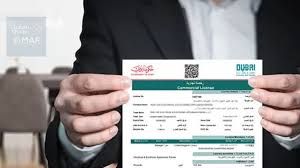
5 Mistakes That Get UAE License Applications Rejected
Starting a business in the UAE is exciting, but one wrong move during the licensing process can set you back weeks, or even months. The good news? Most rejections are completely avoidable once you know what to watch out for.
This post breaks down the five most common mistakes that lead to rejected license applications in the UAE, along with practical tips to help you get it right the first time. Whether you’re a first-time entrepreneur or expanding an existing venture, this guide will save you a lot of frustration.
Why Working With Business Setup Consultants in Dubai Can Prevent Costly Errors
Many applicants dive into the licensing process alone, and that’s often where the trouble starts. Business setup consultants in Dubai handle hundreds of applications every year. They know exactly what authorities look for, what documentation is required, and where most people go wrong.
Before we get into the mistakes, here’s a quick tip: if you’re unsure about any step of the process, consulting an expert early on is almost always worth it. A small upfront investment can save you from expensive delays down the road.
Now, let’s get into the mistakes.
Mistake #1: Choosing the Wrong Business Activity
This is the most common—and most frustrating—mistake applicants make. Every license issued in the UAE is tied to specific business activities. If the activity you list doesn’t match what you actually plan to do, your application will likely be rejected.
Here’s where it gets tricky: the UAE has hundreds of approved business activity categories, and some are surprisingly specific. Listing “trading” when you mean “retail trading of electronics” can cause problems. So can bundling too many unrelated activities under one license.
Tip: Before you apply, review the official list of approved activities from the relevant licensing authority—whether that’s the Department of Economic Development (DED) or a free zone authority. Match your intended operations as precisely as possible.
Mistake #2: Ignoring the Rules Around UAE Mainland Business Setup
A lot of entrepreneurs underestimate how different the rules are for UAE mainland business setup compared to free zone licensing. These two paths have distinct requirements, ownership structures, and permitted activities—and confusing the two leads to a lot of avoidable rejections.
For example, mainland businesses are licensed by the DED and can trade directly with the local UAE market. Free zone companies, on the other hand, often have restrictions on doing business outside the zone without a local distributor. Applying under the wrong jurisdiction—or not understanding the implications of each—is a fast track to rejection.
Tip: Be clear on your business model from the start. Do you need to trade locally? Do you want 100% ownership? Your answers will determine whether mainland or free zone is the right fit. Don’t guess—get clarity before submitting anything.
Mistake #3: Submitting Incomplete or Incorrect Documentation
This one sounds obvious, but it’s responsible for a huge number of rejections. Missing a single document—or submitting one that’s expired, incorrectly translated, or improperly attested—can hold up your entire application.
Common documentation mistakes include:
- Passport copies that are expired or unclear
- MOA (Memorandum of Association) errors, such as incorrect shareholder percentages
- Missing NOC letters from a current employer (required in some cases)
- Unattested or improperly translated documents, especially for foreign nationals
Tip: Create a checklist before you submit anything. Cross-check it with the requirements from the relevant authority. If any documents need legal translation or attestation, factor in extra time—this process can take longer than expected.
Mistake #4: Picking a Trade Name That Doesn’t Pass Approval
You’ve probably spent time coming up with the perfect business name. But in the UAE, trade names go through a strict approval process—and many get rejected.
Names can be denied for a range of reasons:
- They’re already taken or too similar to an existing registered name
- They include offensive, political, or religious references
- They’re too generic or don’t align with the registered business activity
- They include abbreviations of personal names that don’t meet naming conventions
Tip: Check name availability through the DED’s online portal or your free zone authority before you get attached to a name. Have two or three backup options ready, just in case. And avoid names that are too broad—”Global Solutions LLC,” for example, might not pass muster.
Mistake #5: Not Meeting the Office Space Requirements
Many applicants are surprised to learn that a physical office address is required for most UAE business licenses—especially for mainland companies. Submitting an application without a valid tenancy contract (Ejari-registered for Dubai) is a guaranteed rejection.
Some business owners try to cut costs by using a virtual office or a residential address. Depending on your license type and jurisdiction, this may not be acceptable.
Tip: Secure your office space and get your tenancy contract registered before submitting your application. If a physical space isn’t feasible for your budget, look into flexi-desk or co-working options through free zones, which often include a registered address as part of their packages.
Helpful Tips to Keep Your Application on Track
Here’s a quick summary of best practices to improve your chances of approval:
- Start early. Give yourself more time than you think you need—approvals can take anywhere from a few days to several weeks, depending on the license type and jurisdiction.
- Keep documents updated. Passports, visas, and attested documents all have expiry dates. Check them before you submit.
- Be consistent. Your business name, activity, and ownership structure should be consistent across every document you submit.
- Use LSI-aligned terminology. If your application involves commercial license UAE, company registration Dubai, or trade license renewal UAE, make sure your stated activities align with these terms accurately.
- Ask questions. Licensing authorities in the UAE often have helplines or business support desks. Use them!
Frequently Asked Questions
How long does it take to get a business license in the UAE?
It depends on the jurisdiction and license type. Free zone licenses can sometimes be issued within 3–5 business days. Mainland licenses typically take 1–3 weeks, depending on the activity and documentation requirements.
Can a foreign national own 100% of a mainland business in the UAE?
Yes! Since the 2021 Commercial Companies Law amendment, 100% foreign ownership is allowed for most mainland business activities. However, some strategic sectors still require a UAE national partner. It’s worth verifying this for your specific activity.
What is the difference between a free zone and a mainland license?
A mainland license lets you trade freely across the UAE, including with government entities. A free zone license is typically limited to operating within the free zone or internationally—unless you use a local distributor for mainland trade.
What documents are typically required for a UAE business license application?
Requirements vary, but commonly include passport copies of shareholders and directors, a No Objection Certificate (if applicable), a tenancy contract, the Memorandum of Association, and the approved trade name certificate.
What are the most common LSI keywords related to UAE business licensing?
Common related terms include: commercial license UAE, company registration Dubai, trade license renewal UAE, business license application UAE, and DED license Dubai. Knowing these terms helps you navigate government portals and official resources more effectively.
Final Words
Getting a UAE business license rejected is frustrating—but it’s rarely the end of the road. Most rejections come down to avoidable mistakes: the wrong activity, missing documents, or a trade name that didn’t make the cut. Now that you know what to watch out for, you’re already ahead of most applicants.
Take your time, double-check everything, and don’t hesitate to lean on experienced business setup consultants in Dubai if the process feels overwhelming. The UAE is one of the most business-friendly countries in the world—and with the right preparation, your license approval is well within reach. Good luck!