
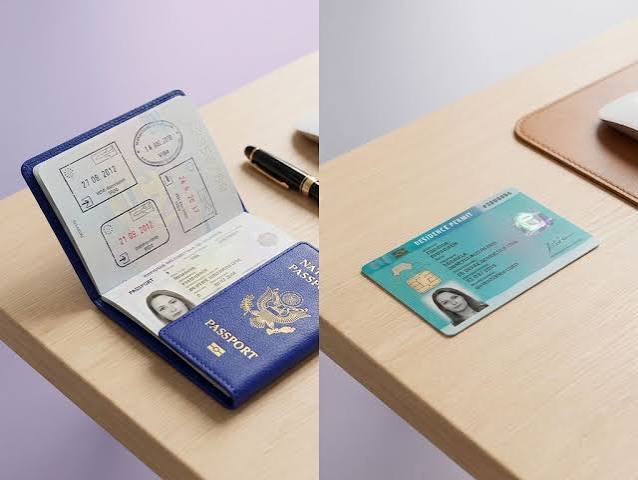
Student Visa vs. Residence Permit: Know the Difference
Quick answer: A student visa grants temporary entry to a country for educational purposes, while a residence permit allows you to legally live there for an extended period. Students who plan to study in Belarus or other European countries typically need both, a visa to enter and a residence permit to stay long-term.
Thousands of international students apply to universities abroad each year without fully understanding the difference between a student visa and a residence permit. They assume one document covers everything—and that’s where costly delays and legal complications begin.
If you’re planning to study in Belarus or explore study in European countries, understanding these two documents is not optional. It’s the foundation of your entire study-abroad journey. This guide breaks down what each document means, how they differ, and what you need to know before submitting a single application.
What Is a Student Visa—and Why Do You Need One?
A student visa is an official entry permit issued by a country’s government. It allows a foreign national to enter that country specifically for educational purposes. Think of it as your ticket through the door.
Student visas are typically short- to medium-term. They confirm that you’ve been accepted to an accredited institution and that you have the financial means to support yourself during your studies. Without this document, you cannot legally cross the border for academic purposes.
Key characteristics of a student visa:
- Purpose: Grants permission to enter the country
- Duration: Usually tied to the length of your academic program
- Issued by: The embassy or consulate of the destination country
- Required documents: University acceptance letter, proof of funds, valid passport, health insurance
For those looking to study in Belarus, the standard student visa (Type D) is issued for stays exceeding 90 days. You apply for it through the Belarusian embassy in your home country before departure.
What Is a Residence Permit—and How Is It Different?
A residence permit is a separate document that allows a foreign national to legally reside in a country for an extended period. While a visa gets you into the country, a residence permit allows you to stay there—and in many cases, access services like healthcare, banking, and part-time work.
This is a critical distinction. Many students arrive in their host country on a student visa and then must apply for a residence permit once they’re there.
Key characteristics of a residence permit:
- Purpose: Grants permission to live in the country long-term
- Duration: Often renewable; tied to the length of your enrollment
- Issued by: Local immigration or registration authorities within the country
- Required documents: Valid visa, university enrollment confirmation, registered address, health certificate (in some countries)
For international students planning to study in European countries like Germany, Poland, or France, a residence permit (often called a “residence title” or “long-stay visa converted to permit”) is required after the initial entry visa expires—usually after 90 days.
Student Visa vs. Residence Permit: A Side-by-Side Comparison
| Feature | Student Visa | Residence Permit |
|---|---|---|
| Purpose | Entry into the country | Legal stay within the country |
| Where to apply | Embassy/consulate (home country) | Immigration office (host country) |
| When to apply | Before departure | After arrival |
| Duration | Short to medium term | Renewable; long-term |
| Required first? | Yes | Only after entry |
The simplest way to remember the difference: a student visa opens the door; a residence permit lets you live behind it.
How the Process Works When You Study in Belarus
Belarus has a clear, structured process for international students. Here’s a general overview:
- Get accepted to a Belarusian university (state or private)
- Apply for a student visa (Type D) at the Belarusian embassy in your home country
- Arrive in Belarus and register with local authorities within 5 business days
- Apply for a temporary residence permit at the Department of Citizenship and Migration
The temporary residence permit in Belarus is typically issued for one year and renewed annually for the duration of your studies. Students who skip the registration step or delay the permit application can face fines or forced departure—so timelines matter.
Helpful tip: Your university’s international student office will usually guide you through the registration process. Use this resource. It saves time and prevents avoidable errors.
How It Works When You Study in European Countries
European countries vary in their requirements, but the general framework is consistent across EU and Schengen member states.
- Schengen visa (Type C): Allows stays of up to 90 days. Not sufficient for a full academic year.
- National long-stay visa (Type D): Required for stays beyond 90 days. This is what most students apply for.
- Residence permit: Required after arrival in many EU countries for stays longer than 3–6 months.
Countries like Germany, France, and the Netherlands require students to register with local municipal authorities and then apply for a residence permit at the immigration office (called the Ausländerbehörde in Germany, for example).
Helpful tip: Applying early is essential. Residence permit appointment slots in popular university cities can be booked out weeks in advance. Apply as soon as you arrive.
5 Helpful Tips for Navigating Student Visas and Residence Permits
- Start early. Visa processing times vary from 2 weeks to 3 months. Don’t wait until the semester starts to apply.
- Keep copies of everything. Both physical and digital copies of your acceptance letter, visa, and permit can save you hours of trouble.
- Know your deadlines. Most residence permits must be applied for within 30–90 days of arrival. Miss this window, and you may face penalties.
- Check renewal requirements. Residence permits are often tied to your enrollment status. If you take a gap semester or transfer universities, notify local authorities.
- Understand work restrictions. Many student visas and residence permits allow limited part-time work (e.g., 20 hours/week in the EU). Know your limits to avoid visa violations.
Frequently Asked Questions
Can I enter a country on a residence permit without a visa?
No. A student visa is required for initial entry. The residence permit is applied for after you’ve arrived in the country. In some cases, your visa may be converted into a residence permit.
Do I need a residence permit if I’m only studying for one semester abroad?
It depends on the duration. Stays under 90 days in Schengen countries may only require a short-stay visa. For programs lasting more than 90 days, a long-stay visa and/or residence permit is typically required.
How long does it take to get a student visa for Belarus?
Processing times at Belarusian embassies typically range from 5 to 15 business days, depending on your country of residence and the completeness of your application.
What happens if my student visa expires before my residence permit is approved?
This is a common concern. Many countries provide a grace period or allow you to remain legally while your permit is under review. Confirm this with your host country’s immigration authority before your visa expires.
Can I work in Belarus on a student residence permit?
International students in Belarus are generally permitted to work with additional authorization. Check the specific conditions of your permit with the Department of Citizenship and Migration.
Is a residence permit the same as permanent residency?
No. A student residence permit is temporary and tied to your enrollment. Permanent residency is a separate legal status that typically requires years of continuous residence and other qualifications.
Final Words
The difference between a student visa and a residence permit is simple in theory—but it has real consequences if you get it wrong. A student visa gets you into the country; a residence permit lets you stay and study legally.
Whether you’re preparing to study in Belarus or navigating the requirements to study in European countries, understanding this distinction early will save you significant stress and help you focus on what matters: your education.
Start your research now, connect with your university’s international office, and give yourself enough time to handle the paperwork before your program begins.