
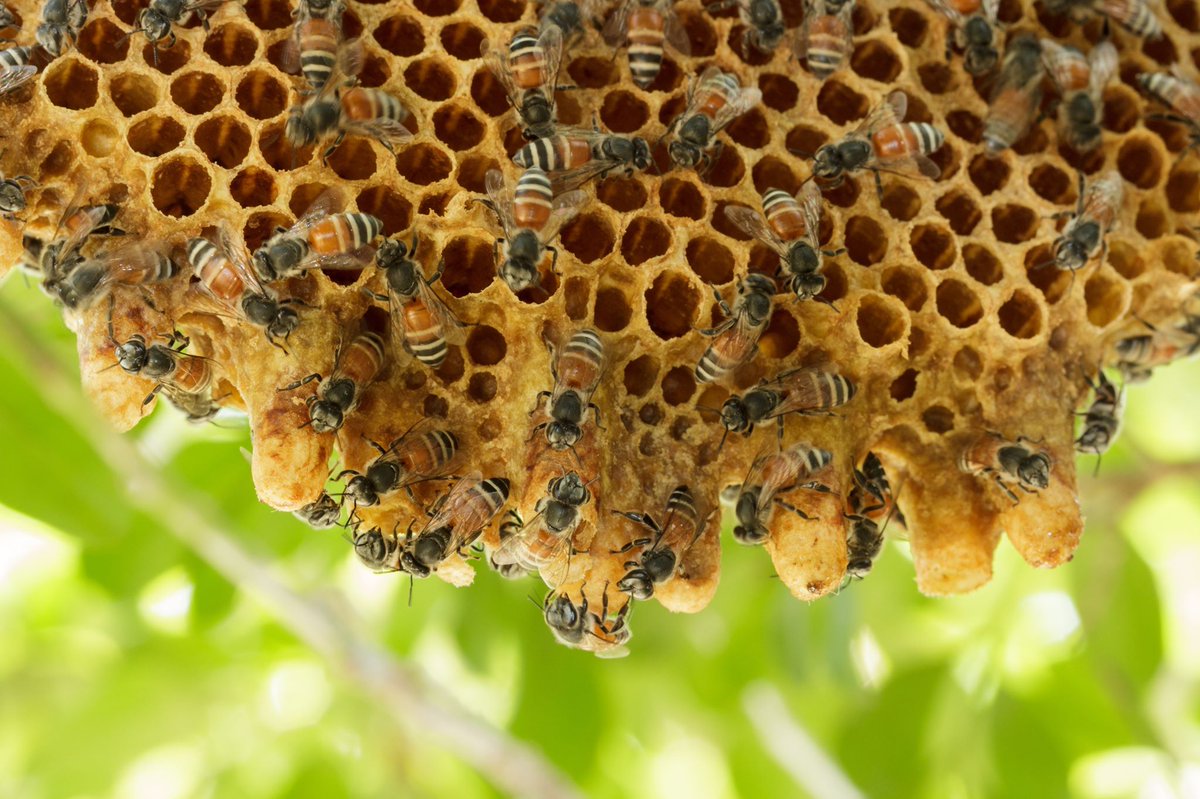
Best Roof Shingles to Discourage Bee Nesting Without Chemicals
A durable roof protects a home from rain, wind, heat, and changing weather, but it also plays an important role in preventing unwanted wildlife from settling into the structure. While most homeowners focus on selecting roofing materials based on durability and appearance, they often overlook how roof design can influence insect activity. One common concern is bee nesting, especially in areas where warm weather and abundant flowering plants encourage pollinator activity throughout much of the year.
Although bees are valuable pollinators that contribute to healthy ecosystems and food production, they can become a concern when they establish colonies too close to homes. Roof gaps, loose shingles, damaged flashing, and poorly ventilated attic spaces create attractive conditions for nesting. Fortunately, homeowners can reduce these risks without relying on pesticides or harmful chemicals. Choosing the right roofing materials, maintaining the roof regularly, and eliminating potential entry points provide long-term protection while respecting the environment.
Understanding Bee Nesting Around Residential Roofs
Before choosing roofing materials, it is important to understand why certain roofs attract colonies. Bees generally search for locations that provide shelter, warmth, protection from predators, and easy access to nearby food sources. Roof structures naturally offer many of these conditions when maintenance has been neglected or construction leaves small openings.
Older asphalt shingles that have curled or lifted over time often create narrow spaces where insects can explore. Cracked ridge vents, deteriorating fascia boards, loose soffits, and damaged flashing around chimneys also provide convenient access into attic cavities. Once a colony becomes established inside these protected spaces, removal becomes more complicated and expensive.
Environmental factors influence nesting behavior as well. Homes surrounded by flowering gardens, fruit trees, vegetable beds, and natural landscapes experience greater pollinator activity than properties with limited vegetation. Warm climates extend the active season, allowing colonies to search for nesting sites during much of the year.
The roof itself is rarely the only factor. Moisture problems, clogged gutters, rotting wood, and poor attic ventilation create favorable conditions by maintaining stable temperatures and protected cavities. Preventing these issues reduces the likelihood of insects viewing the roof as a suitable home.
Modern roofing technology offers several solutions that discourage nesting naturally. Instead of attempting to eliminate pollinators, homeowners can make the structure less inviting while allowing these beneficial insects to continue supporting nearby ecosystems.
Choosing Roof Shingles That Reduce Bee Nesting Naturally
Roof shingles differ significantly in their design, durability, and ability to resist structural damage over time. High-quality architectural asphalt shingles generally outperform basic three-tab shingles because they maintain their shape longer and resist curling as they age. Flat, secure shingles leave fewer hidden spaces where insects can investigate potential nesting locations.
Metal roofing systems also provide an excellent option. Their smooth surfaces, tightly connected panels, and durable construction minimize cracks and sheltered gaps. Since metal roofs expand and contract predictably with changing temperatures, they often maintain tighter seals than aging roofing materials that gradually separate over time.
Composite roofing materials have gained popularity because they combine durability with resistance to moisture and weather damage. Many premium composite shingles are manufactured with precise interlocking systems that reduce opportunities for insects to access the roof structure. Their long service life also decreases the frequency of repairs that may temporarily expose vulnerable areas.
Tile roofs, whether made from clay or concrete, offer excellent longevity but require careful installation. Improperly fitted tiles can leave openings beneath the roofing system. When installed correctly with quality underlayment and closure pieces, tile roofs provide strong protection while maintaining attractive architectural appeal.
Roof color may influence surface temperature, although it does not directly determine insect activity. Lighter-colored roofing materials often reflect more sunlight, helping maintain cooler attic temperatures during summer months. Proper ventilation combined with balanced roof temperatures creates a less favorable environment for colonies seeking warm, sheltered spaces.
Equally important is the quality of installation. Even the best roofing materials cannot perform effectively if flashing, ridge caps, drip edges, or ventilation systems are installed incorrectly. Professional workmanship ensures every component works together to eliminate unnecessary openings.
Roof Maintenance Practices That Prevent Future Problems
Roof maintenance remains one of the most effective long-term strategies for protecting a home. Annual inspections allow homeowners to identify loose shingles, cracked sealant, damaged vents, and deteriorating flashing before insects discover these vulnerable areas.
Seasonal weather causes gradual wear on roofing materials. Strong winds may loosen shingles, while heavy rain can expose hidden weaknesses around roof penetrations. Small defects that appear harmless during one season often become larger access points by the following year.
Cleaning gutters also contributes to roof protection. Overflowing gutters trap moisture near fascia boards and roof edges, accelerating wood deterioration. Decaying materials create ideal conditions for unwanted wildlife seeking protected nesting areas.
Tree maintenance should not be overlooked. Overhanging branches provide convenient pathways for insects and other wildlife to reach the roof. Trimming vegetation several feet away from the structure improves airflow, reduces moisture retention, and limits direct access.
Attic ventilation deserves equal attention. Balanced intake and exhaust ventilation prevents excessive heat buildup while reducing humidity inside roof cavities. Dry, well-ventilated attics are generally less attractive than enclosed spaces with stagnant air and consistent warmth.
Homeowners should also inspect chimney flashing, skylights, satellite mounting points, and roof valleys. These complex intersections experience greater weather exposure and often require occasional resealing. Prompt repairs maintain the roof’s protective barrier and reduce opportunities for insect entry.
During a routine inspection, homeowners may occasionally notice increased flying activity around roof edges. Rather than attempting to handle the situation independently, seeking guidance from an experienced bee removal service in Fountain Valley allows specialists to evaluate whether the activity represents temporary foraging or an established colony requiring safe relocation. Addressing the issue early prevents structural damage while supporting environmentally responsible management.
Sustainable Home Design to Minimize Bee Nesting
Thoughtful home design supports long-term prevention without relying on pesticides. Proper roof construction begins with quality underlayment, accurately installed flashing, and durable ventilation components that resist deterioration over many years. Every small improvement contributes to a stronger barrier against unwanted wildlife.
Landscaping also influences insect activity near the roof. Flowering plants remain valuable for pollinators but should be positioned thoughtfully. Establishing gardens farther from the home’s exterior encourages insects to remain in designated landscape areas instead of concentrating around rooflines and attic openings.
Water management is equally important. Leaking irrigation systems, poor drainage, and standing water increase moisture around the foundation and roofing system. Correct grading, functioning gutters, and well-maintained downspouts keep the structure dry while supporting healthier building materials.
Exterior lighting may also affect insect behavior. Warm-colored outdoor lighting generally attracts fewer insects than bright white or blue-toned lights. Reducing unnecessary nighttime illumination near rooflines can help decrease overall insect activity around entry points.
Routine maintenance should become part of every homeowner’s seasonal schedule rather than a reaction to visible problems. Small repairs completed promptly often prevent much larger expenses associated with structural damage or wildlife removal.
Modern construction increasingly emphasizes environmentally responsible practices. Sustainable roofing materials, energy-efficient ventilation, and preventive maintenance work together to create healthier homes while preserving beneficial insect populations in appropriate outdoor environments.
Long-Term Protection Without Using Chemicals
Creating a home that naturally discourages insect activity begins with understanding how roofing materials influence the surrounding environment. Strong, properly installed shingles provide more than weather protection; they reduce hidden gaps, maintain structural integrity, and eliminate many of the sheltered spaces that encourage bee nesting.
Chemical treatments may appear to offer immediate results, but they often fail to address the underlying structural conditions that allowed insects to settle in the first place. In contrast, preventive maintenance produces lasting improvements without introducing harmful substances into the environment.
Every component of the roofing system contributes to overall performance. Quality shingles, secure flashing, effective ventilation, clean gutters, and timely repairs combine to create a durable protective envelope around the home. When these elements are maintained consistently, opportunities for nesting become significantly less common.
Homeowners also benefit financially from preventive care. Investing in durable roofing materials and regular inspections reduces the likelihood of expensive structural repairs caused by moisture, decaying wood, or long-term colony activity. Preventive maintenance typically costs far less than extensive restoration after damage has occurred.
Equally important is recognizing the ecological value of pollinators. Bees play an essential role in supporting agriculture, fruit production, and healthy ecosystems. The goal is not to eliminate these beneficial insects but to guide them toward more appropriate habitats away from residential structures. Humane relocation and environmentally responsible prevention allow people and pollinators to coexist successfully.
A carefully maintained roof represents one of the most effective long-term investments a homeowner can make. By selecting durable roofing materials, correcting small structural weaknesses, maintaining proper ventilation, and scheduling routine inspections, homeowners can greatly reduce the likelihood of unwanted nesting while protecting both their property and the natural environment. This balanced approach delivers lasting peace of mind, improved home durability, and sustainable protection without depending on chemical solutions.