
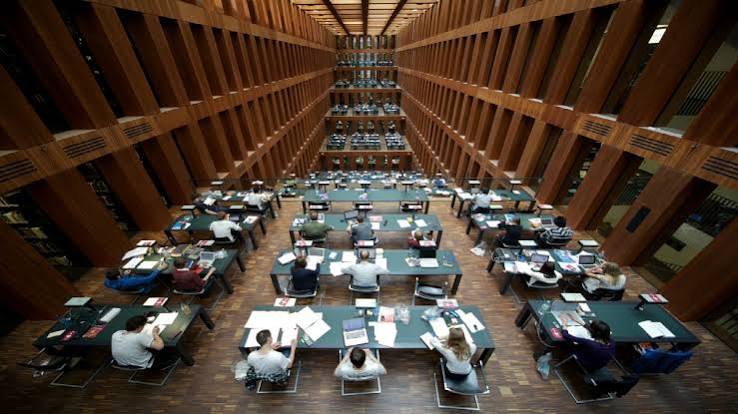
Why Germany Is the Best Country for Postgraduate Research in Europe?
Quick answer: Germany stands out as Europe’s top postgraduate research destination thanks to tuition-free public universities, world-class research institutes, generous funding programs, and a thriving international academic community. For students weighing where to pursue advanced study, Germany consistently delivers on quality, affordability, and career outcomes.
If you’ve been dreaming about pursuing postgraduate research in Europe, Germany might just be the answer you’ve been looking for! With hundreds of internationally ranked universities, cutting-edge research facilities, and a strong culture of academic excellence, Germany has become one of the most exciting destinations for graduate students worldwide.
But what exactly makes Germany stand out from the crowd? And how does it compare to other popular choices like France, the Netherlands, or Italy? Let’s break it all down so you can make the most informed decision for your academic future.
Why Germany Tops the List When You Study in European Countries
When students explore options to study in European countries, they often look at tuition costs, research quality, language of instruction, and post-study opportunities. Germany delivers on all four fronts, and that is a rare combination.
Here is what makes Germany genuinely exceptional:
Tuition-free education at public universities. Most public universities in Germany charge little to no tuition fees, even for international students. You typically pay a semester contribution of around 150 to 350 euros, which often includes a public transport pass. That is remarkable value for world-class education.
World-class research institutions. Germany is home to globally respected research organizations like the Max Planck Society, the Fraunhofer Society, and the Helmholtz Association. These institutes collaborate closely with universities, giving postgraduate students direct access to pioneering research environments.
Strong international rankings. German universities like the Technical University of Munich, LMU Munich, Heidelberg University, and Humboldt University Berlin consistently feature in global university rankings. According to the QS World University Rankings 2024, Germany has over 45 universities ranked in the top 1,000 globally.
English-taught postgraduate programs. Worried about the language barrier? Many German universities now offer postgraduate programs entirely in English, especially at the master’s and PhD levels. You can pursue a world-class degree without being fluent in German on day one.
Thriving student cities. Berlin, Munich, Hamburg, and Frankfurt are vibrant, multicultural cities where international students feel genuinely welcome. The cost of living, while higher in Munich, remains manageable across most other German cities compared to Western European capitals like Paris or Amsterdam.
How Germany Compares to Study in Italy Scholarships and Other European Options
Choosing between Germany and other European countries often comes down to your research field, financial situation, and personal priorities. One popular alternative is Italy, which attracts students with its rich academic heritage and a growing number of funded opportunities.
Italy offers competitive study in Italy scholarships through programs like the Italian Government Scholarships for Foreign Citizens (managed by the Italian Ministry of Foreign Affairs), regional scholarships, and university-specific funding. These are genuinely worth exploring, especially if your research interests align with arts, architecture, humanities, or fashion.
However, Germany tends to have a structural advantage for science, technology, engineering, and mathematics (STEM) research. Here is a quick comparison to help you decide:
| Factor | Germany | Italy |
|---|---|---|
| Tuition fees | Mostly free | Low to moderate |
| Research infrastructure | Excellent (Max Planck, DFG) | Good, improving |
| English-taught programs | Widespread | Growing |
| Scholarship availability | High (DAAD, Erasmus+) | Moderate |
| Post-study work visa | Yes (18 months) | Yes (12 months) |
If maximizing research output and funding access are your top priorities, Germany is the stronger choice. But Italy is a wonderful option if culture, language immersion, and specific humanities-focused programs appeal to you.
Top Funding Sources Available for Postgraduate Researchers in Germany
One of the biggest practical advantages of studying in Germany is the sheer variety of scholarships and funding programs available to international students.
DAAD Scholarships (German Academic Exchange Service): DAAD is the world’s largest funding organization for international academic exchange. It offers scholarships for master’s students, doctoral candidates, and postdoctoral researchers across virtually every subject area. Applications are accepted from students in over 130 countries.
DFG Research Fellowships: The German Research Foundation (DFG) funds postdoctoral researchers who want to pursue independent research projects at German institutions. This is a prestigious and competitive funding route for early-career researchers.
Erasmus+ Program: As an EU-funded initiative, Erasmus+ supports student mobility across Europe, including study and research placements at German universities.
University-specific scholarships: Many German universities offer their own merit-based and need-based scholarships. Heidelberg University, TU Munich, and RWTH Aachen all have dedicated international student funding offices worth contacting directly.
Helpful tip: Apply early! Most scholarship deadlines fall 6 to 12 months before the program start date. Create a spreadsheet to track deadlines, required documents, and submission portals for each opportunity.
What the Research Environment in Germany Actually Looks Like
Beyond funding and rankings, the day-to-day research environment in Germany is something students consistently rave about. Here is what you can genuinely expect:
Structured supervision and mentorship. German professors and research supervisors tend to follow structured mentorship models. PhD students usually have a formal supervision agreement outlining responsibilities, timelines, and review processes.
Interdisciplinary collaboration. German research culture actively encourages collaboration between departments and institutions. It is common for postgraduate students to co-author papers with researchers from Max Planck institutes, industry partners, or international collaborators.
Strong industry connections. Germany’s economy is powered by globally recognized companies like Siemens, BMW, Bosch, and SAP. For students in engineering, business, and technology, this creates exceptional internship and applied research opportunities.
Doctoral researcher contracts. In Germany, many PhD students are employed as research assistants (wissenschaftliche Mitarbeiter), meaning they receive a salary and social benefits while completing their doctorate. This is a significant financial advantage over countries where PhD students rely solely on stipends.
Practical Tips for Applying to a German University for Postgraduate Study
Getting into a German postgraduate program requires some planning, but the process is straightforward once you know what to expect!
- Choose your program carefully. Use the DAAD database (daad.de) to browse thousands of English-taught postgraduate programs across Germany.
- Prepare your academic documents. Most programs require certified translations of your undergraduate transcripts, a statement of purpose, two to three recommendation letters, and proof of language proficiency.
- Contact potential supervisors early. Especially for research-based programs, reaching out to a professor before formally applying can dramatically improve your chances of admission.
- Check the recognition of your degree. Use the anabin database to confirm that your undergraduate degree is recognized in Germany.
- Apply for a student visa in advance. Non-EU students need a student visa. Apply at the German embassy in your home country at least three months before your program starts.
Your Next Step Toward a World-Class Research Career
Germany has built an academic ecosystem that genuinely supports postgraduate researchers, from tuition-free study and generous funding to cutting-edge facilities and strong career pathways. Whether you are drawn by the research culture, the funding opportunities, or simply the chance to live and work in one of Europe’s most dynamic countries, Germany rewards those who take the leap.
Start by exploring programs on the DAAD portal, reach out to universities that match your research interests, and build your application step by step. Your future research career could very well begin here!
Frequently Asked Questions
Is Germany really free for international postgraduate students?
Yes, most public universities in Germany do not charge tuition fees for postgraduate students, including international students. You typically pay a semester fee between 150 and 350 euros, which often includes a public transport pass.
What language do I need to study in Germany for a postgraduate degree?
Many postgraduate programs, especially at the master’s and PhD level, are taught entirely in English. Some programs do require German language proficiency, so always check the specific requirements of your chosen program.
What is the DAAD scholarship and who can apply?
The DAAD (German Academic Exchange Service) is the world’s largest funding organization for international academic exchange. It offers scholarships for master’s students, doctoral candidates, and postdoctoral researchers from over 130 countries across most academic disciplines.
How does Germany compare to Italy for postgraduate research funding?
Germany generally offers broader and more accessible funding for STEM and social science research through programs like DAAD and DFG. Italy offers good scholarship options through government and university programs, but Germany has a more extensive infrastructure for research-focused postgraduate funding.
Can I work while studying in Germany as an international student?
Yes! Non-EU international students in Germany are allowed to work up to 120 full days or 240 half-days per year without needing a special work permit. Many PhD students are also employed as paid research assistants, which provides an additional income source.
What happens after I finish my postgraduate degree in Germany?
After completing your degree, Germany offers an 18-month job seeker visa that allows you to remain in the country and search for employment related to your field of study. This is one of the most generous post-study visa options in Europe.