
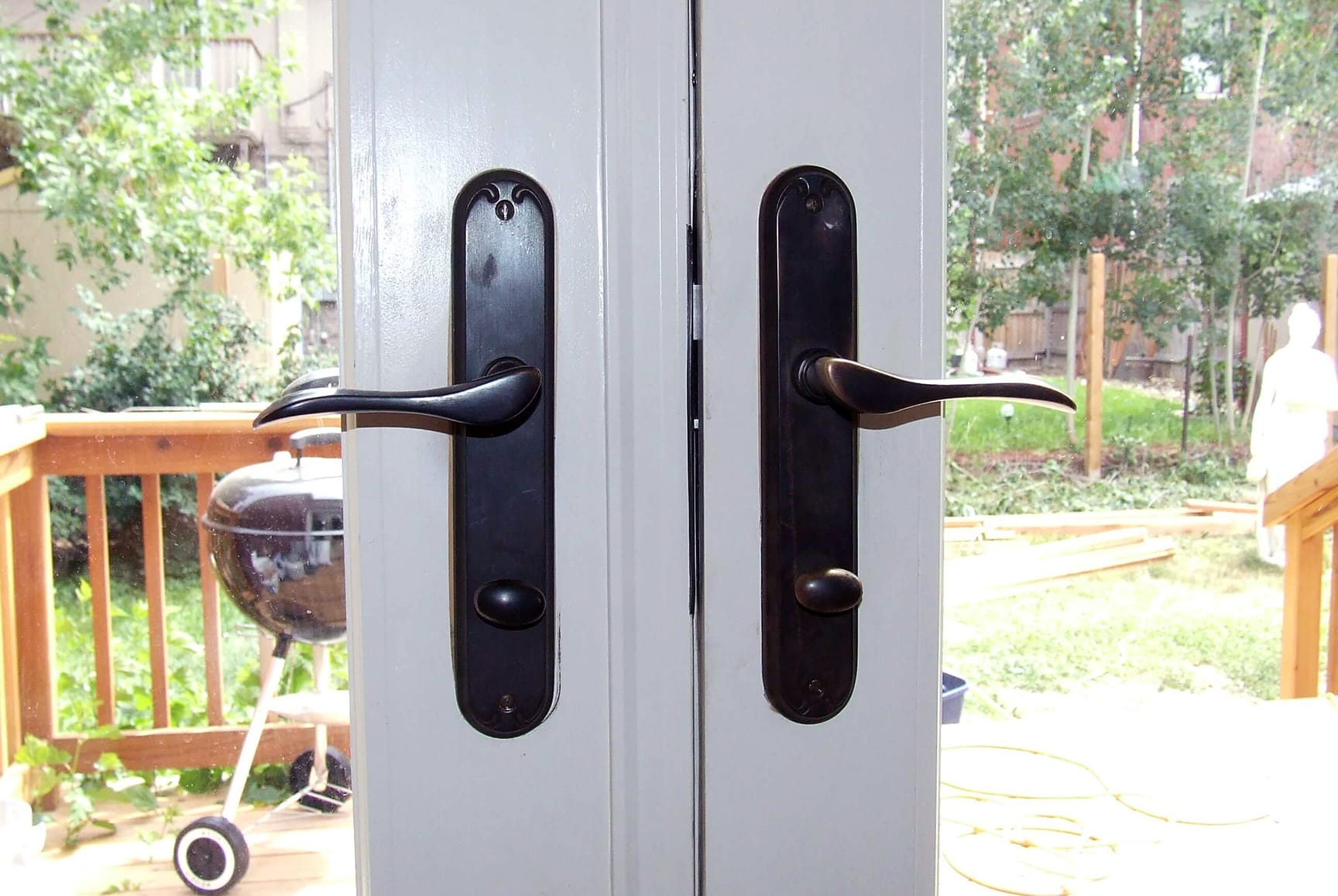
How to Maintain Lockable Patio Doors for Long-Lasting Performance
Patio doors are one of the most valuable features of any home. They provide natural light, improve ventilation, and create a seamless connection between indoor and outdoor spaces. However, like any frequently used part of a house, they require regular care to continue operating smoothly and securely. Proper maintenance not only extends their lifespan but also helps preserve energy efficiency, appearance, and safety.
Many homeowners overlook routine upkeep until they notice sticking tracks, worn seals, or difficulty locking the door. By following a simple maintenance routine throughout the year, you can avoid expensive repairs and keep your lockable patio doors functioning at their best for many years.
Why Regular Maintenance Matters
Patio doors are exposed to changing weather conditions, dust, moisture, and daily wear. Over time, dirt accumulates in the tracks, hardware may loosen, and moving parts can become less efficient. Ignoring these small issues often leads to bigger problems such as damaged rollers, poor insulation, or reduced security.
Routine care offers several advantages:
- Smoother opening and closing
- Better home security
- Improved energy efficiency
- Reduced repair costs
- Longer lifespan of components
- Enhanced appearance
A few minutes of maintenance every month can save significant time and money in the future.
Clean the Door Tracks Frequently
One of the simplest yet most important maintenance tasks is cleaning the tracks. Dust, leaves, pet hair, and debris can build up over time, preventing the door from sliding properly.
Start by vacuuming loose dirt from the track. Use a soft brush or old toothbrush to remove stubborn debris from corners. Wipe the surface with a damp cloth and mild soap solution before drying thoroughly.
Avoid allowing water to remain in the tracks, as standing moisture may encourage corrosion or mold growth.
Clean tracks help reduce strain on rollers and improve the overall operation of the door.
Lubricate Moving Components
Friction is one of the biggest causes of wear in patio door hardware. Proper lubrication helps moving parts glide smoothly while reducing unnecessary stress.
Focus on:
- Rollers
- Hinges (if applicable)
- Lock mechanisms
- Sliding track wheels
Choose a silicone-based lubricant instead of heavy grease because grease tends to collect dirt over time.
Apply only a small amount and wipe away any excess to prevent dust from sticking to lubricated surfaces.
Inspect the Locking System
The locking mechanism is essential for home security. Test it regularly to ensure it engages smoothly without excessive force.
Check for:
- Loose screws
- Rust
- Misalignment
- Difficulty turning the key
- Stiff locking action
If the lock feels rough, clean it carefully and apply an appropriate lock lubricant. Tighten loose screws immediately before they create alignment issues.
Properly maintained lockable patio doors offer greater peace of mind while protecting your home.
Examine Weather Seals
Weather stripping helps keep drafts, moisture, and insects outside while improving energy efficiency.
Inspect the seals around the frame for:
- Cracks
- Tears
- Flattened sections
- Missing pieces
- Hard or brittle material
Replace damaged weather stripping promptly. New seals improve insulation and help maintain comfortable indoor temperatures throughout the year.
Wash the Glass Properly
Clean glass not only improves visibility but also helps maintain the appearance of your entire home.
Use:
- Soft microfiber cloths
- Mild glass cleaner
- Warm water
- Non-abrasive cleaning products
Avoid steel wool or harsh scrubbing pads, as they may scratch the glass or surrounding frame.
Cleaning both sides of the glass every few weeks keeps the doors looking attractive and allows you to identify any developing cracks or damage early.
Check the Door Alignment
Doors can gradually shift due to frequent use or minor structural movement in the home.
Signs of poor alignment include:
- Difficulty sliding
- Uneven gaps
- Dragging against the frame
- Lock not lining up correctly
Most modern patio doors include adjustable rollers. Small adjustments often restore smooth operation without requiring major repairs.
If alignment problems continue after adjustment, consult a qualified technician before further damage occurs.
Tighten Loose Hardware
Daily opening and closing naturally loosens screws and hardware over time.
Inspect:
- Door handles
- Lock plates
- Roller brackets
- Track fasteners
- Hinges
- Decorative hardware
Use the correct screwdriver to tighten components carefully without overtightening.
Loose hardware may seem minor but can eventually lead to larger mechanical problems.
Protect the Door Frame
Different frame materials require different care.
Aluminum Frames
Wash with mild detergent and water to remove dirt and pollution buildup.
Vinyl Frames
Clean with a soft cloth and avoid harsh chemical cleaners that may discolor the surface.
Wooden Frames
Inspect regularly for peeling paint, moisture damage, or signs of rot. Repaint or reseal when necessary to prevent water penetration.
Proper frame maintenance improves both durability and appearance.
Prevent Moisture Damage
Water is one of the biggest threats to patio doors.
Check that drainage holes remain open so rainwater can escape properly.
After heavy rainfall:
- Inspect tracks
- Dry standing water
- Remove leaves and debris
- Check nearby seals
Good drainage helps prevent corrosion and mold while protecting the surrounding flooring.
Inspect Rollers Annually
Rollers bear much of the door’s weight and eventually wear out.
Watch for symptoms such as:
- Grinding noises
- Uneven movement
- Jerky sliding
- Visible cracks
- Flat spots
Replacing worn rollers before complete failure prevents damage to the track and makes operation much easier.
Well-maintained lockable patio doors rely heavily on properly functioning rollers.
Avoid Slamming the Door
Closing the door forcefully places unnecessary stress on locks, rollers, tracks, and the frame.
Encourage everyone in the household to:
- Open gently
- Close carefully
- Avoid pulling aggressively
- Keep tracks clear
Gentle daily use significantly extends the lifespan of moving components.
Perform Seasonal Inspections
Each season presents different maintenance needs.
Spring
- Remove winter debris
- Wash frames
- Clean glass
- Lubricate moving parts
Summer
- Inspect weather seals
- Check drainage
- Clean tracks more frequently due to dust
Autumn
- Remove fallen leaves
- Check locks before colder weather
- Inspect hardware
Winter
- Remove ice carefully
- Avoid forcing frozen doors
- Keep tracks dry
Seasonal inspections help identify issues before they become expensive repairs.
Know When Professional Maintenance Is Needed
Some problems require expert attention.
Contact a professional if you notice:
- Bent tracks
- Broken glass
- Severe frame damage
- Persistent locking issues
- Structural movement
- Major roller failure
Professional servicing ensures repairs are completed safely while preserving the manufacturer’s specifications.
Long-Term Maintenance Tips
To maximize the lifespan of your patio doors:
- Clean tracks every month.
- Lubricate hardware twice each year.
- Inspect seals every season.
- Tighten loose screws immediately.
- Wash frames regularly.
- Replace worn rollers promptly.
- Keep drainage channels clear.
- Test locks routinely.
- Address minor issues before they worsen.
Consistent care keeps every component working efficiently while reducing long-term maintenance costs.
Conclusion
Maintaining patio doors does not require complicated tools or expensive products. Regular cleaning, lubrication, inspections, and timely repairs go a long way toward preserving smooth operation, security, and energy efficiency. By developing a simple maintenance routine and addressing small problems early, homeowners can enjoy reliable performance year after year.