
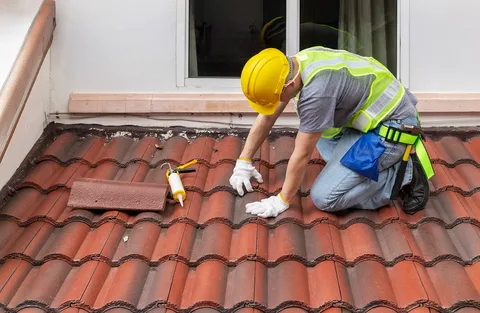
Roof Repairs: The Ultimate Guide to Protecting Your Home and Budget
A sturdy roof is your home’s first line of defense against harsh weather, structural damage, and costly emergency fixes. Yet, many homeowners overlook minor issues until water starts dripping through the ceiling. Investing in timely roof repairs not only preserves your property’s structural integrity but also extends the life of your roofing system and saves you thousands of dollars over time.
Whether you are dealing with a minor leak after a severe storm or trying to decide between repairing and replacing your roof, this comprehensive guide covers everything you need to know to keep your home safe, dry, and energy-efficient.
Why Timely Roof Repairs Matter
Ignoring minor roofing defects can quickly snowball into major structural disasters. When shingles crack, shift, or fall off, water penetrates the underlying sub-framing. Over time, moisture causes wood rot, ruins insulation efficiency, and weakens structural support beams.
Beyond physical damage, unaddressed leaks foster mold and mildew growth inside your attic and walls. Mold poses severe health risks to your family while requiring expensive remediation services. By prioritizing prompt repair work, you maintain high indoor air quality, preserve your home’s resale value, and prevent emergency replacement costs.
Common Causes of Roof Damage
Understanding what damages your roof helps you detect problems early and implement preventive measures.
Severe Weather Conditions
High winds can peel back shingles, while heavy hail can crack asphalt tiles or dislodge protective granules. Additionally, heavy snowfall creates ice dams along the eaves, backing up water underneath the roofing layer.
General Wear and Aging
All roofing materials have a defined lifespan. Continuous exposure to ultraviolet (UV) rays from the sun breaks down asphalt compositions, causing shingles to dry out, curl, and become brittle over time.
Debris and Overhanging Tree Branches
Fallen branches can puncture roof decking directly. Meanwhile, decaying leaves and twigs trap moisture on top of the shingles, accelerating rot and encouraging moss growth.
Poor Initial Installation or Ventilation
Improperly nailed shingles or inadequate attic ventilation cause heat and moisture build-up from inside the house. This internal heat bakes the shingles from below, leading to premature deterioration.
Warning Signs You Need Urgent Roof Repairs
Regular inspections allow you to catch subtle red flags before they turn into major leaks. Watch out for these primary indicators:
- Water Stains on Ceilings or Walls: Discolored patches or peeling paint inside your home indicate an active ceiling leak.
- Missing, Cracked, or Curled Shingles: Visible gaps or distorted shingles leave your roof vulnerable to wind-driven rain.
- Granules in the Gutters: Excessive sand-like granules washed into your gutters mean your asphalt shingles are reaching the end of their service life.
- Damaged Flashing: Cracks, gaps, or rust in the metal seals around chimneys, skylights, and vent pipes are prime entry points for water.
- Sagging Roof Deck: A visible dip in your roofline indicates advanced moisture rot in the underlying wooden structural support.
Trace the Source
Start inside your attic during daylight hours. Look for dark streaks, water stains, or visible daylight coming through the roof boards. If tracing during dry weather is difficult, run a garden hose on suspicious outdoor sections while someone watches inside the attic.
Seal Damaged Flashing
Flashing failure is one of the most common leak causes. Remove dried-out caulking, re-nail loose metal strips, and apply high-grade roofing cement to seal edges thoroughly.
Replace Broken Shingles
Lift the edges of surrounding undamaged shingles with a pry bar to remove nails from the damaged shingle. Slide out the ruined tile, slip in a fresh shingle, secure it with galvanized roofing nails, and coat the nail heads with roofing sealant.
Comparing Roof Repair Costs vs. Full Replacement
When facing extensive damage, deciding whether to repair or replace your roof comes down to age, damage scope, and overall cost efficiency.
| Decision Criteria | Roof Repair | Full Roof Replacement |
|---|---|---|
| Damage Coverage | Isolated area (under 25% of total roof surface) | Widespread damage across multiple areas |
| Roof Age | Under 15 years old | Exceeding 20 years (for standard asphalt) |
| Average Cost | Lower upfront cost ($300 – $1,500) | Higher investment ($7,000 – $15,000+) |
| Best Used For | Storm impact, loose flashing, localized leaks | Structural deck rot, widespread shingle failure |
Essential Materials Needed for Maintenance and Repair
Using quality materials ensures your patch work holds up against heavy weather:
- Roofing Cement: Elastic sealant designed to patch cracks and seal flashing seams.
- Galvanized Roofing Nails: Corrosion-resistant nails that hold shingles securely without rusting.
- Underlayment Membrane: Waterproof synthetic or felt barrier installed under shingles.
- Replacement Shingles: Matching tiles (asphalt, slate, or metal) to replace broken sections.
- Pry Bar & Utility Knife: Tools required to safely remove old fasteners and trim new materials.
Professional vs. DIY Repair Options
While minor maintenance tasks like re-caulking flashing or replacing two loose shingles can be tackled by experienced DIYers, major work requires professional attention.
- DIY Pros & Cons: DIY saves labor costs, but climbing ladders and walking on steep inclines carries high fall risks. Improper DIY fixes can also void material warranties or lead to hidden leaks.
- Professional Pros & Cons: Licensed contractors bring specialized safety gear, industry expertise, and labor warranties. Although more expensive upfront, professional work provides long-term peace of mind and ensures local building codes are fully met.
How to Choose the Right Roofing Contractor
Hiring the right team protects your financial investment. Follow this checklist when evaluating contractors:
- Verify Licensing and Insurance: Ensure the company carries both general liability insurance and worker’s compensation to protect you from liability during accidents.
- Ask for Local References: Reliable local roofers should readily supply local customer testimonials and portfolio photos.
- Obtain Detailed Written Estimates: Request itemized quotes breaking down labor, material costs, project timelines, and cleanup terms.
- Check Warranty Terms: Choose contractors who offer written warranties covering both material quality and workmanship craft.
Preventive Maintenance Tips to Extend Roof Lifespan
Routine maintenance reduces the frequency of unexpected repair emergencies.
- Clean Gutters Twice a Year: Clogged gutters cause water to back up under eave shingles, damaging fascia boards.
- Trim Overhanging Branches: Keep tree limbs at least 6 feet away from your roofline to prevent scraping and leaf buildup.
- Inspect After Major Storms: Walk around your property after heavy winds or hail to check for fallen shingle pieces or damaged downspouts.
- Ensure Attic Ventilation: Proper ventilation balances temperature and humidity levels under your roof deck, preventing mold rot and ice dam formation.
Frequently Asked Questions (FAQs)
How often should I inspect my roof?
Inspect your roof at least twice a year—once in spring and once in autumn—as well as after major weather events like heavy hail or windstorms.
Can I place new shingles over old ones?
While laying a second layer of shingles (overlaying) is permitted in some regions, it is generally discouraged. Overlaying traps heat, adds structural weight, and prevents you from inspecting the underlying deck for hidden moisture rot.
How long does a typical roof repair take?
Most minor residential repairs take between 2 to 6 hours. Larger jobs involving deck repairs or extensive flashing replacement can take 1 to 2 days.
Will my homeowner’s insurance cover repair costs?
Insurance typically covers sudden, accidental damage caused by storms, hail, or fallen trees. However, damage caused by age, neglect, or lack of routine maintenance is generally excluded.
Keep Your Home Protected
Your roof is essential for safeguarding your living space, family, and personal belongings. By monitoring warning signs, maintaining gutters, and addressing minor leaks immediately, you ensure your roofing system performs reliably for years to come. When in doubt, consult a licensed professional to inspect complex damage and execute high-quality repairs safely.