
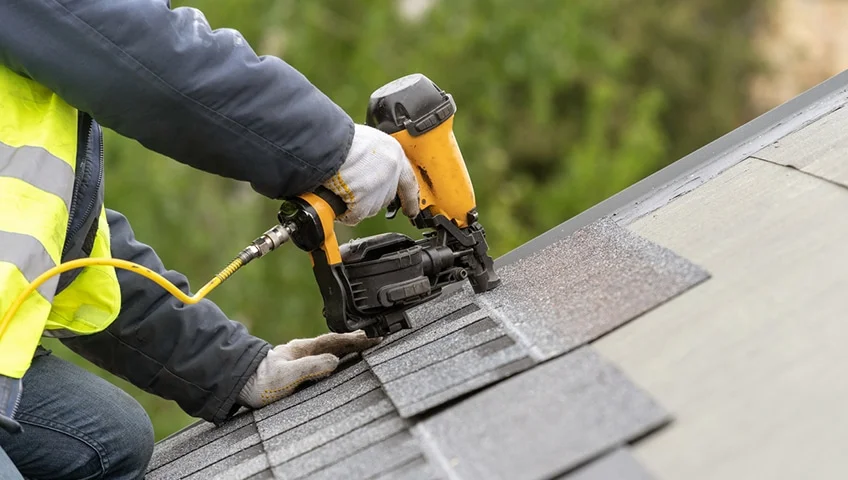
Shingle Repair: When Small Roof Damage Needs Immediate Attention
Shingle Repair in Milwaukee, WI can help stop a minor roofing problem from turning into costly water damage. A single missing shingle, lifted edge, or cracked section might seem insignificant from the ground, but the roof’s outer layer has an important job: keeping rain, snow, ice, and wind away from the materials underneath. Once that protective barrier is compromised, moisture can find an opening and gradually affect the roofing system.
For homeowners, the challenge is knowing which problems can wait and which deserve prompt attention. Understanding the warning signs, common causes, and available solutions makes it easier to protect your home without automatically assuming that every damaged roof needs a complete replacement.
Why Small Roof Damage Should Not Be Ignored
Roofing problems rarely become serious overnight. In many cases, deterioration begins with a relatively small defect and becomes more noticeable after repeated exposure to bad weather.
A loose shingle can allow wind to get underneath it. A missing section can leave the underlayment exposed. Cracks can create pathways for moisture, while damaged flashing can allow water to collect around vulnerable roof penetrations.
Once water moves beneath the visible roofing surface, the problem may extend beyond the shingles themselves. Underlayment, roof decking, insulation, and interior surfaces can all become vulnerable to moisture.
That is why early attention matters. Fixing an isolated problem while the surrounding roofing system remains sound is often more straightforward than waiting until a small defect develops into widespread damage.
Common Reasons Shingles Become Damaged
Shingles are manufactured to withstand demanding outdoor conditions, but no roofing material remains unaffected by years of exposure. Several factors can contribute to premature damage.
Wind is one of the most common causes. Strong gusts can loosen shingles, lift exposed edges, or remove materials completely. Damage may be especially easy to miss when it occurs on a less visible roof slope.
Hail can also affect roofing materials. Repeated impact may bruise shingles, remove protective granules, or weaken the surface. Some impact damage is subtle and may not be obvious without a closer examination.
Snow and ice create additional seasonal stress. Heavy accumulation adds weight, while repeated freezing and thawing can contribute to deterioration around vulnerable areas.
Age naturally affects roofing performance. Older shingles may become brittle, curl at the edges, lose granules, or develop surface cracks.
Installation issues, inadequate attic ventilation, fallen branches, debris, and problems around flashing or roof penetrations can also shorten the life of a roofing system.
Warning Signs That Your Roof Needs Attention
You do not have to wait for water dripping through the ceiling before investigating a roofing problem. Several clues can appear outside or inside the home.
Watch for:
- Missing or displaced shingles
- Curling, cracking, or broken materials
- Shingles with lifted edges
- Excessive granules accumulating in gutters
- Exposed areas where the roof surface appears incomplete
- Dark marks or unusual patches
- Water stains on ceilings or walls
- Damp insulation or attic materials
- Daylight visible through parts of the roof deck
- Damage noticed after wind or hail
- Shingles that look significantly different from surrounding materials
Some signs are easy to recognize, while others require a trained eye. If something looks unusual, having it evaluated can help determine whether the issue is cosmetic, localized, or part of a larger roofing concern.
When Individual Shingle Replacement Is the Better Option
A damaged roof does not automatically mean the entire roofing system needs to be replaced. When the problem is limited and the surrounding materials remain in good condition, replacing the affected shingles may be a practical approach.
The decision should be based on more than the number of damaged pieces, however. A contractor should consider the roof’s overall age, condition, installation quality, previous repairs, and the condition of the materials beneath the visible surface.
For example, replacing one missing shingle on a relatively well-maintained roof may make sense. Replacing the same shingle on a roof with widespread curling, granule loss, repeated leaks, and extensive deterioration may only provide a temporary solution.
A professional evaluation helps distinguish between an isolated repair and a roofing system that is approaching the end of its useful service life.
What a Professional Roof Assessment Can Reveal
A proper roofing evaluation involves more than counting missing shingles. Experienced professionals look at how the different components of the roof are performing together.
An assessment may examine:
- Shingle condition and attachment
- Flashing around chimneys, vents, and other penetrations
- Roof valleys and drainage areas
- Edges, ridges, and exposed sections
- Signs of moisture intrusion
- Attic ventilation
- Roof decking where accessible
- Previous repair areas
- Evidence of storm-related damage
This broader approach is important because the visible problem is not always the source of the underlying issue.
A homeowner might notice one damaged shingle, for example, while the inspection reveals several loose areas caused by wind exposure. Identifying the full scope of the problem allows for a more appropriate repair plan.
Why Prompt Roof Maintenance Can Save Trouble Later
Roof maintenance is easy to put off because most of the system sits outside and above eye level. Unfortunately, a problem that is invisible from the ground does not necessarily remain harmless.
Moisture is particularly persistent. Once it finds a vulnerable opening, repeated rainfall can gradually move it into areas that were never designed to stay wet. Winter weather can add another layer of stress as water freezes, expands, and thaws.
Addressing minor defects early can help preserve the surrounding roofing materials and reduce the chance of secondary damage.
Maintenance does not always mean spending heavily on the roof. Sometimes it means clearing debris, correcting a small defect, improving ventilation, or replacing a limited number of damaged materials before the issue becomes more complicated.
What to Do After Wind or Hail Damage
After a significant storm, homeowners often notice debris in the yard before they notice anything wrong with the roof. That does not necessarily mean the roof escaped damage.
If you suspect storm-related problems, avoid climbing onto the roof yourself. Wet or damaged roofing surfaces can be slippery, and walking across compromised areas can create additional damage.
Instead, look from the ground for obvious signs such as missing materials, exposed sections, or debris on the roof. Check the attic and upper ceilings for new signs of moisture as well.
A professional inspection can then determine whether the roof has sustained damage and what action, if any, should follow.
Choosing a Roofing Company for the Job
Not every roofing issue requires the same solution, which is why homeowners should choose a contractor who focuses on diagnosis as well as workmanship.
A reliable roofing professional should explain what was discovered, show where the problem is located, and clearly distinguish between necessary work and optional improvements. The goal should be to solve the actual roofing problem rather than recommend more work than the property requires.
Absolute Restorations has more than 28 years of experience serving residential roofing needs. The company provides roof inspections, repairs, replacement services, storm damage assistance, emergency roof tarping, and insurance claim support.
That experience allows the team to approach each roofing concern based on its actual condition. Instead of assuming that every damaged area calls for the same solution, the focus is on inspecting the roof, explaining the findings, and helping homeowners determine the most appropriate next step.
Protecting Your Roof Through Changing Weather
Weather can expose weaknesses that were previously easy to overlook. Regular attention is particularly valuable when a roof has already experienced severe storms or is getting older.
Homeowners can help maintain roofing performance by keeping gutters clear, trimming branches away from the roof, watching for visible deterioration, and ensuring attic ventilation remains appropriate.
After major wind, hail, or heavy snowfall, a visual check from the ground can also be worthwhile. The sooner a potential problem is noticed, the sooner it can be evaluated.
Most importantly, do not ignore a small roofing concern simply because it has not produced an interior leak yet. Prevention is usually easier than dealing with damage after moisture has spread.
Frequently Asked Questions
1. Can a damaged shingle cause a roof leak?
Yes. A missing, cracked, or displaced shingle can expose areas beneath the roof’s protective surface and create an opportunity for water intrusion, particularly during heavy rain or wind.
2. Can only one shingle be replaced?
In many situations, yes. If the damage is isolated and the surrounding roofing system is in good condition, replacing the affected material may be sufficient.
3. How can I tell if wind damaged my roof?
Look for missing or lifted shingles, exposed areas, displaced materials, or debris on the roof. Because some damage is difficult to see from the ground, a professional assessment may be appropriate after significant wind.
4. Does hail damage always look obvious?
No. Hail can cause bruising, granule loss, and surface deterioration without creating an obvious hole. A closer inspection may be necessary to identify less-visible impact damage.
5. When should I consider replacing the entire roof?
A larger replacement may be appropriate when damage is widespread or the roof is already showing significant age, deterioration, repeated leaks, or other systemic problems. An inspection can help determine whether replacement is justified.
6. Should I climb onto my roof to check for damage?
It is generally safer to avoid walking on the roof, particularly after a storm or when materials appear damaged. A professional can inspect hard-to-reach areas more safely and thoroughly.
Final Thoughts
A roof does not need to be actively leaking to have a problem. Missing, cracked, or weakened shingles can gradually reduce the protection your home depends on, especially when the roof is exposed to repeated wind, rain, snow, and temperature changes.
The best approach is to address concerns early, understand the actual condition of the roofing system, and choose a solution that fits the property’s needs. Whether the answer is a localized fix or a more extensive project, informed decisions can help protect the home for years to come.
Need Shingle Repair? Get Expert Roofing Help Today
Have you noticed missing, cracked, or lifted shingles? Contact Absolute Restorations to schedule a professional roof evaluation. With more than 28 years of roofing experience, the team can assess the damage, explain your options, and provide a practical solution designed to restore dependable protection to your home.