
Cabinet Quality Checklist for Smart Buyers
For contractors, builders, and cabinet dealers, choosing the right cabinets is about more than selecting an attractive design. Cabinet quality directly affects installation results, customer satisfaction, project reputation, and long-term business success.
A kitchen cabinet project represents a significant investment for homeowners and property developers. When cabinets perform well, they enhance the overall value of the space. However, poor-quality products can create problems such as installation issues, damaged components, customer complaints, and costly replacements.
Professional buyers need to evaluate cabinets carefully before making purchasing decisions. Understanding construction methods, materials, hardware, and supplier reliability helps contractors and builders select products that deliver consistent performance.
A dependable cabinet dealer should provide products that meet professional expectations while supporting businesses with reliable availability and service.
Understanding What Defines Cabinet Quality
Cabinet quality is determined by several different factors working together. A cabinet may have an attractive appearance, but its internal construction and components determine how well it performs over time.
Important quality factors include:
- Cabinet box construction
- Door materials
- Drawer systems
- Hardware performance
- Finish durability
- Assembly quality
Professional buyers should look beyond surface appearance and understand how cabinets are built.
For contractors and builders, selecting high-quality cabinets helps ensure smoother installations and better customer experiences.
Evaluate Cabinet Box Construction
The cabinet box is the foundation of every cabinet system. It provides structural support and influences how cabinets handle weight, daily use, and long-term conditions.
When evaluating cabinet boxes, buyers should consider:
- Material strength
- Construction methods
- Joint quality
- Overall stability
A well-built cabinet box helps prevent issues such as warping, misalignment, or reduced durability.
Material Selection Matters
Different cabinet materials provide different levels of performance. Buyers should understand what materials are being used and how they contribute to cabinet strength.
Quality materials help cabinets maintain their structure while supporting everyday kitchen activities.
For professional projects, consistent cabinet construction is especially important because multiple installations need to meet the same quality standards.
Review Door Construction and Design
Cabinet doors are one of the most visible parts of any kitchen. They influence the appearance of the space while also experiencing frequent daily use.
A quality cabinet door should provide:
- Strong construction
- Smooth operation
- Consistent appearance
- Durable finishing
Doors that are poorly constructed may develop issues over time, affecting both appearance and customer satisfaction.
Contractors should review door quality before selecting a cabinet line for repeated projects.

Check Drawer Quality and Functionality
Drawers are among the most frequently used cabinet components. Because of this, drawer construction is an important part of overall cabinet quality.
Professional buyers should look for:
- Smooth opening and closing
- Strong drawer construction
- Reliable slides
- Proper alignment
High-quality drawer systems improve the user experience and reduce future maintenance concerns.
For builders and contractors, functional drawer systems contribute to customer satisfaction after installation.
Inspect Cabinet Hardware Components
Hardware may seem like a small detail, but it plays a major role in cabinet performance.
Important hardware components include:
- Hinges
- Drawer slides
- Adjustment systems
- Closing mechanisms
Quality hardware improves functionality and helps cabinets maintain proper operation over time.
When selecting cabinets, professional buyers should consider whether hardware components are designed for frequent daily use.
A reliable supplier understands that strong hardware is essential for delivering durable cabinet solutions.
Evaluate Cabinet Finishes and Surface Durability
The cabinet finish affects both appearance and long-term performance. A quality finish should maintain its color, texture, and overall appearance after years of use.
Important finish considerations include:
- Color consistency
- Surface protection
- Resistance to daily wear
- Smooth application
For large projects, finish consistency is especially important. Builders installing cabinets across multiple properties need products that look the same from one unit to another.
A dependable supplier should maintain strict quality standards to ensure consistent finishes.
Consider Cabinet Style and Long-Term Appeal
Quality is not only about construction. The cabinet design itself should provide long-term value.
Professional buyers should consider whether a cabinet style has lasting market appeal.
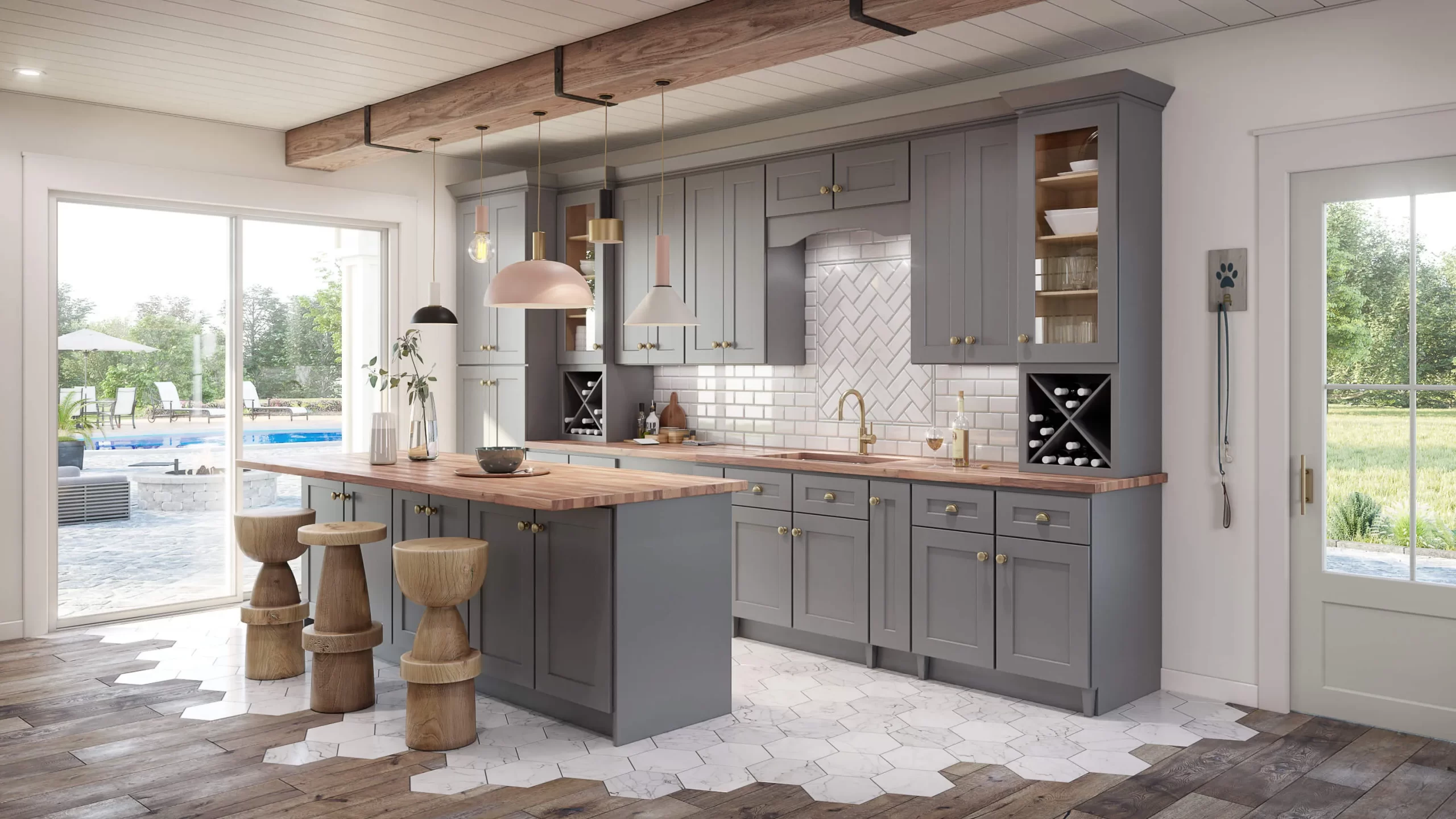
Shaker cabinets are a strong example of a design that continues to perform well because they combine simplicity, flexibility, and timeless appearance.
Benefits of choosing popular styles include:
- Broader customer appeal
- Easier design coordination
- Better market acceptance
- Long-term relevance
For builders and dealers, selecting proven cabinet styles can support stronger project outcomes.
Importance of Product Consistency for Multiple Projects
Contractors and builders often complete several projects using similar cabinet products. This makes consistency a critical quality factor.
A reliable supplier should provide cabinets with:
- Matching finishes
- Consistent dimensions
- Reliable construction standards
- Repeat availability
Inconsistent products can create installation challenges and affect the final appearance of completed projects.
Working with a dependable wholesale cabinet supplier helps businesses maintain consistent quality across multiple installations.
Review Supplier Manufacturing Standards
Before partnering with a cabinet supplier, professional buyers should understand the supplier’s approach to manufacturing and quality control.
Important questions include:
- How are cabinets constructed?
- What materials are used?
- How is quality checked?
- Are products tested before shipment?
A supplier with strong quality processes is more likely to provide reliable products consistently.
Professional buyers should look for suppliers that prioritize long-term performance rather than simply focusing on low-cost production.
Check Product Availability and Supply Reliability
Quality cabinets are only useful when they are available when projects require them.
Supply reliability is an important part of cabinet quality because delays can affect construction schedules and customer satisfaction.
Professional buyers should evaluate:
- Inventory availability
- Order processing speed
- Delivery reliability
- Repeat ordering capability
A supplier that maintains dependable inventory helps contractors and builders complete projects more efficiently.
Evaluate Cabinet Installation Requirements
Installation quality depends not only on the installer but also on how well the cabinets are designed.
Professional buyers should consider:
- Assembly requirements
- Installation instructions
- Cabinet dimensions
- Compatibility with project layouts
Cabinets that are accurately manufactured and properly designed help installers work more efficiently.
Clear specifications and reliable construction reduce installation challenges.
Why Low-Cost Cabinets Can Create Problems
While budget considerations are important, choosing cabinets based only on the lowest price can create long-term issues.
Lower-quality cabinets may lead to:
- Frequent repairs
- Replacement costs
- Installation difficulties
- Customer dissatisfaction
For contractors and builders, these problems can affect profitability and reputation.
Smart buyers focus on value rather than simply choosing the cheapest available option.
The best cabinet investment balances price, durability, performance, and supplier support.
How Contractors Can Test Cabinet Quality Before Ordering
Before committing to large purchases, professional buyers should evaluate cabinet samples whenever possible.
Testing products allows contractors to review:
- Construction quality
- Finish appearance
- Hardware operation
- Overall durability
Sample evaluation is especially useful for builders planning larger developments.
Understanding product quality before placing major orders reduces risks and improves decision-making.
The Role of Supplier Support in Cabinet Quality
Quality does not end when cabinets are manufactured. Supplier support also influences the overall purchasing experience.
Professional buyers benefit from suppliers that provide:
- Clear communication
- Product information
- Ordering assistance
- Problem resolution
A supplier that supports customers throughout the process helps businesses manage projects more effectively.
Strong service combined with quality products creates a better overall partnership.
Why LineCraft Cabinetry Supports Quality-Focused Buyers
LineCraft Cabinetry understands that contractors, builders, and dealers need cabinet solutions that provide both visual appeal and dependable performance.
The company focuses on supporting professional buyers with cabinet options designed for real-world projects. Quality construction, reliable supply, and professional service help businesses complete installations with confidence.
For companies searching for a dependable wholesale kitchen cabinets supplier, choosing a partner that values quality standards is essential.
A reliable cabinet source helps professionals protect their reputation and deliver better results to customers.
Building a Smart Cabinet Purchasing Strategy
Successful cabinet purchasing requires careful evaluation. Professional buyers should create a checklist that considers product quality, supplier reliability, pricing, and long-term value.
A smart purchasing strategy includes:
- Reviewing cabinet construction
- Comparing supplier options
- Testing product quality
- Confirming availability
- Evaluating long-term support
Taking time to research suppliers helps businesses avoid problems and create more successful projects.
Final Thoughts
Cabinet quality plays a major role in project success. For contractors, builders, and dealers, choosing reliable cabinets helps create better installations, satisfied customers, and stronger business results.
A smart buyer evaluates more than appearance and price. Construction quality, hardware, finishes, availability, and supplier support all contribute to the overall value of a cabinet product.
By using a detailed cabinet quality checklist and working with a dependable supplier, professionals can make better purchasing decisions and deliver reliable kitchen solutions.
The right cabinets are not only about design—they are about performance, consistency, and long-term value.
Frequently Asked Questions
What should buyers check when evaluating cabinet quality?
Buyers should review cabinet construction, materials, hardware, finishes, and supplier reliability. These factors determine how cabinets perform over time and whether they can meet professional project requirements.
Are expensive cabinets always better quality?
Not always. Price alone does not determine cabinet quality. Buyers should evaluate construction methods, materials, hardware, durability, and supplier reputation to determine the true value of a cabinet product.
Why is cabinet consistency important for builders?
Cabinet consistency helps builders maintain the same appearance and quality standards across multiple projects. Reliable products reduce installation issues and create a better experience for homeowners.
How can contractors choose a reliable cabinet supplier?
Contractors should evaluate product quality, inventory availability, delivery performance, communication, and industry experience before choosing a supplier. A dependable partner should support both current and future projects.