
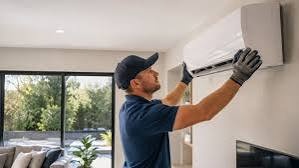
AC Maintenance Services: Keep Your Cooling System Efficient in 2026
A reliable air conditioning system is essential for maintaining indoor comfort, especially in regions where warm weather lasts for much of the year. However, even a high-quality AC unit can lose efficiency and reliability when routine maintenance is neglected. Dust, restricted airflow, worn components, and drainage issues can gradually affect performance and increase the likelihood of unexpected breakdowns.
Professional AC Maintenance Services offer a proactive way to protect cooling equipment, improve system performance, and maintain a more comfortable indoor environment. In 2026, regular AC care is becoming less about waiting for a problem and more about managing the complete system before small issues become expensive repairs.
Why Regular AC Maintenance Matters
An air conditioner contains several components that must work together to cool and dehumidify indoor spaces. Filters, coils, fans, electrical connections, refrigerant components, thermostats, and drainage systems all influence how well the unit performs.
Over time, normal operation can lead to dust accumulation, reduced airflow, electrical wear, and other performance concerns. If these issues remain unaddressed, the system may need to operate longer to achieve the desired temperature.
Routine maintenance allows HVAC professionals to inspect the system, identify potential problems, and ensure that important components are operating as intended. Although maintenance cannot prevent every possible breakdown, it can reduce avoidable problems and support more consistent performance.
What Does AC Maintenance Include?
The exact maintenance process depends on the equipment type, age, condition, and manufacturer’s recommendations. A professional service appointment may include several important checks, such as:
- Inspecting and replacing or cleaning air filters
- Checking thermostat operation
- Evaluating airflow
- Cleaning appropriate coils and components
- Inspecting electrical connections
- Checking condensate drains
- Examining refrigerant-related components
- Reviewing system operating performance
- Inspecting indoor and outdoor equipment
- Identifying unusual noises, leaks, or wear
A thorough inspection should focus on the condition of the system rather than simply completing a basic checklist. If a problem is discovered, the technician should explain the issue and discuss suitable repair options.
Signs Your AC May Need Maintenance
Homeowners often wait until an air conditioner stops working before calling for service. However, several warning signs may indicate that the system needs attention sooner.
These signs include:
- Reduced or uneven airflow
- Longer cooling cycles
- Unusual sounds or odors
- Frequent on-and-off cycling
- Higher-than-normal energy bills
- Water near the indoor unit
- Inconsistent room temperatures
- Poor humidity control
- Difficulty reaching the thermostat setting
- Repeated minor repairs
These symptoms can have different causes. For instance, poor airflow may result from a dirty filter, ductwork issue, blower problem, or another restriction. Professional diagnosis helps determine the actual cause instead of relying on assumptions.
AC Maintenance Supports Energy Efficiency
Energy efficiency is an important consideration for homeowners and businesses in 2026. An air conditioner that is poorly maintained may consume more energy because it has to work harder or run longer to provide the same level of cooling.
Maintenance can help identify conditions that may reduce efficiency, such as restricted airflow, dirty components, faulty controls, or drainage problems. Keeping the system in good working order can support more predictable operation and may help reduce unnecessary energy consumption.
However, energy bills are influenced by several factors, including outdoor temperatures, thermostat settings, insulation, occupancy, equipment age, and utility rates. Maintenance is one part of a broader energy-efficiency strategy.
Humidity Control Is Also Important
Air conditioning systems do more than lower indoor temperatures. During normal cooling operation, they also remove moisture from indoor air. This is particularly important in warm and humid climates.
When an AC system is not operating correctly, indoor humidity may become less comfortable. Problems involving airflow, coils, refrigerant, drainage, or equipment capacity can affect the system’s ability to manage moisture.
Regular maintenance helps professionals evaluate whether the system is functioning properly. Homeowners can also support humidity control by keeping doors and windows closed while the AC is running and addressing visible moisture issues promptly.
The Role of Filters and Airflow
Air filters are among the easiest HVAC components for homeowners to monitor. A clogged or dirty filter can restrict airflow and cause the system to work harder.
The appropriate filter type and replacement schedule depend on the equipment and indoor conditions. Homes with pets, renovations, or higher dust levels may require more frequent attention.
A filter should not be selected solely because it has the highest filtration rating. Excessively restrictive filters may not be suitable for every HVAC system. Following manufacturer guidance and consulting an HVAC professional can help homeowners choose an appropriate option.
Smart HVAC Technology in 2026
Modern AC systems increasingly include smart thermostats, variable-speed technology, advanced sensors, and improved control options. These features can provide more precise temperature management and greater visibility into system operation.
Smart thermostats may help homeowners create schedules based on occupancy and daily routines. Variable-speed equipment can adjust operation more gradually, potentially improving comfort and efficiency under suitable conditions.
Nevertheless, advanced technology does not remove the need for maintenance. Sensors, controls, motors, coils, electrical components, and refrigerant systems still require proper inspection and care.
When Should AC Maintenance Be Scheduled?
The ideal maintenance schedule depends on the system and how frequently it operates. Many homeowners choose to schedule professional service before periods of heavy cooling demand. This provides an opportunity to address potential concerns before the system is working at maximum capacity.
Properties with older equipment, frequent usage, pets, renovation dust, or a history of repairs may benefit from more frequent inspections.
In addition to professional service, homeowners should pay attention to changes in system performance. Unusual sounds, odors, leaks, or inconsistent cooling should not be ignored.
Choosing a Reliable AC Maintenance Provider
When selecting a company for AC Maintenance Services, look for a provider that offers thorough inspections, clear communication, and practical recommendations. A dependable HVAC professional should explain what was checked, identify any concerns, and distinguish between urgent repairs and optional improvements.
It is also useful to choose a company that provides a complete range of HVAC services. If maintenance reveals an airflow problem, thermostat issue, duct concern, or equipment fault, having access to broader expertise can simplify the repair process.
Protect Your Cooling Investment
An air conditioning system is a significant investment, and regular care can help protect that investment over time. Maintenance supports reliable operation, helps identify developing issues, and provides an opportunity to improve system performance before a breakdown occurs.
For homeowners and businesses considering AC Maintenance Services, a proactive approach can provide greater peace of mind throughout the cooling season. In 2026, effective HVAC care combines professional inspections, suitable filters, smart controls, efficient equipment, and timely repairs.
By treating maintenance as an ongoing part of property care rather than an emergency-only service, property owners can work toward a cooler, more efficient, and more comfortable indoor environment all year long.