
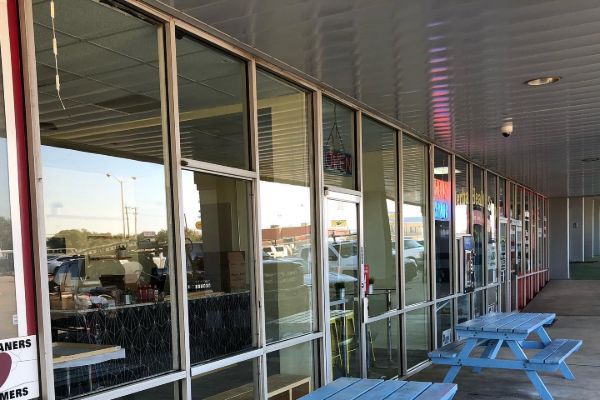
Restaurant Window Cleaning: How to Build a Maintenance Plan That Works
A clean restaurant should look inviting from every angle. Customers notice the dining area, entrance, tables, floors, and even the windows as they enter. While windows may not seem like the most important part of restaurant maintenance, dirty glass can affect the overall appearance of a property.
Fingerprints, dust, grease, water spots, and outdoor debris can build up quickly on restaurant windows. Without regular care, glass can become dull and difficult to clean. Creating a simple window cleaning maintenance plan can help restaurant owners and managers keep their property looking fresh throughout the year.
Why Restaurant Window Cleaning Matters
Windows are highly visible surfaces. Storefront glass is often one of the first things customers see when they approach a restaurant. Clean glass can create a brighter and more welcoming appearance, while dirty windows can make the property look less maintained.
Inside the restaurant, clear windows can allow more natural light into dining areas. This can make the space feel more open and comfortable. Customers may also spend considerable time sitting near windows, which means streaks, fingerprints, and buildup can be easy to notice.
Regular restaurant window cleaning is therefore part of maintaining a clean and professional environment.
What Makes Restaurant Windows Different?
Restaurant windows can become dirty for several reasons. Unlike windows in many homes, commercial restaurant glass is exposed to high customer traffic and frequent activity.
Entrance doors may be touched hundreds of times during a busy day. Dining room windows can collect fingerprints, dust, and marks from regular activity. Windows near cooking areas may also be affected by grease and airborne residue.
Exterior glass faces another set of challenges. Rain, pollen, dust, pollution, and debris can gradually cover the surface.
Because of these factors, restaurants often benefit from a cleaning schedule that is more consistent than occasional window washing.
What Is a Window Cleaning Maintenance Plan?
A window cleaning maintenance plan is a schedule that organizes regular inspections and cleaning for different glass surfaces around a restaurant. It helps prevent windows from being overlooked during busy operations.
The plan should consider how frequently each area is used and how quickly dirt builds up. Entrance glass may need attention much more often than windows in areas that customers rarely see.
A practical plan can include routine checks, spot cleaning, scheduled interior cleaning, and periodic exterior service.
Start With a Window Inspection
Before creating a schedule, inspect the entire property. Look at entrance doors, storefront windows, dining area glass, kitchen area windows, and exterior surfaces.
Pay attention to areas with visible fingerprints, grease, dust, water spots, and other buildup. Also identify windows that are difficult to reach.
This inspection provides a starting point for deciding how frequently each area should be cleaned.
How Often Should Restaurant Windows Be Cleaned?
There is no single cleaning frequency that works for every restaurant. The right schedule depends on the property’s location, customer traffic, weather conditions, window size, and surrounding environment.
A restaurant on a busy street may experience more dust and pollution than one in a quieter area. A property surrounded by trees may collect more pollen and natural debris. Restaurants with large glass entrances may also need frequent spot cleaning.
A maintenance plan should be flexible enough to account for these differences.
High Traffic Glass
Entrance doors and frequently touched glass usually need more attention. Fingerprints and smudges can appear quickly, especially during busy meal periods.
Staff can perform simple spot checks throughout the day. More thorough cleaning can then be handled according to the regular schedule.
Dining Area Windows
Dining area windows should be checked regularly because customers may sit close enough to notice marks and streaks.
Clean glass can also help natural light enter the dining space more clearly. Keeping these windows clean contributes to the overall appearance of the restaurant.
Exterior Windows
Exterior windows may not require daily attention, but they should be included in a consistent maintenance schedule. Weather and environmental conditions can cause dirt to accumulate over time.
Regular exterior cleaning helps keep the restaurant looking presentable from sidewalks, parking areas, and nearby roads.
Common Problems That Affect Restaurant Windows
Different types of buildup require different levels of attention. Recognizing these problems can help restaurant managers adjust their maintenance plans.
Some common issues include:
- Fingerprints and smudges around doors, handles, and other high traffic areas.
- Grease, dust, pollen, rain spots, and environmental residue on interior and exterior glass.
Water spots can become especially noticeable when water repeatedly dries on the surface. In some cases, buildup may become harder to remove if it is ignored for a long time.
Regular cleaning helps prevent these issues from becoming more difficult to manage.
Build a Daily Cleaning Routine
A daily routine does not have to involve cleaning every window from top to bottom. Instead, restaurant staff can check the most visible areas during normal cleaning duties.
Entrance glass, customer facing doors, and other high traffic surfaces can be inspected for fingerprints and obvious marks.
If a noticeable spot appears during the day, addressing it promptly can help maintain the restaurant’s appearance until the next scheduled professional cleaning.
Schedule Deeper Cleaning
Daily spot cleaning is useful, but it should not replace deeper window cleaning. Over time, small amounts of dust, grease, and residue can build up even when glass looks reasonably clean.
Scheduled professional cleaning can address both interior and exterior surfaces more thoroughly.
The exact frequency should be based on the restaurant’s needs. Some properties may require more frequent service because of heavy traffic or environmental exposure, while others may need service less often.
Consider Seasonal Changes
Weather conditions can change the cleaning needs of a restaurant. Spring may bring pollen and plant debris. Dry weather can increase dust, while rainy periods may leave water spots on glass.
Restaurant managers should review their maintenance plan as seasons change. A schedule that works during one part of the year may not provide the same results during another.
Seasonal inspections can help identify areas that need additional attention.
Do Not Ignore Hard to Reach Windows
Some restaurant windows may be located above entrances, large dining areas, or other difficult locations. These surfaces should be included in the maintenance plan even if they are not easy for staff to access.
Employees should not be expected to perform tasks that require specialized equipment or create unnecessary safety risks.
Professional window cleaners can handle difficult areas using appropriate tools and safety practices. This can help maintain the entire property instead of focusing only on easily accessible glass.
Keep Track of Cleaning Services
A simple cleaning record can make restaurant maintenance easier. Managers can record service dates and note any areas that required additional attention.
This information can help identify patterns. If one group of windows becomes dirty faster than others, the schedule can be adjusted accordingly.
Keeping records also makes it easier to prepare for special events, busy seasons, or changes in restaurant operations.
The Benefits of Staying Consistent
A consistent window cleaning schedule can make property maintenance more predictable. Instead of waiting until glass becomes heavily soiled, restaurant managers can address cleaning before buildup becomes obvious.
Regular service can also help maintain the appearance of storefront glass throughout the year. This is particularly useful for restaurants that depend on visible storefronts to attract passing customers.
Clean windows are only one part of restaurant maintenance, but they contribute to the overall presentation of the property.
Final Thoughts
Restaurant windows deserve regular attention because they are exposed to fingerprints, dust, grease, weather, and everyday customer activity. A clear and practical window cleaning maintenance plan can help restaurant owners keep both interior and exterior glass looking presentable.
The ideal schedule will depend on the restaurant’s traffic, location, environment, and type of windows. Regular inspections, quick spot cleaning, seasonal adjustments, and scheduled professional service can work together to maintain cleaner glass throughout the year.
Bright And Shiny can support restaurants with professional window cleaning services that fit the needs of commercial properties. With a consistent approach to restaurant window cleaning, restaurant owners can maintain a cleaner appearance and create a more welcoming environment for their customers.