
Transform Your Outdoor Space With a Greener, Easier Lawn
A green lawn can make a property look fresh, welcoming, and well cared for. However, keeping natural grass healthy can take considerable time and effort. Regular mowing, watering, trimming, fertilizing, and dealing with dry or damaged areas can become a constant part of property maintenance.
For many homeowners and businesses, artificial turf offers another way to create an attractive outdoor space. Modern artificial grass can provide a realistic appearance while reducing several of the routine tasks associated with natural lawns. It can also be useful in areas where maintaining healthy grass is difficult.
If you are considering artificial grass installation in Dallas TX, learning about the preparation process, material options, drainage, maintenance, and long term care can help you decide whether synthetic turf is suitable for your property.
What Makes Artificial Grass an Attractive Option?
Artificial grass is designed to provide the appearance of a green lawn without requiring the grass to grow. This makes it different from traditional sod, which is living grass that needs suitable soil, water, sunlight, and ongoing care.
One reason property owners consider synthetic turf is its consistent appearance. Natural grass can change with weather, foot traffic, watering habits, and seasonal conditions. Artificial grass can maintain a more uniform look when properly installed and cared for.
It can also reduce some common lawn maintenance tasks. There is no need to mow growing turf, and regular watering for grass growth is not required. However, artificial grass still benefits from cleaning and occasional maintenance.
Understanding Dallas Outdoor Conditions
Before choosing any landscaping material, it is important to consider the local environment. Dallas properties can experience hot temperatures and periods of dry weather, which may make traditional lawn care more demanding.
The condition of the existing ground is also important. Soil may be compacted, uneven, or affected by drainage problems. Simply placing turf over an unsuitable surface can result in an uneven finished lawn.
A proper assessment can identify areas that need attention before installation begins. This can include low spots, existing vegetation, soil conditions, drainage paths, and areas that receive heavy foot traffic.
Think About Your Property’s Purpose
Every lawn has different needs. A front yard used mainly for appearance may require different turf characteristics than a backyard where children and pets regularly play.
Before choosing artificial grass, consider how the space will be used throughout the year. Think about foot traffic, furniture, pets, outdoor activities, and any other features that may affect the surface.
These details can help determine which turf product and installation approach make sense for the property.
Selecting the Right Artificial Grass
Not all artificial grass products are identical. They can vary in blade height, density, texture, color, backing, and construction.
A realistic appearance is often a major consideration, but appearance should not be the only factor. The product should also be suitable for the way the lawn will be used.
Look Beyond Color
Different turf products can have different shades of green and blade designs. Some are made to closely resemble freshly maintained natural grass, while others are designed for specific applications.
It is helpful to view samples in person when possible. Looking at the material under natural light can provide a better idea of how it may appear once installed across a larger area.
Consider Traffic and Durability
High traffic areas may need turf designed to handle frequent use. If the surface will be used by children, pets, or guests, durability and comfort may be more important than choosing a product based solely on appearance.
A suitable product should balance appearance, intended use, maintenance needs, and expected longevity.
Preparing the Ground Properly
Ground preparation is one of the most important parts of an artificial turf project. The finished lawn can only be as stable and attractive as the surface underneath it.
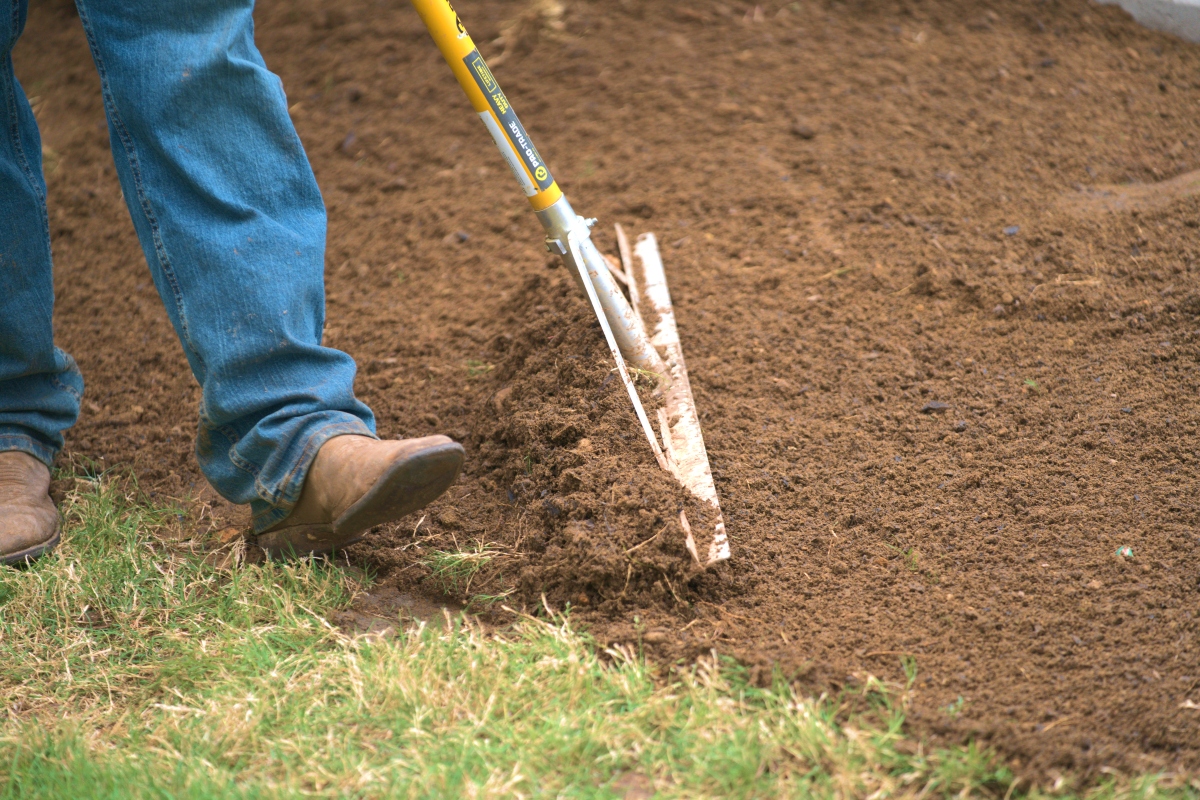
Existing grass, weeds, roots, rocks, and unwanted material generally need to be removed. The area may then need to be shaped and leveled to create an appropriate foundation.
A stable base helps reduce movement and uneven areas. Proper compaction is also important because loose material beneath the turf can contribute to dips and changes in the surface over time.
Why Drainage Matters
Water needs a suitable path away from the lawn. Poor drainage can lead to standing water, muddy areas around the edges, and other problems.
Before installation, areas where water regularly collects should be identified. Downspouts and natural slopes should also be considered as part of the overall landscape plan.
Good drainage planning can help the finished turf remain cleaner and more functional during periods of rainfall.
What Happens During Installation?
Once the ground has been prepared, the artificial grass can be measured, positioned, and fitted to the area. Accurate measurements are important because the turf needs to follow the shape of the landscape.
Where multiple pieces are required, the sections must be joined carefully. Visible seams can affect the appearance of the finished lawn, so accurate placement and proper installation methods matter.
The edges should also be secured appropriately. This helps keep the turf in place and creates a cleaner transition between the lawn and surrounding surfaces.
Depending on the product, infill may be added after installation. Infill can support turf fibers and contribute to the overall performance of the surface.
Comparing Artificial Grass With Natural Sod
Property owners searching for landscaping sod installation near me may be deciding between natural sod and artificial grass. Both can improve the appearance of a property, but they work in different ways.
Natural sod provides living grass and can create a traditional lawn appearance. It needs regular care, including watering, mowing, fertilizing, and attention to weeds and other lawn issues.
Artificial grass does not grow, so mowing is not necessary. It can maintain its green appearance without the same watering requirements as natural grass. However, it still needs occasional cleaning and care.
The right option depends on the property, the owner’s preferences, the intended use, and the amount of time available for lawn maintenance.
How to Maintain Artificial Grass
One common misconception is that artificial turf requires absolutely no maintenance. While it can reduce many lawn care tasks, basic upkeep is still useful.
Leaves, dirt, dust, and other debris can accumulate on the surface. Regular removal can help keep the lawn looking clean and attractive.
Pet owners may need a more consistent cleaning routine. Spills and other messes should also be addressed promptly.
A basic maintenance routine can include:
- Remove leaves and debris regularly, rinse areas when needed, clean pet waste promptly, and check frequently used sections for visible changes.
- Brush turf fibers when necessary, inspect seams and edges, clear surrounding drainage areas, and address small problems before they become more difficult to repair.
Where Can Artificial Turf Be Used?
Artificial grass can be used in many outdoor spaces. Residential lawns are one common application, but it can also be considered for smaller landscape areas, pet spaces, recreational areas, commercial properties, and locations where natural grass has difficulty growing.
The best application depends on the property and the specific turf product. Areas with unusual slopes, drainage challenges, or heavy traffic may require additional planning.
Creating a Complete Landscape
Artificial grass should fit naturally with the rest of the outdoor design. Walkways, patios, flower beds, trees, fences, and outdoor living areas can all affect how the finished lawn looks.
Clean transitions between turf and other surfaces can make the entire landscape feel more organized. Careful planning can also help ensure that the lawn remains practical for everyday use.
Choosing an Installation Professional
The installation company you choose can have a significant effect on the finished result. Before hiring a contractor, ask about their experience, preparation process, turf products, drainage approach, and installation methods.
It is also useful to look at previous projects and understand exactly what is included in the estimate. A detailed quote can make it easier to compare services and avoid unexpected costs.
Rather than focusing only on the initial price, consider the materials, preparation, workmanship, and expected maintenance involved in the project.
Is Artificial Grass Right for Your Property?
Artificial turf can be a practical option for property owners who want a consistently green outdoor surface with fewer routine lawn care responsibilities. However, it is important to consider the complete project rather than focusing only on the appearance of the turf.
The quality of the foundation, drainage, materials, installation, and maintenance can all influence the finished result. Taking time to evaluate these factors can help you choose an option that fits your property and lifestyle.
Conclusion
A well planned lawn can improve the appearance and usability of an outdoor space. Whether you are researching artificial grass installation in Dallas TX or looking for landscaping sod installation near me, understanding the differences between natural sod and artificial turf can help you choose an appropriate solution.
For property owners who want guidance with lawn improvement, material selection, site preparation, and installation, Texas Sod Pros can help create an outdoor space that is attractive, practical, and suited to the property’s needs.