
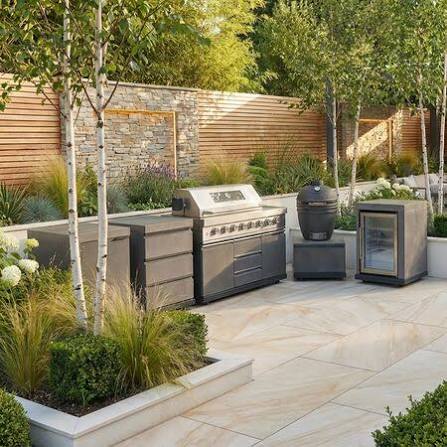
How Modular Outdoor Kitchens Work With Existing Patios?
A well-designed outdoor kitchen does not always require tearing out an existing patio. Modular systems can be built around the patio’s current layout, making it possible to add cooking, prep, storage, and entertaining features without starting from scratch. Whether you need a new cooking station or are planning upgrades alongside outdoor grill repair Meridian ID, modular outdoor kitchens offer a flexible way to improve an existing backyard space while keeping much of the patio intact.
What Is a Modular Outdoor Kitchen?
A modular outdoor kitchen is made from individual components that are designed to work together. Instead of constructing every cabinet, counter, and appliance permanently on-site, homeowners can combine prefabricated sections based on the available space.
Common modular components include:
- Outdoor kitchen cabinets
- Built-in or freestanding grills
- Countertops
- Storage cabinets and drawers
- Sinks and prep stations
- Refrigerators and beverage coolers
- Side burners
- Trash and recycling storage
- Bar seating and serving counters
Because these components are manufactured in sections, they can often be arranged to suit the dimensions and shape of an existing patio.
How Modular Kitchens Fit Existing Patios
One of the biggest advantages of modular outdoor kitchens is their ability to adapt to the patio you already have. Instead of changing the entire outdoor area, the kitchen is planned around existing hardscaping.
Before installation, the patio should be evaluated for its dimensions, surface condition, drainage, access points, and available utilities. The location of doors, steps, walls, fences, and existing seating areas can also affect the kitchen layout.
For example, an unused corner of a rectangular patio could accommodate an L-shaped kitchen. A long wall may work better with a straight-line cooking station, while a larger patio might allow for a U-shaped arrangement or a kitchen island.
Why Existing Patio Condition Matters
An existing patio provides the foundation for your outdoor kitchen, so its condition should be assessed before adding heavy components.
Look for:
- Cracks or uneven sections
- Poor drainage
- Standing water
- Loose pavers
- Settlement or shifting
- Surface deterioration
- Insufficient load-bearing capacity
Minor problems may be repairable before installation, while significant structural issues may require more extensive patio work.
A level and stable surface helps modular cabinets and appliances sit correctly. It also reduces the risk of doors, drawers, countertops, or appliances becoming misaligned over time.
Planning Utilities Around the Patio
Outdoor kitchens need more than cabinets and countertops. Depending on the design, you may need electricity, gas, water, drainage, and lighting.
The existing patio can influence how these utilities are installed. If electrical or plumbing lines already run nearby, the kitchen can potentially be positioned to take advantage of them. However, utility work should be properly planned rather than improvised after the kitchen components arrive.
Gas appliances also require appropriate connections and ventilation. Electrical outlets should be suitable for outdoor use and installed according to applicable safety requirements.
Planning utilities before installation can prevent unnecessary changes to the patio and help create a cleaner finished appearance.
Choosing the Right Modular Layout
The patio’s shape is one of the most important factors when selecting a kitchen configuration.
Straight Outdoor Kitchen
A straight layout works well along the edge of a patio or against an exterior wall. It provides a compact cooking and preparation area without taking up too much floor space.
L-Shaped Outdoor Kitchen
An L-shaped configuration uses two connected sections to create separate cooking and preparation zones. It can make effective use of an unused patio corner while leaving the center open for seating.
U-Shaped Outdoor Kitchen
U-shaped designs provide extensive countertop and storage space. They are generally better suited to larger patios where the additional cabinetry will not interfere with movement.
Outdoor Kitchen Island
An island can become the focal point of a patio. It may include a grill, storage, seating, or additional preparation space while allowing people to gather around the kitchen.
Keeping Patio Traffic Flow Open
A modular kitchen should improve the patio rather than make it difficult to navigate.
Consider how people currently move through the space. Doors should be able to open fully, walkways should remain accessible, and seating areas should have enough room for people to move around comfortably.
The grill should also be positioned so smoke and heat are appropriately managed. Keeping cooking equipment away from areas where people frequently pass can make the space more comfortable and functional.
A professional layout can balance cooking zones with dining and entertaining areas without overwhelming the existing patio.
Matching the Kitchen to Existing Patio Materials
A modular kitchen does not have to look disconnected from the rest of the backyard.
Countertop materials, cabinet finishes, hardware, and colors can be selected to complement existing patio features. For example, a patio with natural stone can be paired with complementary countertop textures, while a modern concrete patio may suit clean-lined cabinets and contemporary finishes.
Matching materials does not necessarily mean using identical materials. Coordinated colors, textures, and architectural details can create a cohesive outdoor living area.
Adding Appliances Without Rebuilding Everything
Another benefit of modular construction is the ability to select appliances based on actual cooking needs.
A basic setup might include a grill, countertop, and storage. A larger entertaining area could include a refrigerator, sink, side burner, warming drawer, or beverage station.
Existing patio dimensions should guide appliance selection. Oversized appliances can reduce usable counter space and make a compact patio feel crowded.
The goal is to create an efficient work triangle between storage, preparation, and cooking areas while preserving enough open space for guests.
Preparing a Modular Outdoor Kitchen for Winter
Weather protection is an important part of maintaining an outdoor kitchen in Idaho. Before cold temperatures arrive, homeowners should clean cooking surfaces, protect appliances, inspect connections, and address potential water exposure.
If you are searching for winterize outdoor kitchen Meridian ID, start by determining which components need seasonal protection. Water lines may require special attention, while removable accessories and outdoor equipment may benefit from being stored in a dry location.
Proper winter preparation can help reduce weather-related wear and make the kitchen easier to reopen when warmer weather returns.
Maintaining the Grill and Outdoor Kitchen
Regular maintenance is essential even when a modular kitchen is installed on an existing patio. Grease should be cleaned from cooking surfaces, burners should be inspected, and cabinet hardware should be checked periodically.
Outdoor grills can eventually experience ignition problems, burner issues, corrosion, or uneven heating. Addressing these problems early can help extend the useful life of the appliance.
The surrounding countertop and cabinet surfaces should also be cleaned using products appropriate for their materials. Routine maintenance is particularly important in areas exposed to snow, rain, dust, and temperature changes.
Benefits of Installing a Modular Kitchen on an Existing Patio
Using an existing patio as the foundation for a modular kitchen can provide several practical benefits:
- Less disruption: Much of the existing patio can remain in place.
- Flexible layouts: Individual modules can be arranged according to available space.
- Scalable design: Additional components may be added as needs change.
- Efficient installation: Prefabricated sections can simplify construction.
- Better space utilization: Unused patio corners and edges can become functional cooking zones.
- Customized features: Appliances and storage can be selected based on how the kitchen will be used.
These advantages make modular kitchens an option worth considering for homeowners who want to expand their outdoor living space without completely redesigning the patio.
Is a Modular Outdoor Kitchen Right for Your Patio?
The answer depends on the patio’s condition, available space, utility access, cooking habits, and desired features. A small patio may benefit from a compact straight-line kitchen, while a larger outdoor area could accommodate an island or L-shaped configuration.
The most important step is to evaluate the existing space before choosing individual components. Measurements, utility locations, drainage, ventilation, and traffic flow should all be considered as part of the design.
Final Thoughts
A modular outdoor kitchen can transform an existing patio into a practical cooking and entertaining area without requiring a complete backyard renovation. By designing around the patio’s current structure, homeowners can add grills, countertops, storage, appliances, and seating while maintaining the character and functionality of the existing space.
With careful planning, appropriate utility connections, suitable materials, and regular maintenance, a modular outdoor kitchen can become a long-term extension of the home’s living space. The key is to treat the existing patio as part of the design rather than something that must automatically be replaced.