
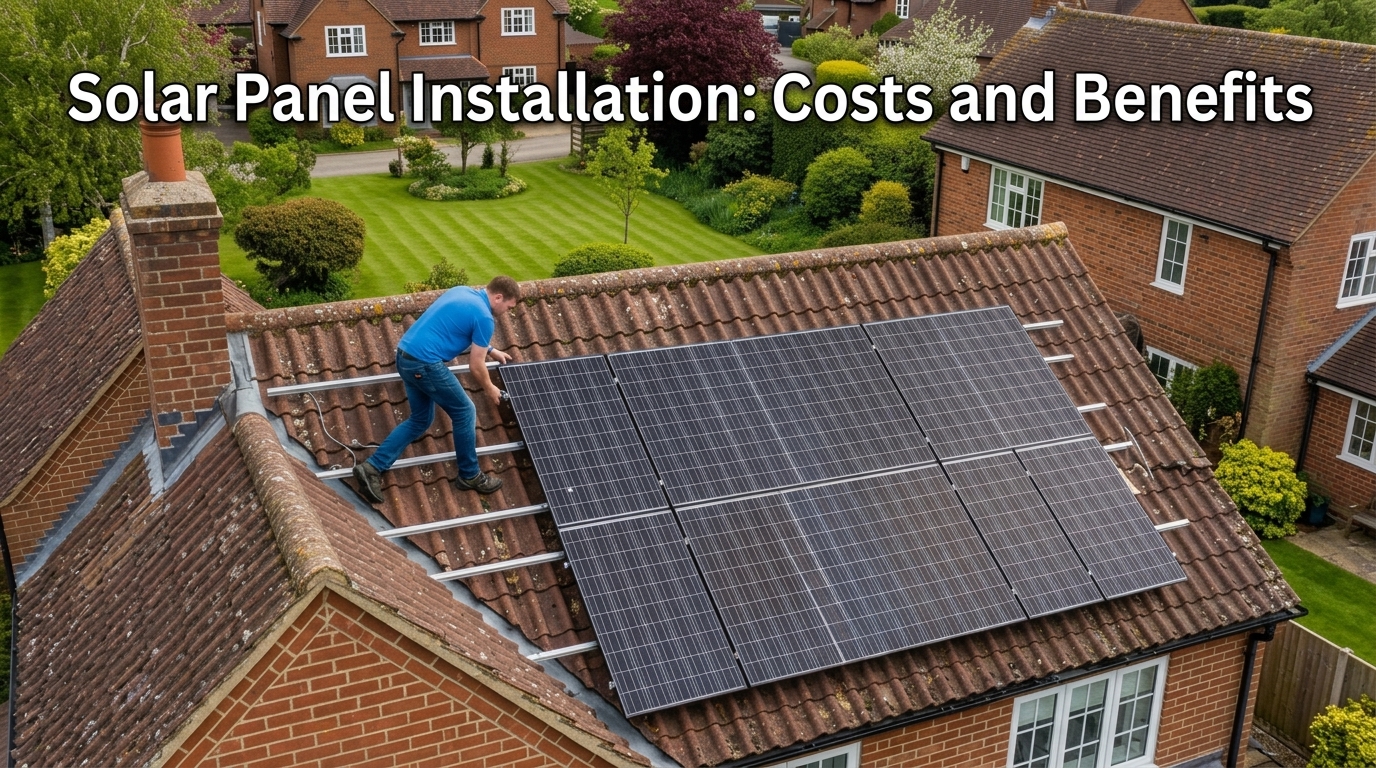
Solar Panel Installation: Costs and Benefits
Solar energy is becoming an increasingly popular option for UK homeowners who want to generate their own electricity and reduce their reliance on the grid. Professional Solar Panel Installation Services can help homeowners choose an appropriate system, understand the installation process and make better use of renewable energy. While the UK is not known for year-round sunshine, modern solar panels can generate electricity from daylight throughout the year, making solar power a practical consideration for many properties.
Before investing in a solar PV system, it is important to understand the potential costs, benefits, installation requirements and factors that can affect overall performance.
What Is Solar Panel Installation?
Solar panel installation involves fitting photovoltaic (PV) panels to a suitable area of a property, most commonly the roof. The panels absorb energy from daylight and convert it into electricity for household use.
A typical domestic solar system can include:
- Solar PV panels
- Mounting brackets and rails
- An inverter
- Electrical cabling
- Monitoring equipment
- Battery storage, if required
The electricity generated can be used to power appliances, lighting and other electrical equipment in the home. If the panels produce more electricity than the household needs at a particular time, surplus energy may be stored in a battery or exported to the grid, depending on the homeowner’s setup and electricity arrangements.
How Much Does Solar Panel Installation Cost?
The cost of solar panel installation varies from one property to another. There is no single price that applies to every UK home because system size, equipment and installation requirements can differ considerably.
Some of the main factors affecting the overall cost include:
System Size
A larger household with higher electricity consumption may require more panels and a higher-capacity system. Smaller homes may need fewer panels.
Panel Type and Quality
Different solar panels have different efficiency levels, specifications and warranties. Higher-performing products can affect the initial investment.
Roof Design
A straightforward roof may be easier and quicker to work on. Complex roof designs, difficult access or additional structural requirements can increase installation costs.
Inverter
The inverter is an important part of a solar PV system because it converts the electricity generated by the panels into usable electricity for the home. Different inverter technologies and capacities can affect the overall price.
Battery Storage
Adding a battery increases the initial cost but can allow homeowners to store some excess solar electricity for later use.
For these reasons, homeowners should request a property-specific quotation rather than relying entirely on a general online estimate.
What Are the Main Benefits of Solar Panels?
Installing solar panels can provide several potential benefits for UK households.
1. Generate Your Own Electricity
One of the biggest advantages is the ability to generate electricity on your own property. Instead of relying entirely on electricity supplied through the grid, solar panels allow you to produce some of your household’s power.
This can be particularly useful during daylight hours when the system is generating electricity.
2. Potentially Reduce Electricity Bills
Using solar-generated electricity can reduce the amount of electricity a household needs to purchase from its supplier.
The actual savings depend on factors such as:
- System size
- Household electricity consumption
- Solar generation
- Time of electricity use
- Energy prices
- Battery storage
Homes that use more of their generated electricity directly may be able to make greater use of the energy produced by their system.
3. Use Renewable Energy
Solar power is a renewable source of energy. Unlike finite fossil fuels, sunlight is naturally replenished.
By generating electricity from solar energy, homeowners can incorporate renewable energy into their household’s overall energy strategy.
4. Potentially Increase Energy Independence
Generating electricity at home can reduce reliance on grid electricity to some extent. While most homes will remain connected to the grid, solar generation can provide an additional source of electricity during periods of daylight.
What Affects Solar Panel Performance?
Installing panels is only part of the equation. Their performance can be influenced by several property and environmental factors.
Roof Orientation
The direction your roof faces can affect the amount of sunlight available to the panels. South-facing roofs can provide favourable conditions in the UK, although east- and west-facing roofs may also be suitable.
Shading
Trees, neighbouring buildings, chimneys and other structures can cast shadows over panels. Significant shading can reduce electricity generation.
Roof Pitch
The angle of the roof can influence how effectively panels receive sunlight. Professional installers can assess whether the existing roof is suitable.
Weather
Solar panels do not need direct sunshine to generate electricity. They can produce power during cloudy conditions, although generation is normally lower than during periods of stronger daylight.
Solar Panel Installation Process
Understanding the installation process can make it easier to prepare your property.
Step 1: Initial Assessment
An installer assesses the roof, available space, shading, electrical requirements and other relevant factors.
Step 2: System Design
The system is designed according to the property and expected electricity requirements. The design determines factors such as panel placement, system capacity and inverter selection.
Step 3: Panel Installation
Mounting equipment is installed before the solar panels are positioned and secured. Electrical connections are then completed between the panels, inverter and household system.
Step 4: Testing
After installation, the system should be checked and tested to ensure that the equipment is operating correctly.
Step 5: Handover
The homeowner should receive relevant system information, documentation and guidance on monitoring the installation.
Should You Add a Solar Battery?
Solar panels generate electricity primarily during daylight hours, while household electricity demand can continue into the evening.
A battery can store some surplus electricity generated during the day and make it available later. This can potentially increase the amount of solar electricity a household uses itself.
However, batteries add to the initial installation cost. Before choosing one, consider:
- Battery capacity
- Expected electricity consumption
- Warranty period
- Installation requirements
- Available space
- Overall system cost
A professional installer can help determine whether battery storage is appropriate for your household.
Consider Your Boiler and Overall Home Energy Use
Solar panels generate electricity, while your boiler is primarily responsible for heating and hot water. These are separate parts of your home’s energy system, but considering both can help you plan wider energy improvements.
For example, if you are reviewing your home’s heating efficiency, you may come across resources such as How old is my Boiler, which can help homeowners understand how to identify the age of an existing boiler.
Knowing your boiler’s approximate age can be useful when considering maintenance or future replacement. However, boiler improvements and solar panel installation should be assessed separately because they address different energy needs.
How to Choose a Solar Panel Installer
Choosing an experienced installer is important because installation quality can affect system performance, safety and long-term reliability.
Before accepting a quotation, consider:
- Installer qualifications and relevant certifications
- Experience with domestic solar installations
- Panel and inverter warranties
- Workmanship warranty
- Customer reviews
- Detailed system design
- Aftercare and maintenance
- Clear pricing
- Expected system performance
Do not automatically choose the cheapest quotation. A lower upfront price may not provide the same equipment, warranty or installation support as another proposal.
Solar Panel Maintenance
Solar PV systems generally require relatively little routine maintenance, but homeowners should still monitor their system.
You can:
- Check the monitoring system regularly
- Look for visible panel damage
- Monitor changes in electricity generation
- Keep surrounding areas free from avoidable shading
- Arrange professional checks when necessary
Rain can naturally remove some dust and dirt, although heavily soiled panels may require professional cleaning.
Is Solar Panel Installation a Good Long-Term Investment?
The financial benefits of solar panels depend on individual circumstances rather than a guaranteed return. Your electricity usage, installation price, system performance, energy prices and how much generated electricity you use can all influence the outcome.
A suitable system can potentially provide many years of renewable electricity generation. However, homeowners should consider the initial investment alongside expected energy use and the system’s warranties and maintenance requirements.
Getting more than one detailed quotation can make it easier to compare equipment, installation costs and expected performance.
Frequently Asked Questions
1. How much does solar panel installation cost in the UK?
There is no fixed installation price because costs vary according to system size, panel type, roof design, labour, inverter choice and whether battery storage is included. A property-specific quotation provides a more accurate figure.
2. Do solar panels work on cloudy days?
Yes. Solar panels can generate electricity from daylight even when the weather is cloudy. However, electricity generation is generally lower when there is less available sunlight.
3. How long do solar panels last?
Solar panels are designed for long-term operation and commonly come with lengthy performance warranties. Actual lifespan and performance depend on product quality, installation conditions and maintenance.
4. Are solar batteries necessary?
No. A solar PV system can operate without a battery. However, battery storage can allow a household to store some excess electricity for use later when the panels are generating less power.
5. Do solar panels require regular maintenance?
Solar panels generally require limited routine maintenance. Homeowners should monitor system performance and arrange professional inspection or cleaning when necessary.
Conclusion
Solar panel installation can help UK homeowners generate renewable electricity and potentially reduce their reliance on grid power. Although the initial cost can vary significantly, factors such as system size, roof suitability, equipment, installation requirements and battery storage all play a role in determining the overall investment.
Before making a decision, assess your home’s energy consumption, compare detailed quotations and check the installer’s experience and warranties. When properly designed and installed, a solar PV system can provide renewable electricity for many years while becoming an important part of a more energy-efficient home.