
Choosing the Right Flooring for Your Property
Why Flooring Matters in Property Renovations
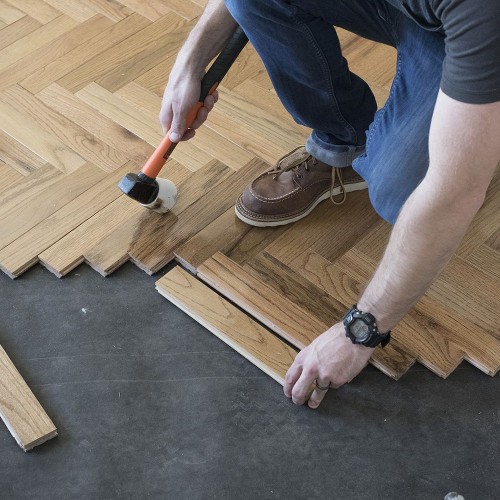
Flooring plays an important role in how a home or commercial property looks and functions. It affects comfort, durability, cleaning requirements, and the overall appearance of each room. Worn surfaces, cracked tiles, and uneven boards can make an otherwise attractive space look neglected. Choosing suitable materials and planning installation carefully can improve the property’s usability and create a more polished interior.
Finding the Right Flooring Professional
When planning Flooring Contractors Ontario CA services, property owners should consider the condition of the existing floor, the intended use of each room, and their preferred materials. A professional assessment can help identify installation challenges before work begins. Discussing the project scope, budget, timeline, and expected finish also helps establish clear expectations and makes it easier to choose an appropriate flooring solution.
Exploring Different Flooring Materials
Flooring materials vary in appearance, cost, maintenance needs, and resistance to everyday wear. Hardwood can provide a natural, timeless look, while laminate offers a wood-inspired appearance at a different price point. Luxury vinyl is available in many designs and can suit areas where easy maintenance matters. Tile may work well in spaces that require a hard, easy-to-clean surface. The best option depends on the room’s conditions and intended use.
Preparing the Surface Before Installation
A durable floor begins with a properly prepared base. Before new materials are installed, the existing surface should be checked for damage, uneven areas, movement, and moisture concerns. Depending on the findings, preparation may involve removing old flooring, repairing the subfloor, or leveling the surface. Skipping necessary preparation can lead to loose boards, cracked tiles, gaps, and premature wear after installation.
Understanding the Value of General Contracting
Hiring General contracting services can be useful when a flooring project is part of a larger renovation. A general contractor can coordinate different trades, manage scheduling, organize materials, and help oversee the work from preparation to completion. This coordination is particularly helpful when flooring installation depends on plumbing, electrical work, painting, cabinetry, or other improvements being completed in the correct order.
Matching Flooring to Each Room
Different rooms place different demands on flooring. Kitchens and entryways may experience spills, dirt, and frequent foot traffic, while bedrooms may benefit from a softer or warmer surface. Commercial areas may require materials designed for heavier use and easier maintenance. Considering these factors before selecting a product helps ensure that the flooring supports the room’s daily activities rather than simply matching its decoration.
Setting a Realistic Renovation Budget
The total cost of a flooring project depends on material selection, room size, labor, removal of existing surfaces, and the condition of the subfloor. Trim, transitions, stairs, furniture handling, and disposal fees may also affect the final estimate. Request a written breakdown that separates materials from labor and preparation. Comparing proposals with similar scopes helps property owners understand the overall value instead of choosing solely by price.
Coordinating Work to Reduce Disruption
Renovation projects can affect daily routines, particularly when several rooms or a business space are involved. Establishing a schedule helps determine when furniture must be moved, which areas will remain accessible, and how long installation materials may need to settle or cure. A contractor should explain expected noise, dust, access restrictions, and drying periods so occupants can prepare and avoid unnecessary interruptions.
Maintaining Flooring After Installation
Regular care helps preserve a new floor’s appearance and performance. Sweep or vacuum loose dirt frequently to reduce scratches caused by abrasive particles. Clean spills promptly and use products recommended for the installed material. Protective pads under furniture can reduce dents and scuffs, while entry mats help limit dirt tracked indoors. Avoid excessive water on wood-based flooring and follow the manufacturer’s maintenance guidance.
Choosing a Contractor With Confidence
Before approving a renovation, review the contractor’s experience, relevant credentials, insurance, references, and written agreement. Ask which materials will be used, what preparation is included, and how unexpected repairs will be priced. Confirm the start date, expected completion period, payment schedule, and warranty details. Clear documentation helps prevent misunderstandings and gives both parties a shared understanding of the project’s requirements.
Planning for Long-Term Value
Flooring is an investment that can influence a property’s comfort, appearance, and maintenance needs for years. Selecting materials suited to the environment, preparing the surface correctly, and ensuring careful installation all contribute to lasting results. When flooring is part of a wider renovation, organized project management can make the process easier to handle. Thoughtful planning helps property owners create attractive spaces that serve their needs over time.