
Planning an Audio System for Better Sound Quality
Understanding the Value of a Well-Planned Audio System
A quality audio system can make a home more enjoyable and a business environment more engaging. Whether the goal is listening to music, improving television sound, supporting presentations, or providing announcements, the equipment must suit the space. Careful planning helps create clear sound, convenient controls, and reliable performance without unnecessary equipment or complicated operation.
Identifying Your Audio Requirements
Before choosing speakers or amplifiers, consider how the system will be used. A home theater requires a different setup from a restaurant background music system or an office conference room. Room size, ceiling height, ambient noise, and the number of listening areas all influence equipment selection. Establishing these requirements early helps create a practical design that meets everyday expectations.
Planning a Professional Installation
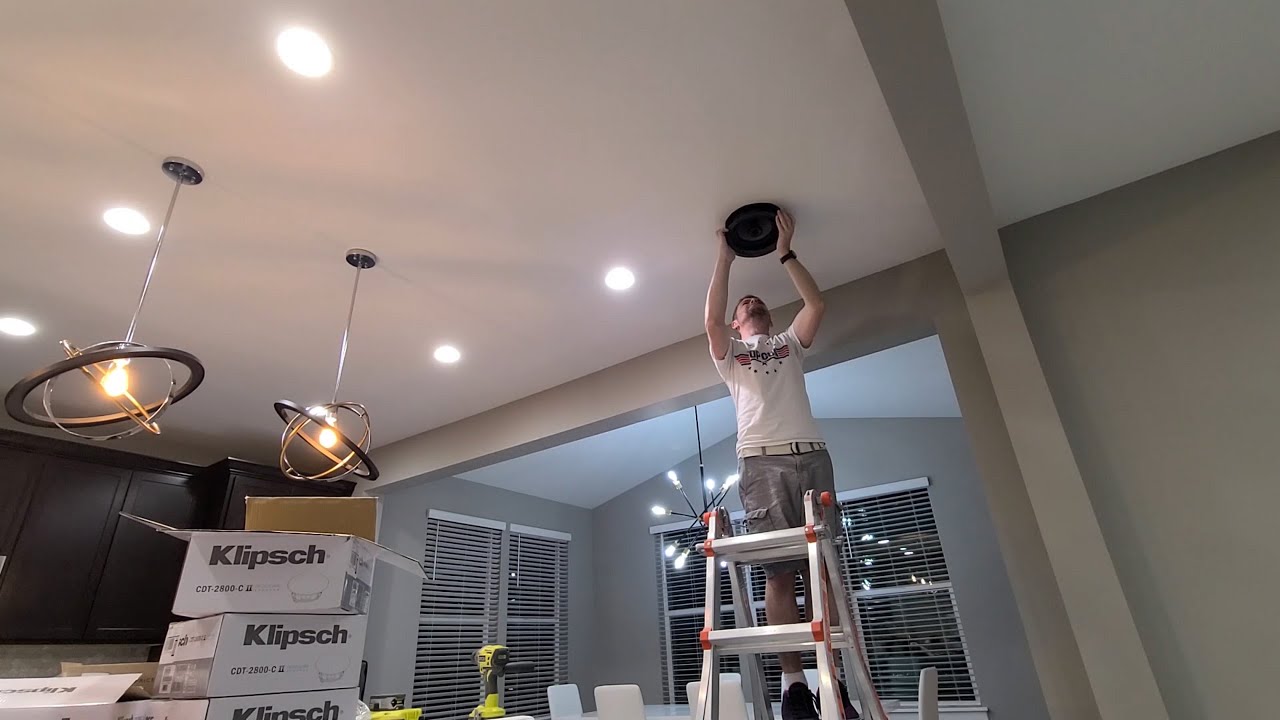
Audio System Installation in Yardley PA can help property owners plan speaker locations, connect compatible equipment, organize wiring, and configure audio components for their intended use. A professional assessment can also identify obstacles such as unusual room layouts, limited cable routes, or nearby electrical systems. Addressing these details before installation helps reduce setup problems and supports more consistent sound throughout the space.
Choosing the Right Speakers and Equipment
Different speakers are designed for different environments. Bookshelf and floor-standing speakers can work well in living rooms, while ceiling or wall-mounted models may suit spaces where a discreet appearance is preferred. Commercial locations may benefit from distributed speaker systems that provide consistent coverage. Amplifiers, receivers, subwoofers, microphones, and control devices should be selected to work together rather than purchased independently without checking compatibility.
Positioning Speakers for Balanced Sound
Speaker placement can significantly affect the listening experience. Speakers positioned too close to walls or corners may produce uneven bass, while poor spacing can create areas where sound seems weaker or unclear. A thoughtful layout considers seating positions, room dimensions, reflective surfaces, and listening direction. Testing the system after installation helps identify areas that need adjustments to speaker angles or audio settings.
Organizing Wiring and Connections
A clean wiring plan supports reliability and makes future troubleshooting easier. Cables should follow appropriate routes, remain protected from physical damage, and be labeled when multiple components are connected. Concealed wiring can create a neat appearance, but cables installed inside walls or ceilings must be suitable for that environment. Electrical and low-voltage wiring should be handled according to applicable safety requirements.
Working With an Audio Visual Professional
An Audio Visual Company in Yardley PA can help coordinate audio equipment with displays, projectors, microphones, video conferencing tools, and other connected systems. This can be especially useful for businesses that need conference rooms, presentation spaces, or multiple entertainment zones. A coordinated installation allows components to function together and can simplify everyday operation through centralized controls or clearly organized equipment.
Improving Audio in Commercial Spaces
Businesses often need sound coverage across several rooms or different areas of one building. Restaurants may require background music, retail stores may need announcements, and offices may rely on microphones and conferencing equipment. Planning separate audio zones allows volume and content to be adjusted for different spaces. The design should account for ambient noise and ensure speech remains understandable where communication is important.
Establishing a Realistic Installation Budget
Audio installation costs depend on equipment quality, the number of speakers, cable lengths, mounting requirements, and system complexity. Concealed wiring, ceiling access, network connections, and multiple listening zones may add to the total cost. Request an itemized estimate that identifies equipment, labor, installation materials, and configuration. Comparing proposals with similar specifications helps you understand what each option includes.
Testing and Maintaining the System
Once installation is complete, each component should be tested to confirm that connections, volume controls, and audio sources work as intended. Listen for distortion, interruptions, or uneven sound between different areas. Keep equipment ventilated, protect it from moisture and dust, and check cables and mounting hardware periodically. Software updates may also be necessary for connected audio devices and control systems.
Creating a Reliable Listening Experience
A successful audio installation combines suitable equipment, thoughtful speaker placement, organized wiring, and careful configuration. Taking time to plan around the space and its intended use can prevent unnecessary expenses and improve long-term performance. With the right installation approach, homeowners and businesses can enjoy clearer sound, simpler controls, and an audio system that supports their daily activities.