
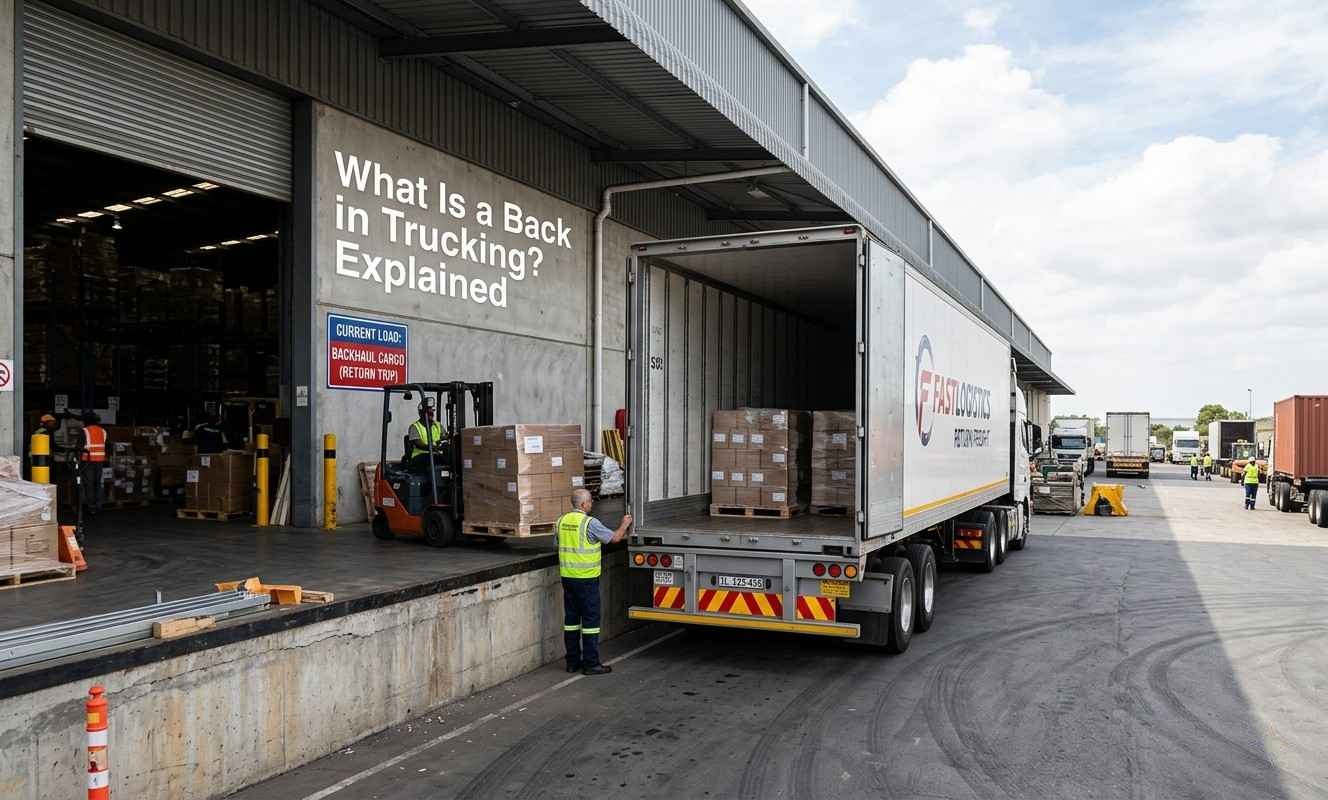
What Is a Back Load in Trucking? Explained
What is a back load in trucking? If you’ve ever wondered how transport companies keep costs down while making the most of every journey, back loading is a big part of the answer. A back load is freight carried by a truck on its return trip after completing a delivery. Instead of heading back empty, the vehicle picks up another shipment travelling in the opposite direction.
This approach has become increasingly popular across the logistics sector because it helps reduce wasted journeys, lowers operating costs, and improves vehicle utilisation. From large haulage companies to businesses using courier backloads, backloading offers a practical way to move goods more efficiently.
For companies shipping products regularly, understanding how backloads work can lead to better transport planning, lower freight expenses, and more sustainable logistics operations.
Table of Contents
- What Is a Back Load in Trucking?
- Why Back Loading Matters
- How a Back Load Works
- Main Benefits of Back Loading
- Industries That Commonly Use Back Loads
- Back Load vs Backhaul
- Potential Challenges of Back Loading
- How to Secure Reliable Back-Load Services
- Tips for Managing Back-Loads Effectively
- What the Future Holds for Back Loading
- Conclusion
What Is a Back Load in Trucking?
To put it simply, a back load is a shipment carried during a truck’s return journey after it has completed its original delivery.
Imagine a vehicle transporting goods from Birmingham to Glasgow. Once the delivery is complete, the truck still needs to return south. Rather than driving hundreds of miles empty, the transport provider arranges another load from Glasgow heading towards Birmingham. That second shipment is known as a back load.
This system allows transport operators to generate revenue from journeys that would otherwise produce no income while helping customers access more affordable freight rates.
Key Features of Back Loading
- Makes use of return journeys
- Reduces empty running miles
- Improves transport efficiency
- Helps lower freight costs
- Supports environmentally responsible logistics
- Increases vehicle productivity
Why Back Loading Matters
Transport businesses face constant pressure to control costs while maintaining reliable delivery services.
Fuel prices, vehicle maintenance, insurance, driver wages, and operational expenses all contribute to rising logistics costs. When trucks travel empty, these costs continue to accumulate without generating revenue.
Back loading solves this problem by turning return journeys into productive trips.
For carriers, this means better profitability. For customers, it often translates into more competitive transport pricing. It’s one of the reasons backloading has become a standard practice across many freight networks.
How a Back Load Works
Understanding what a back load is in trucking? becomes much easier when you look at the process step by step.
Step 1: Primary Delivery
The truck is assigned a shipment and delivers it to the designated destination.
Step 2: Finding a Return Load
Before the vehicle begins its return trip, transport planners search for available freight moving along a compatible route.
Step 3: Matching Freight and Vehicle Capacity
The shipment must fit the truck’s size, weight limits, and delivery schedule.
Step 4: Collection and Delivery
The driver collects the new load and transports it during the return journey.
This approach allows carriers to maximise the earning potential of each trip while reducing wasted road miles.
Main Benefits of Back Loading
Backloading offers advantages for both transport providers and businesses moving freight.
Lower Shipping Costs
One of the biggest reasons businesses choose backload services is cost savings.
Because the truck is already travelling in that direction, transport companies can often offer more attractive rates compared to dedicated transport services.
Better Fleet Efficiency
Every truck represents a major investment.
Back loading ensures vehicles spend more time generating revenue and less time travelling empty.
Increased Revenue for Carriers
A return trip without freight produces little financial value.
By securing a back load, transport operators create an additional income stream without significantly increasing operational costs.
Reduced Environmental Impact
Empty vehicles consume fuel just like loaded vehicles.
Reducing empty mileage means fewer emissions and more sustainable freight operations.
Many organisations now view backloading as part of their broader environmental strategy.
Smarter Resource Utilisation
Back loading helps businesses make better use of:
- Vehicles
- Drivers
- Fuel
- Time
- Route planning systems
The result is a more productive transport network.
Industries That Commonly Use Back Loads
Back loading isn’t limited to one sector. It is widely used across various industries.
Retail and Distribution
Retailers frequently move stock between warehouses, distribution centres, and stores.
Back loading helps minimise transport expenses while maintaining inventory flow.
Manufacturing
Manufacturers often have goods moving in multiple directions.
Raw materials may be transported one way while finished products move the opposite way, creating ideal opportunities for backloads.
Construction and Building Supplies
Construction companies regularly transport equipment, machinery, and materials between sites.
Backloading can significantly reduce transportation costs in this sector.
E-Commerce Businesses
Online retailers rely heavily on efficient logistics.
Backload opportunities help manage delivery costs while maintaining service quality.
Courier and Parcel Networks
Many parcel delivery providers use courier backloads to improve route efficiency and reduce unnecessary vehicle movements.
Back Load vs Backhaul
These two terms are often used interchangeably, but there is a slight difference.
What Is a Back Load?
A back load refers specifically to the freight being transported during the return journey.
What Is a Backhaul?
Backhaul generally describes the return leg of a transport route, regardless of whether the vehicle is carrying freight.
When freight is secured for that return journey, it effectively becomes a loaded backhaul or back load.
Quick Comparison
| Back Load | Backhaul |
|---|---|
| Focuses on freight | Focuses on the journey |
| Generates revenue | May be loaded or empty |
| Refers to cargo movement | Refers to route movement |
| Improves utilisation | Describes return travel |
In day-to-day logistics operations, the terms are frequently used in similar contexts.
Potential Challenges of Back Loading
While backloading offers clear advantages, there are some practical considerations.
Limited Availability
Not every destination has enough freight demand to support regular return loads.
This can make backloading more difficult in rural or remote regions.
Scheduling Requirements
Collection and delivery times must align with the truck’s planned route.
A suitable load may not always fit the required schedule.
Vehicle Compatibility
The return shipment must match the truck’s capacity and equipment specifications.
Additional Coordination
Managing multiple shipments often requires extra planning and communication between transport providers, brokers, and customers.
Fortunately, modern freight management platforms have made this process much easier than it was in the past.
How to Secure Reliable Back-Load Services
Businesses looking to reduce transport costs can use several methods to access backload opportunities.
Work with Experienced Logistics Providers
Established transport companies often have extensive freight networks and can identify return loads more effectively.
Use Freight Marketplaces
Digital freight exchanges connect available vehicles with businesses seeking transport services.
Partner with Freight Brokers
Freight brokers specialise in matching loads with available capacity.
Build Long-Term Relationships
Businesses that consistently work with trusted carriers often gain better access to back load opportunities and more competitive rates.
Leverage Route Planning Technology
Modern transport management systems can identify profitable backload opportunities automatically.
Tips for Managing Back-Loads Effectively
Successful backloading requires more than simply finding return freight.
Plan Ahead
Planning improves the chances of securing suitable loads.
Remain Flexible
Greater scheduling flexibility often leads to more opportunities.
Develop Strong Industry Connections
Reliable relationships often lead to recurring freight opportunities.
Use Digital Tools
Technology can simplify load matching and improve operational efficiency.
Monitor Performance
Track important metrics such as:
- Empty mileage
- Revenue per trip
- Fuel efficiency
- Vehicle utilisation
- Customer satisfaction
Regular analysis helps identify areas for improvement.
What the Future Holds for Back Loading
Back loading continues to evolve as technology reshapes the logistics industry.
Real-time tracking, digital freight platforms, automated route optimisation, and data-driven planning tools are making it easier than ever to identify return freight opportunities.
At the same time, businesses are placing greater emphasis on sustainability and cost control. These priorities are expected to increase demand for back-load services across national and regional transport networks.
Companies that embrace smarter logistics planning will likely see stronger operational performance and better long-term profitability.
Conclusion
So, what is a back load in trucking? It is a practical logistics strategy that allows trucks to carry freight on their return journeys instead of travelling empty. By making better use of available vehicle capacity, businesses can reduce transport costs, improve efficiency, and minimise wasted mileage.
Back loading benefits carriers, shippers, and customers alike. It creates additional revenue opportunities for transport providers while helping businesses access more affordable freight services.
As logistics networks continue to focus on efficiency and sustainability, backloading will remain an important part of modern freight transportation. Choosing an experienced transport partner with a well-managed Transport fleet can help businesses realise the full benefits of backload solutions while maintaining reliable, cost-effective delivery operations.