
The Cultural Heritage of the Atlas Mountains and the Berber People
The mountain system known as the Atlas Mountains forms one of the most important cultural and geographical regions in North Africa. Stretching across Morocco, Algeria, and Tunisia, it has long served as both a natural barrier and a cradle of human civilization. Within this rugged landscape live the indigenous Berber people, whose history, traditions, and identity are deeply intertwined with the highlands.
The cultural heritage found in the Atlas Mountains is not just about geography; it represents centuries of adaptation, resilience, and continuity. From ancient trade routes to modern villages, the region reflects a living culture shaped by both isolation and interaction with neighboring civilizations.
Geography and Natural Landscape
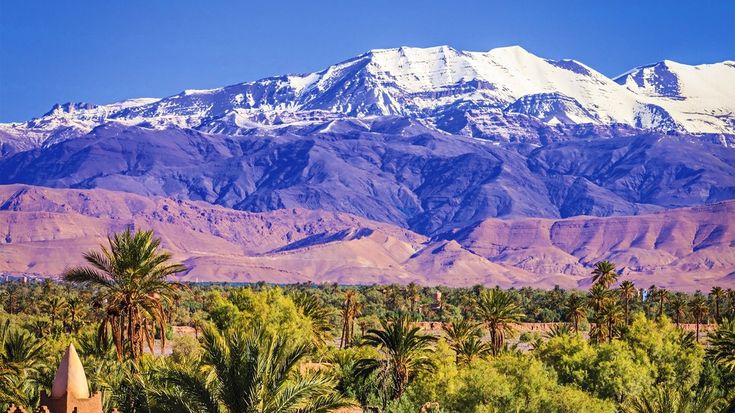
The Atlas Mountains range is defined by its dramatic terrain, snow-capped peaks, deep valleys, and fertile plateaus. These variations in elevation create distinct microclimates, allowing agriculture and pastoralism to coexist in proximity. Water from mountain streams supports terraced farming, while higher elevations provide grazing land for livestock.
This environment has historically shaped settlement patterns. Communities tend to be scattered in small villages rather than large urban centers, encouraging strong local identities and tightly knit social structures. The harsh winters and hot summers have also influenced building techniques, clothing styles, and food preservation methods.
In addition, the region’s natural isolation has helped preserve linguistic diversity and cultural practices that might have disappeared elsewhere. Many traditions remain closely tied to the land itself, reflecting a deep sense of environmental stewardship.
Historical Roots and Identity
The history of the region is inseparable from the development of the Berber people’s identity. Archaeological evidence suggests continuous habitation for thousands of years, long before the arrival of the Phoenicians, Roman, Arab, and other influences.
Despite successive waves of external contact, local communities maintained distinct cultural frameworks. Language played a key role in this continuity, with Tamazight dialects being passed down orally through generations. Social organization traditionally centered around clan systems, local councils, and customary law known as azref.
Even as Islam became the dominant religion in the region, it blended with pre-existing customs, creating a unique cultural synthesis. Religious practices in rural areas often incorporate local saints, pilgrimage sites, and seasonal festivals tied to agricultural cycles.
Traditional Lifestyle and Economy
Life in the mountainous highlands has traditionally depended on a combination of farming, herding, and seasonal migration. Crops such as barley, wheat, olives, and figs are cultivated on terraced slopes, while goats and sheep are raised in upland pastures.
In many villages, communal cooperation is essential. Irrigation systems, for example, are often maintained collectively, ensuring fair distribution of water resources. This cooperative structure reinforces social cohesion and mutual dependence among families.
Markets and trade also play an important role. Historically, caravans passing through the region connected inland communities with coastal cities and trans-Saharan trade routes. Goods such as salt, spices, textiles, and crafted tools were exchanged, linking remote settlements to wider economic networks.
Architecture and Craftsmanship
One of the most striking features of the region is its traditional architecture. Homes are typically built using locally sourced materials such as stone, clay, and wood. Flat roofs, thick walls, and compact layouts are designed to regulate temperature and withstand seasonal extremes.
Villages often appear as clusters of earth-toned buildings that blend seamlessly into the surrounding landscape. Defensive structures, including fortified granaries known as igherm, reflect a history of communal protection and resource storage.
Artistic expression is equally important. Weaving is a highly respected craft, especially among women, who produce intricate carpets with symbolic geometric patterns. Jewelry, pottery, and wood carving also carry cultural significance, often reflecting themes of fertility, protection, and nature.
Oral Traditions, Music, and Festivals
Storytelling remains one of the most powerful forms of cultural transmission in the region. Elders pass down myths, historical accounts, and moral lessons through oral narratives. These stories preserve collective memory and reinforce social values.
Music and dance are central to celebrations and rituals. Instruments such as drums, flutes, and stringed instruments accompany group dances performed during weddings, harvests, and religious festivals. Rhythmic patterns often vary by valley or tribe, reflecting local identity.
Poetry is another essential art form. Improvised verses, often performed in communal gatherings, serve both entertainment and communication functions. Through poetry, individuals express love, honor ancestors, or comment on social issues.
Modern Challenges and Cultural Preservation
In recent decades, modernization and urban migration have brought significant changes to traditional life. Younger generations increasingly move to cities in search of education and employment opportunities, leading to demographic shifts in rural villages.
Despite these changes, cultural revitalization efforts are growing. Schools and cultural organizations are working to preserve Tamazight languages, while festivals and heritage programs celebrate traditional music, crafts, and customs.
Tourism has also become a double-edged sword. While it provides economic opportunities, it can also risk commodifying cultural practices. Balancing development with authenticity remains a key challenge for local communities.
Environmental pressures, including climate change and water scarcity, further complicate life in the highlands. However, traditional ecological knowledge continues to offer valuable insights into sustainable living in fragile mountain ecosystems.
Conclusion
The cultural heritage of the highland communities within the Atlas Mountains is a testament to human resilience and adaptability. Deeply rooted in the traditions of the Berber people, this heritage continues to evolve while maintaining a strong connection to ancestral ways of life.
Through language, craftsmanship, music, and social organization, the region remains one of the most culturally rich landscapes in North Africa.