
How to Avoid Heat Rash and Other Summer Skin Problems
Summer brings sunshine, outdoor activities, and vacations, but it also increases the risk of various skin problems. High temperatures, humidity, excessive sweating, and prolonged sun exposure can affect your skin in many ways. Heat rash, sunburn, fungal infections, acne flare-ups, and dehydration-related skin issues are among the most common concerns during hot weather. Fortunately, with proper skincare habits and preventive measures, you can protect your skin and enjoy the summer season comfortably.
What Is Heat Rash and Why Does It Occur?
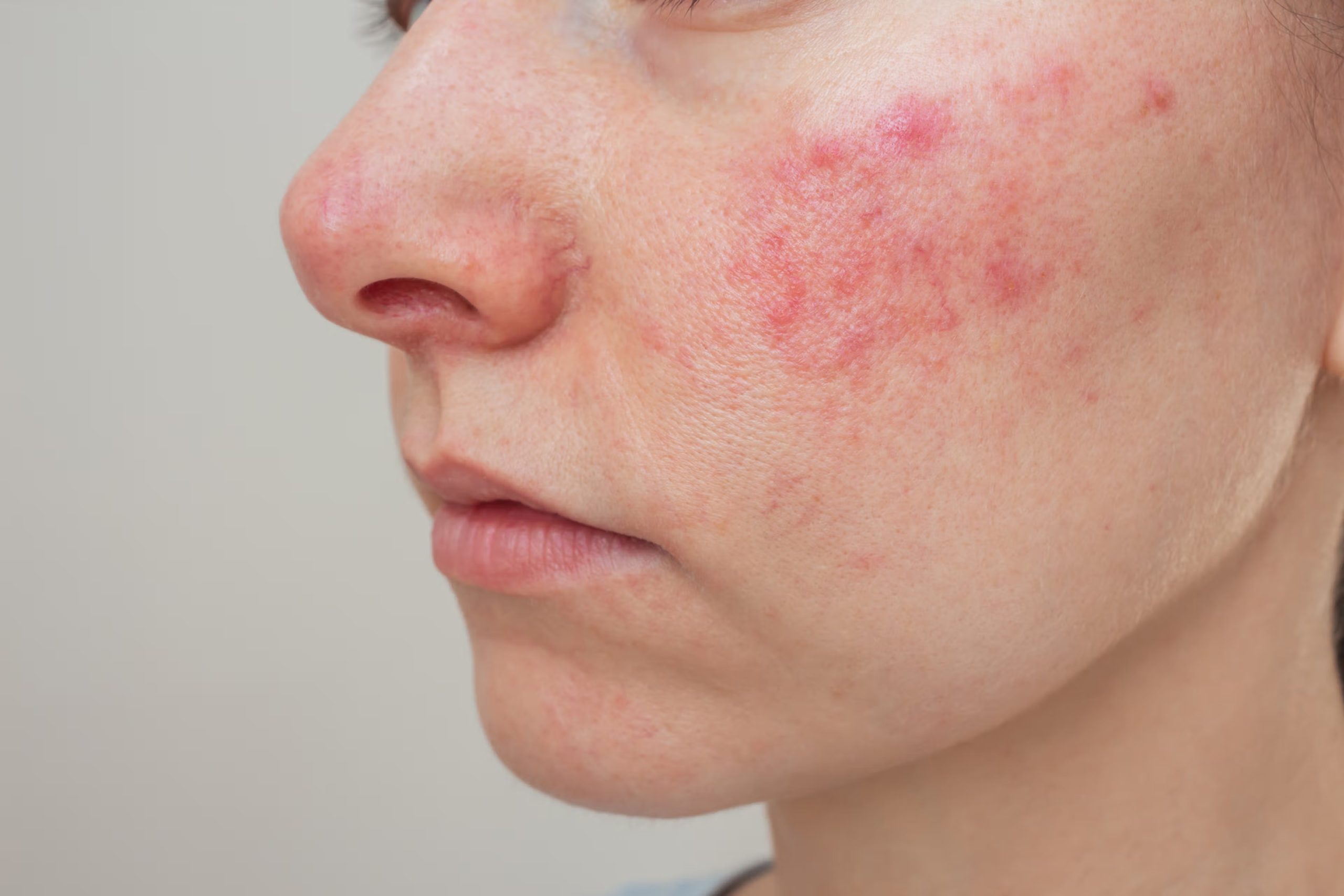
Heat rash, also known as prickly heat or miliaria, develops when sweat becomes trapped beneath the skin due to blocked sweat ducts. This condition is especially common during hot and humid weather when the body produces more sweat to cool itself. Heat rash typically appears as small red bumps, tiny blisters, or itchy patches on areas such as the neck, chest, back, underarms, and groin. Infants, athletes, and people who spend long periods outdoors are particularly vulnerable. While heat rash is usually harmless, it can cause significant discomfort if not managed properly.
Common Summer Skin Problems Besides Heat Rash
Heat rash is not the only skin condition that becomes more common during summer. Increased sweating and sun exposure create ideal conditions for several skin issues. Sunburn can occur when the skin is exposed to harmful ultraviolet rays without adequate protection. Fungal infections thrive in warm, moist environments and often affect skin folds. Acne may worsen due to excess oil production and clogged pores. Some individuals also experience allergic skin reactions, insect bites, and irritation from swimming pools. Understanding these conditions is essential for preventing long-term skin damage and maintaining healthy skin throughout the season.
Signs and Symptoms to Watch For
Recognizing early symptoms can help prevent minor skin problems from becoming more serious. Heat rash usually causes itchy red bumps or a prickling sensation on the skin. Sunburn may result in redness, pain, swelling, and peeling. Fungal infections often appear as itchy, scaly patches with discoloration. Acne breakouts may become more frequent due to increased oil production during hot weather. Excessive dryness, irritation, and sensitivity can also occur if the skin loses moisture due to prolonged exposure to heat and sunlight. Seeking timely care can help prevent complications and improve recovery.
Stay Cool and Dry to Prevent Heat Rash
One of the most effective ways to prevent heat rash is to keep your body cool and dry. Wear lightweight, loose-fitting clothing made from breathable fabrics such as cotton. Avoid tight clothing that traps heat and sweat against the skin. Stay in air-conditioned or well-ventilated environments whenever possible, especially during peak afternoon temperatures. Taking cool showers and gently drying the skin afterward can also help reduce sweating and prevent sweat ducts from becoming blocked. Maintaining a cool body temperature is the first step toward preventing heat-related skin problems.
Protect Your Skin from Sun Damage
Sun protection is essential for maintaining healthy skin during summer. Apply a broad-spectrum sunscreen with an appropriate SPF at least 15 to 30 minutes before going outdoors. Reapply sunscreen every two hours or after swimming and excessive sweating. Wearing wide-brimmed hats, sunglasses, and protective clothing can provide additional defense against ultraviolet rays. Try to avoid direct sunlight during peak hours, typically between 10 a.m. and 4 p.m. Consistent sun protection not only prevents sunburn but also reduces the risk of premature aging and skin cancer.
Maintain Proper Hygiene During Hot Weather
Good hygiene practices play a significant role in preventing summer skin issues. Regular bathing helps remove sweat, dirt, bacteria, and excess oil from the skin’s surface. Use a gentle cleanser that does not strip away the skin’s natural moisture barrier. Change out of sweaty clothing promptly after exercise or outdoor activities. Keep commonly affected areas such as the underarms, feet, and groin clean and dry. Proper hygiene reduces the risk of bacterial and fungal infections while helping the skin remain healthy and comfortable throughout the summer months.
Stay Hydrated for Healthy Skin
Hydration is essential for both overall health and skin health. During summer, the body loses more fluids through sweating, which can lead to dehydration if not adequately replaced. Drinking enough water helps maintain skin elasticity, supports the skin barrier, and reduces dryness. Consuming water-rich foods such as cucumbers, watermelon, oranges, and strawberries can further support hydration. Well-hydrated skin is more resilient against irritation, environmental stressors, and heat-related damage, making hydration a key component of summer skincare.
Choose the Right Skincare Products
Summer often requires adjustments to your skincare routine. Heavy creams and oily products may clog pores and contribute to acne breakouts during hot weather. Opt for lightweight, non-comedogenic moisturizers and oil-free sunscreens that allow the skin to breathe. Individuals with sensitive skin should avoid harsh exfoliants and heavily fragranced products that may increase irritation. Cleansing the face twice daily and using suitable skincare products can help maintain balanced, healthy skin while minimizing the risk of common summer skin concerns.
Special Tips for Children and Older Adults
Children and older adults are particularly susceptible to heat-related skin conditions. Babies often develop heat rash because their sweat ducts are not fully developed. Dressing children in lightweight clothing and keeping them cool can reduce the risk. Older adults may have reduced sweating capacity, making them more vulnerable to overheating and skin irritation. Caregivers should ensure adequate hydration, proper hygiene, and regular monitoring for signs of skin problems. Taking these precautions can help protect vulnerable individuals during periods of extreme heat.
Book Online Appointment with the Best Dermatologist via InstaCare
If you experience persistent heat rash, severe acne, fungal infections, unusual skin discoloration, or any skin condition that does not improve with home care, consulting a dermatologist is important. Through InstaCare, you can book an online appointment with the best dermatologist and receive expert guidance tailored to your skin concerns. Early diagnosis and treatment can help prevent complications and keep your skin healthy throughout the summer season.
Conclusion
Summer skin problems such as heat rash, sunburn, fungal infections, and acne are common but often preventable. By staying cool, maintaining proper hygiene, protecting your skin from the sun, and keeping your body hydrated, you can significantly reduce your risk of skin issues during hot weather. Adopting a consistent summer skincare routine not only helps prevent discomfort but also promotes healthier, more resilient skin. Taking proactive steps today can ensure your skin remains comfortable and protected throughout the hottest months of the year.
FAQs
1. What causes heat rash during summer?
Heat rash occurs when sweat ducts become blocked, trapping sweat beneath the skin and causing irritation, redness, and itching.
2. How can I prevent heat rash?
Wear loose-fitting clothing, stay cool, avoid excessive sweating, maintain proper hygiene, and keep your skin dry.
3. Can heat rash go away on its own?
Yes, mild heat rash often improves within a few days when the skin is kept cool and dry.
4. Why does acne worsen during hot weather?
Increased sweating and oil production can clog pores, leading to more frequent acne breakouts during summer.
5. When should I see a dermatologist for a summer skin problem?
Consult a dermatologist if symptoms are severe, persistent, painful, spreading, or do not improve with home treatment.