
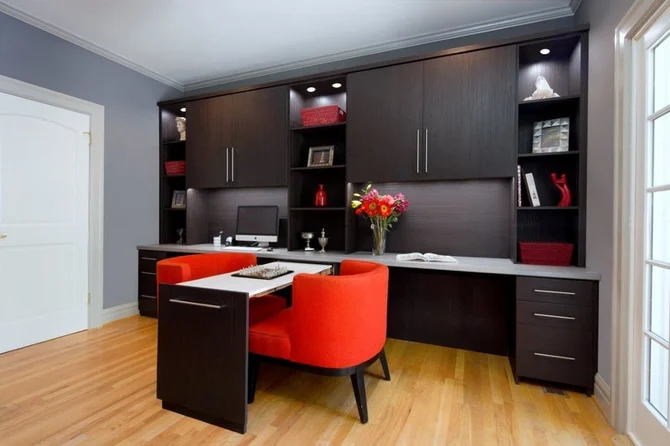
Ergonomic Meets Aesthetic: Home Office Styling Tips for Comfort and Visual Appeal
The modern workplace has shifted into homes across the United States, making workspace design more important than ever. A desk setup is no longer just about function; it also affects mental focus, physical health, and daily productivity. Many people struggle to balance comfort with visual appeal, often choosing either ergonomic function or design aesthetics instead of both. This is where thoughtful home office styling becomes essential for creating a workspace that supports long-term performance.
According to a 2025 report by the Bureau of Labor Statistics, over 35 percent of the U.S. workforce now works remotely at least part-time. This shift has increased demand for home environments that support full-day productivity. I experienced this firsthand when transitioning from a traditional office to a home setup, where poor ergonomics initially caused fatigue. Once I improved both comfort and design, my workflow became significantly smoother and more consistent.
The Problem: Workspaces Are Either Comfortable or Visually Appealing
Many home offices fail because they prioritize one element while ignoring the other. Some setups focus entirely on ergonomics, resulting in clinical-looking spaces that feel uninspiring. Others emphasize design aesthetics but lack proper seating, lighting, or desk height, which leads to discomfort and long-term strain. This imbalance often reduces productivity and motivation.
Effective home office styling requires a balance between physical support and visual harmony. According to the Occupational Safety and Health Administration, poor workstation design contributes to musculoskeletal issues that affect millions of workers each year. At the same time, studies from Harvard Business Review suggest that visually appealing environments improve cognitive performance and reduce stress. Without integrating both elements, many workers end up with spaces that are either uncomfortable or distracting.
Ergonomic Foundation: Start with the Right Seating and Desk Setup
The foundation of any productive workspace begins with proper ergonomics. A supportive chair with adjustable height, lumbar support, and proper cushioning is essential for maintaining posture during long work hours. Similarly, desk height should align with elbow position to prevent strain on shoulders and wrists. These elements form the backbone of effective home office styling.
When I upgraded my own workspace, the first change I made was replacing a basic chair with an ergonomic model. The difference in comfort was immediate and noticeable. Research from Cornell University’s Ergonomics Web shows that proper seating can reduce back pain by up to 54 percent in office workers. Even modest upgrades can significantly improve daily performance without requiring major financial investment.
Lighting and Layout: Creating a Balanced Visual Environment
Lighting plays a critical role in both comfort and aesthetics. Poor lighting can lead to eye strain, headaches, and reduced focus, while well-balanced lighting enhances mood and productivity. Natural light is ideal, but when that is not available, layered lighting solutions such as desk lamps and ambient lighting can create a more comfortable environment.
Layout is equally important in home office styling. A cluttered or poorly arranged workspace can negatively impact mental clarity. Positioning the desk near natural light sources and keeping frequently used items within reach improves workflow efficiency. In a recent case study from a remote marketing team in Chicago, employees reported improved satisfaction after adjusting lighting and workspace layouts without changing furniture.
Visual Balance: Integrating Design Without Sacrificing Function
A visually appealing workspace does not need to compromise ergonomics. Instead, it should enhance functionality through thoughtful design choices. Color palettes, textures, and accessories can all contribute to a more inviting environment without interfering with productivity. Neutral tones combined with natural materials often create a calming effect suitable for long working hours.
One effective approach to home office styling is layering simple decorative elements without overcrowding the space. I often incorporate minimal artwork and natural textures to avoid visual fatigue. Even small additions such as plants or framed prints can improve mood and engagement. According to a study by the University of Exeter, personalized and visually balanced workspaces can increase productivity by up to 32 percent.
Smart Storage: Reducing Clutter for Better Focus
Clutter is one of the biggest obstacles to both ergonomic comfort and visual appeal. Excess items on a desk can restrict movement, create distractions, and reduce efficiency. Smart storage solutions such as floating shelves, drawer organizers, and hidden compartments help maintain a clean and structured workspace.
In practical home office styling, storage should be both functional and visually integrated. For example, cable management systems prevent tangled wires from disrupting the workspace while maintaining a cleaner look. I once reorganized my desk using simple storage boxes and saw an immediate improvement in focus. Studies from Princeton Neuroscience Institute confirm that visual clutter competes for attention and reduces task performance.
The Role of Statement Furniture in Functional Design
Statement furniture pieces can elevate a workspace while still maintaining ergonomic balance. A well-designed desk or chair can serve as both a functional tool and a visual anchor in the room. The key is selecting pieces that support posture while also contributing to the overall design theme.
Some designers also integrate statement dining furniture into adjacent home office spaces when layouts are open-plan. This approach helps create visual continuity between working and living areas. In a recent interior project in Austin, a designer used a sculptural dining-style table as a multifunctional workspace, combining practicality with visual impact. The result was a flexible environment that supported both work and leisure.
Technology Integration: Keeping the Workspace Clean and Efficient
Modern workspaces rely heavily on technology, but unmanaged devices can quickly create clutter. Proper cable organization, wireless accessories, and compact docking stations help maintain a clean setup. These small adjustments improve both functionality and visual appeal.
Home office styling also benefits from thoughtful placement of devices such as monitors, speakers, and chargers. Ergonomic monitor height reduces neck strain, while wireless tools eliminate unnecessary clutter. In a case study from a San Francisco tech startup, employees reported improved focus after switching to wireless peripherals and reorganized desk layouts. This demonstrates how technology and design must work together for optimal results.
Personalization Without Overcrowding
Personal items help make a workspace feel more comfortable, but excessive decoration can reduce efficiency. The goal is to add personality without creating distractions. Items such as framed photos, simple artwork, or meaningful objects can enhance emotional connection to the workspace.
A balanced approach to home office styling often includes carefully chosen decorative elements. I prefer using minimal personal items combined with functional accessories to maintain clarity. Even subtle touches such as curated books or small collectibles can add personality without overwhelming the space. Studies show that personalized work environments increase employee engagement when kept organized and intentional.
Real-World Example: Hybrid Workspace Transformation in the USA
A digital consulting firm in Seattle recently redesigned employee home offices using ergonomic and aesthetic principles. Instead of investing in expensive furniture, the company focused on lighting improvements, ergonomic chairs, and simplified layouts. Employees were also encouraged to personalize their spaces while maintaining clean design standards.
Within three months, productivity increased by 18 percent according to internal performance reports. Employees also reported lower fatigue levels and higher satisfaction with their work environments. The company incorporated elements of statement dining furniture in shared virtual workspace design sessions to inspire creativity during collaboration meetings. This case demonstrates how thoughtful design improvements can deliver measurable business results.
Conclusion
Successful home office styling is about creating harmony between ergonomics and aesthetics. A workspace should support physical health while also providing visual clarity and motivation. By combining proper seating, lighting, storage, and design elements, anyone can build a workspace that enhances both productivity and comfort.
The most effective setups are not the most expensive but the most intentional. When ergonomic principles are combined with thoughtful design choices, the result is a workspace that feels natural, efficient, and visually balanced. Even simple additions such as statement dining furniture or carefully chosen accessories can transform an ordinary desk into a highly functional and inspiring environment.