
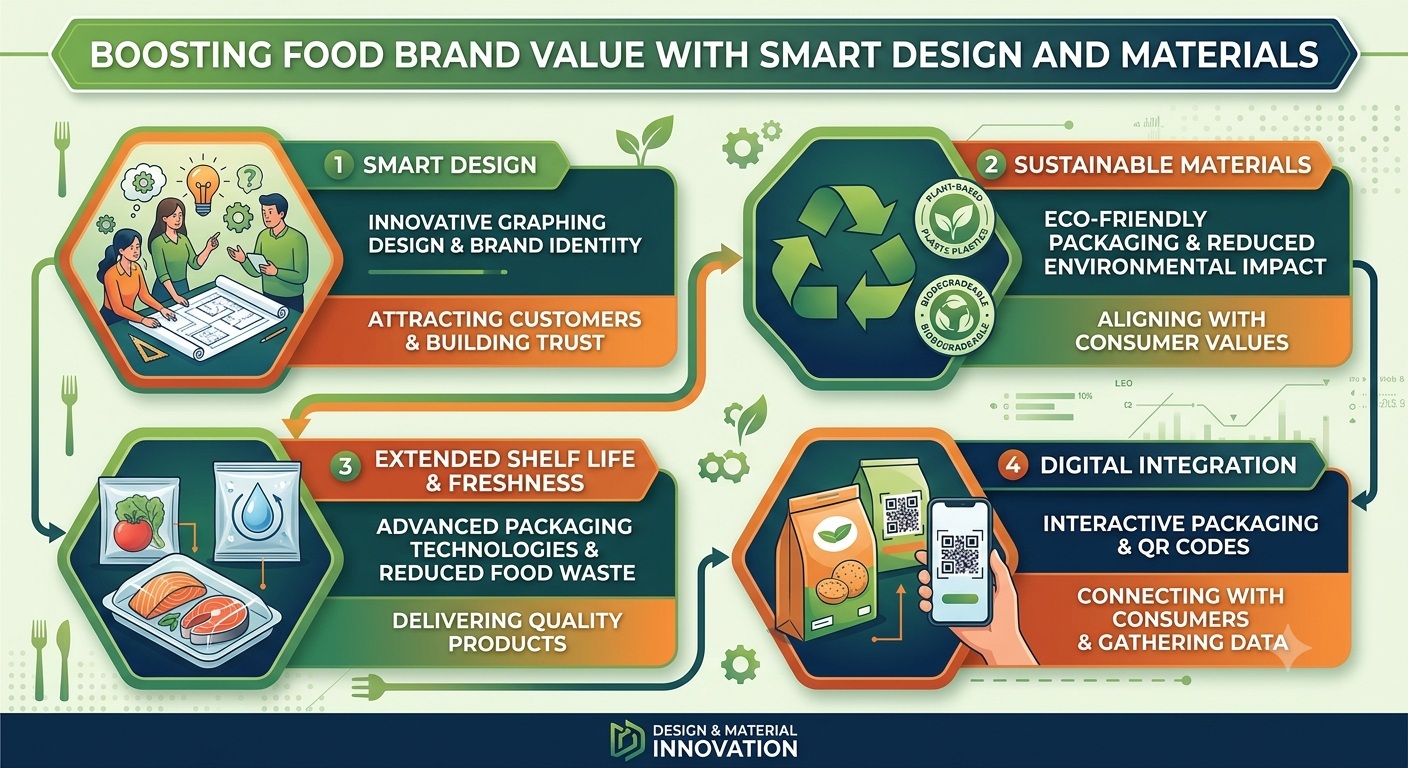
Boosting Food Brand Value with Smart Design and Materials
Food brands need more than good taste to grow. A meal may be fresh, tasty, and well made, but customers also judge how it looks when it arrives. The box, wrapper, label, colour, and material all affect how people feel about the brand.
Smart packaging design and the right materials can make food look more valuable. They can also help protect freshness, reduce mess, support safe handling, and improve the full customer experience. For restaurants, takeaway shops, cafés, burger brands, bakeries, and food delivery businesses, packaging is not just a container. It is part of the product.
When customers enjoy the food and the presentation, they are more likely to remember the business, order again, and recommend it to others.
Why Food Brand Value Starts with Presentation
People often see the packaging before they taste the food. This first look can create trust or doubt.
A clean and strong box can make the food feel more professional. A weak, plain, or messy pack can make even a good meal feel less special. This is why food presentation matters so much.
Brand value grows when customers believe a business offers quality, care, and consistency. Packaging helps show these things clearly.
A well-designed food package can tell customers:
- The brand is professional
- The food is handled with care
- The business understands quality
- The product is worth the price
- The customer experience matters
These messages do not always need many words. Good design can show them quickly.
Match the Design to the Food Type
Every food product has different packaging needs.
A burger needs support for heat, grease, fillings, and shape. A salad may need freshness and clear visibility. A pizza needs a wide and stable box. A cake may need protection from crushing. A sandwich may need a pack that keeps it neat and easy to carry.
Smart design starts by looking at the product first.
Businesses should ask:
- Is the food hot or cold?
- Is it oily or dry?
- Is it heavy or light?
- Does it need ventilation?
- Will it be delivered?
- Will customers eat it straight away?
The answers help guide the design and material choice.
Use Packaging to Build Brand Recognition
Brand recognition means customers can remember and identify a business easily.
Packaging can help with this.
Colours, logos, patterns, fonts, and printed messages should work together to create a clear look. This look should stay consistent across boxes, bags, menus, labels, website pages, and social media.
For example, a family burger brand may use warm colours and friendly text. A premium food business may use clean layouts, simple graphics, and elegant finishes.
Strong branding does not always mean loud design. Sometimes simple design looks more confident and professional.
The most important point is consistency.
Burger Packaging Can Improve Customer Perception
Burgers are popular in takeaway and delivery, but they can be hard to pack well. They include bread, meat or plant-based fillings, sauces, cheese, salad, and heat. If the box is poor, the burger can arrive flat, soggy, or messy.
Well-planned Custom burger boxes can help brands choose the right size, board strength, closure style, and print design for their product.
This can improve how the burger looks when customers open the pack.
A neat and strong box can make the meal feel more valuable. It can also show that the business cares about both taste and presentation.
Choose Materials That Protect Food Quality
Material selection is one of the most important parts of food packaging.
The material must suit the food and the journey it takes. A box used for hot takeaway meals must perform differently from one used for dry snacks or chilled desserts.
Common food packaging materials include:
- Paperboard
- Kraft board
- Corrugated board
- Grease-resistant paper
- Coated card
- Food-safe liners where suitable
The right material can help manage grease, moisture, heat, and weight. It can also support printing and brand appearance.
A poor material may bend, leak, stain, or lose shape. This can harm the food and the brand image.
Bulk Ordering Should Still Focus on Quality
Many growing food businesses order burger boxes wholesale to reduce costs and keep enough stock for busy days.
Wholesale ordering can be helpful, but quality should not be ignored.
A cheap box may seem like a saving at first. But if it causes leaks, poor presentation, bad reviews, or food waste, it can cost more in the long run.
Before placing a large order, businesses should check:
- Box strength
- Size accuracy
- Grease resistance
- Closure quality
- Printing clarity
- Storage space
- Assembly speed
Good packaging should support daily operations, not slow them down.
Smart Ventilation Helps Keep Texture
Food texture can change quickly inside a closed box.
Hot food creates steam. If this steam stays trapped, crispy food may become soft. Bread can turn wet. Fried items may lose their texture.
Ventilation can help release extra moisture.
Small holes, slots, or breathable areas can improve airflow. But ventilation must be planned carefully. Too much airflow may cool the food too quickly. Too little may trap steam.
Testing is the best way to find the right balance.
Food businesses should test packaging with the actual product before using it for regular orders.
Grease Resistance Supports a Cleaner Experience
Grease is a common issue in food packaging.
When oil soaks through the box, it can create stains and weaken the structure. Customers may also find it unpleasant to hold.
Grease-resistant materials or coatings can help keep packaging cleaner and stronger.
This is especially useful for burgers, chips, fried snacks, sandwiches with sauces, and other oily foods.
Clean packaging improves customer confidence. It also helps the brand look more careful and professional.
Good Structure Reduces Damage During Delivery
Delivery is now a major part of many food businesses.
During delivery, food may move inside bags, sit in warm conditions, or travel over uneven roads. Poor packaging can lead to spills, crushed food, or damaged presentation.
Strong structure can reduce these risks.
A good food box should have:
- A stable base
- Strong side walls
- Secure closing tabs
- Suitable height
- Enough space for the food
- Limited empty space
The aim is to keep the food in place without crushing it.
A better delivery experience can lead to better reviews and repeat orders.
Clear Information Builds Trust
Food packaging can also help customers make safe and informed choices.
Printed details may include:
- Product name
- Ingredients
- Allergen information
- Storage advice
- Heating guidance
- Brand contact details
- Use-by information where needed
This information should be easy to read.
Small text, poor colour contrast, or crowded layouts can frustrate customers. Clear information makes the brand look more honest and reliable.
Trust is a key part of brand value.
When customers feel informed, they are more likely to buy with confidence.
Sustainable Choices Can Support Brand Image
Many customers now care about packaging waste. Food businesses can improve their image by choosing materials carefully and reducing unnecessary packaging where possible.
However, sustainability should not come before food protection.
A package must still keep the food safe, fresh, and easy to handle. If weak packaging causes food waste, it may not be a better choice.
Brands should be honest about their claims.
Instead of using vague words, they can explain clear facts, such as recyclable paperboard or reduced plastic use where this applies.
Honest information builds more trust than empty claims.
Packaging Design Can Improve Social Sharing
Many customers share food photos online.
A smart box design can make the product more photo-friendly. This can support free word-of-mouth marketing.
A branded box, clean layout, neat opening style, or printed message can make customers more likely to take a photo.
This is useful for burgers, desserts, snacks, premium takeaway meals, and event food.
Social sharing can help new customers discover the brand. It can also make existing customers feel more connected.
The design should still be practical. A box should not look good only in photos while failing in real use.
Staff Experience Also Matters
Packaging should be easy for staff to use.
In busy kitchens, workers need boxes that are quick to assemble, fill, close, and stack. If the design is too complex, it can slow service and create mistakes.
Good packaging supports both the customer and the team.
Businesses should ask staff for feedback during testing. They may notice problems that designers do not see, such as difficult folds, weak tabs, or storage issues.
When packaging works well behind the counter, orders can move faster and more smoothly.
Testing Helps Avoid Costly Mistakes
Testing is a key step before choosing any packaging.
A business should test the box with the real food, in real conditions.
Useful checks include:
- Does the food fit well?
- Does the box stay closed?
- Does grease leak through?
- Does steam build up?
- Does the food move during delivery?
- Is the box easy to carry?
- Is the print clear after handling?
Testing helps businesses find problems early.
This can protect the brand from complaints, wasted stock, and poor customer experiences.
Final Thoughts
Boosting food brand value with smart design and materials is about more than making packaging look nice. It is about creating a better full experience for the customer.
The right packaging can protect food quality, improve presentation, reduce mess, support delivery, and build trust. It can also help customers recognise the brand and remember it after the meal.
Food businesses should choose designs and materials based on real product needs. Hot food, cold food, greasy food, dry food, and delicate food all need different solutions.
Quality matters, even when buying in bulk. A strong, clean, and well-designed box can support better reviews, repeat orders, and stronger customer loyalty.
In a competitive food market, small packaging details can make a big difference. When design, material, function, and branding work together, food businesses can create products that look better, travel better, and feel more valuable to customers.