
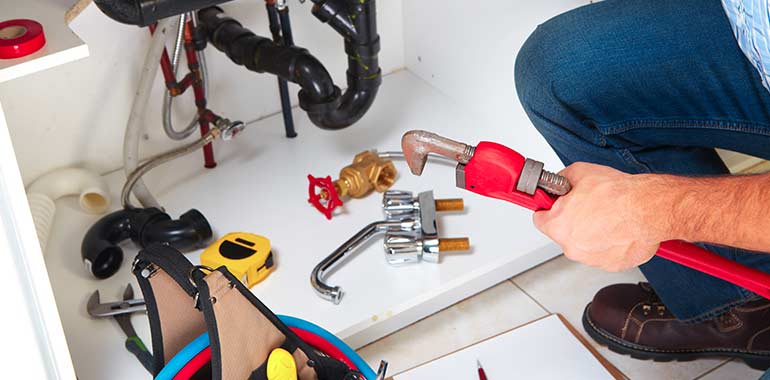
Preventative Plumbing Maintenance 101: Protecting Your Home from Catastrophic Water Damage
Plumbing problems rarely begin with a dramatic burst pipe or major flood. More often, they start with small leaks, slow drains, worn connections, or aging fixtures that homeowners may overlook for months. A consistent plumbing service & maintenance routine can help identify these issues before they develop into expensive water damage. Preventative care also gives homeowners a better understanding of their plumbing system and its condition. By paying attention to early warning signs and scheduling professional inspections, property owners can reduce avoidable disruptions and protect their investment.
Water damage can affect much more than floors and walls when plumbing failures are ignored. Persistent moisture can damage cabinetry, flooring, drywall, insulation, and personal belongings while creating conditions where mold may develop. Hidden leaks can be especially problematic because they may continue for weeks before becoming visible. Regular plumbing maintenance helps professionals locate vulnerable components and recommend repairs before a failure occurs. A proactive approach is generally easier to manage than dealing with the cleanup and repairs required after a major plumbing emergency.
Why Preventative Plumbing Maintenance Matters
Preventative maintenance focuses on identifying potential plumbing failures before they become urgent problems. During a professional inspection, technicians can examine accessible pipes, valves, fixtures, water heaters, drains, and other components for signs of wear or deterioration. The exact inspection process depends on the property’s age, plumbing materials, previous repair history, and current symptoms. Regular evaluations can reveal problems that may not be obvious during everyday use. This makes maintenance an important part of protecting a home’s plumbing system.
Homeowners should not assume that a plumbing system is healthy simply because every faucet currently works. Pipes and connections can deteriorate internally or develop slow leaks without immediately affecting water pressure or fixture performance. Older properties may have additional concerns related to aging materials, previous modifications, or outdated components. Professional plumbing service & maintenance provides an opportunity to evaluate these conditions before they become more serious. Maintenance schedules should be based on the property’s needs rather than a universal calendar alone.
Inspect Pipes and Connections Regularly
Pipes and connections are among the most important areas to monitor because even a small leak can cause substantial damage over time. Visible corrosion, mineral deposits, staining, moisture, or discoloration around fittings can indicate that a connection deserves closer attention. Flexible supply lines beneath sinks and behind appliances should also be checked periodically for cracking, bulging, or other visible deterioration. These components may be inexpensive compared with the damage caused by a sudden failure. Replacing a worn connection early can therefore be a practical preventative measure.
Hidden plumbing lines require a different approach because homeowners cannot easily inspect what is behind walls or beneath floors. Unexplained damp spots, musty odors, peeling paint, warped flooring, or unexpected increases in water usage can provide clues about concealed leaks. Professional inspection can help determine whether these symptoms are related to plumbing or another source of moisture. Detecting a hidden leak early can reduce the time water remains in contact with building materials. This is one reason regular plumbing service & maintenance is valuable even when there is no obvious plumbing emergency.
Check for Hidden Water Leaks
Some of the most damaging plumbing failures are not immediately visible. A slow leak behind a wall or beneath a floor can continue unnoticed while gradually affecting surrounding materials. Homeowners may notice secondary signs such as staining, dampness, unexplained odors, or a water meter that appears to move when fixtures are not being used. These signs should not automatically be ignored simply because there is no standing water. Professional evaluation can help determine whether a hidden plumbing leak exists.
Leak detection methods vary according to the property and suspected location of the problem. A technician may inspect accessible plumbing, test fixtures, evaluate water usage patterns, or use specialized diagnostic equipment when appropriate. Early identification can help prevent a small plumbing defect from becoming a larger structural repair. It may also reduce unnecessary water waste. Homeowners who notice unexplained moisture should seek professional advice rather than waiting for visible damage to become severe.
Maintain Drains Before They Become Blocked
Slow drains are often treated as minor inconveniences, but they can provide an early warning that buildup is developing inside the plumbing. Hair, soap residue, grease, food particles, and mineral deposits can gradually restrict water flow. If the restriction becomes severe, wastewater may back up into sinks, tubs, showers, or other fixtures. Regular drain care can help reduce the amount of debris entering the plumbing system. Professional cleaning may be appropriate when slow drainage continues or repeatedly returns.
Homeowners can support drain health by using suitable screens and avoiding practices that introduce grease, oils, and inappropriate materials into the plumbing. Toilets should only be used for materials intended to be flushed, while kitchen sinks should be protected from excessive food waste. Chemical drain cleaners should not become a substitute for diagnosing recurring blockages. If a drain repeatedly clogs after being cleared, there may be a deeper issue requiring professional evaluation. Preventative plumbing service & maintenance can help identify the cause instead of simply treating the symptom.
Protect Your Water Heater
Water heaters are another important part of preventative plumbing care because failures can release significant amounts of water. Homeowners should periodically check around the unit for moisture, corrosion, unusual sounds, or changes in hot-water performance. Storage tanks can develop internal deterioration, while connections and valves may also become worn over time. Tankless systems have their own maintenance requirements, particularly in areas where mineral buildup is common. Following manufacturer recommendations and scheduling professional inspections can help maintain reliable operation.
A water heater that suddenly leaks can cause damage to flooring and surrounding materials, particularly when installed in an interior room or upper level. Installing appropriate protective measures where recommended can provide an additional layer of protection, but they should not replace regular inspection. If water appears around the unit, the source should be identified promptly. Professional plumbing service & maintenance can determine whether the problem involves the heater, a connection, or another nearby plumbing component. Early diagnosis may provide more repair options and reduce the risk of extensive damage.
Know the Location of Your Main Shutoff Valve
Every homeowner should know where the property’s main water shutoff valve is located before a plumbing emergency occurs. When a pipe suddenly bursts or a major fixture line fails, shutting off the water quickly can limit how much water enters the home. The valve may be located in different areas depending on the property’s construction and local plumbing configuration. Homeowners should make sure the valve is accessible and understand how it operates. Knowing this information ahead of time can save valuable minutes during an emergency.
It is also helpful to ensure that household members know where the shutoff valve is located. A plumbing emergency can happen when the homeowner is away, leaving another family member to respond. If a valve is difficult to operate or appears damaged, professional inspection may be appropriate. The main shutoff should not be blocked by stored belongings or inaccessible behind clutter. Simple preparation can make a significant difference when immediate action is required.
Monitor Water Pressure
Water pressure that is consistently too high can place unnecessary stress on pipes, fixtures, valves, and appliance connections. Excessive pressure may contribute to leaks or premature wear, particularly in older plumbing systems. Pressure that is unusually low can also indicate a problem, such as a restriction, supply issue, or plumbing defect. Because normal pressure can vary by property and local conditions, unusual changes are more important than chasing a single universal number. A professional can measure the system and determine whether further investigation is necessary.
Sudden pressure changes deserve particular attention when they occur alongside other symptoms. For example, a noticeable drop in pressure combined with discoloration, slow drains, or unusual noises may indicate a developing plumbing issue. Similarly, unusually strong pressure accompanied by leaking fixtures may require prompt evaluation. Professional plumbing service & maintenance can help identify whether the pressure problem originates inside the property or from the incoming supply. Addressing pressure concerns early can protect fixtures and reduce stress on the plumbing system.
Inspect Fixtures and Appliance Connections
Faucets, toilets, washing machines, dishwashers, refrigerators with water connections, and other fixtures all depend on supply lines and seals that can eventually wear out. A small drip may appear insignificant, but continuous water exposure can damage cabinets, flooring, or surrounding materials. Supply hoses can also deteriorate with age and may fail unexpectedly. Checking visible connections periodically can help homeowners identify obvious signs of wear. Replacing questionable components before failure is often less disruptive than dealing with water damage afterward.
Appliances that use water deserve particular attention because they may be located in areas where leaks are not immediately noticed. A washing machine hose can release substantial water if it fails while the appliance is operating. Dishwasher and refrigerator connections can also leak slowly beneath cabinets or flooring. Homeowners should follow manufacturer recommendations when inspecting or replacing appliance connections. Professional maintenance can provide additional reassurance when connections are difficult to access or show signs of deterioration.
Prepare for Seasonal Plumbing Problems
Different seasons can create different plumbing risks depending on the local climate and property design. Cold weather can expose vulnerable pipes to freezing conditions, while heavy rainfall may increase the risk of drainage problems or water intrusion around certain properties. Outdoor plumbing fixtures and exposed supply lines should be inspected before seasonal conditions become severe. Proper preparation can reduce the chance of unexpected failures. The appropriate steps depend on local weather patterns and the property’s plumbing configuration.
Homeowners should also pay attention to plumbing systems that have already experienced seasonal problems. A pipe that has frozen previously may have been weakened even if it did not burst at the time. Similarly, repeated drainage problems during periods of heavy rain may indicate an issue that deserves professional evaluation. Preventative plumbing service & maintenance allows these recurring patterns to be documented and investigated. Addressing the underlying vulnerability is usually more effective than reacting to the same problem every season.
When Emergency Plumbing Services Are Necessary
Preventative maintenance can reduce risk, but it cannot eliminate every plumbing emergency. A burst pipe, major uncontrolled leak, sewage backup, or sudden loss of essential plumbing function may require immediate professional attention. In these situations, Emergency Plumbing Services can help limit the duration and impact of the failure. Homeowners should shut off the main water supply when it is safe and practical to do so. Acting quickly can reduce the amount of water released into the property.
Some emergencies require additional safety considerations. If water reaches electrical outlets, appliances, or wiring, homeowners should avoid contact with affected areas and seek appropriate professional assistance. Sewage backups should also be treated carefully because contaminated wastewater can create sanitation concerns. The correct response depends on the type and severity of the incident. Having a trusted plumbing provider identified before an emergency occurs can make the response more organized and less stressful.
Create a Practical Maintenance Schedule
A useful maintenance plan should include regular visual checks as well as professional inspections when appropriate. Homeowners can periodically inspect accessible fixtures, supply lines, drains, water heaters, and exposed pipes for signs of moisture or deterioration. Professional maintenance can then address areas that require specialized knowledge or equipment. The frequency of service depends on the age and condition of the plumbing system, household usage, and previous repair history. Older homes or properties with recurring problems may benefit from more frequent attention.
Keeping maintenance records can also make future plumbing decisions easier. Homeowners should note major repairs, water heater replacements, recurring leaks, drain issues, and other significant service events. This information gives technicians useful background during future inspections. It can also help homeowners identify recurring patterns that might otherwise be forgotten. A documented plumbing service & maintenance history supports more informed decisions about repairs and replacement.
Final Thoughts
Preventative plumbing maintenance is one of the most practical ways to protect a home from avoidable water damage. Regular inspections, leak monitoring, drain care, water heater maintenance, pressure checks, and fixture inspections can help identify weaknesses before they become catastrophic failures. Homeowners should also know how to shut off their main water supply and understand which warning signs require immediate attention. Professional plumbing service & maintenance provides an additional layer of protection when problems are difficult to identify or safely address without specialized knowledge. A proactive strategy can save time, reduce disruption, and potentially prevent expensive repairs.
No maintenance program can guarantee that a plumbing emergency will never happen, so preparation remains equally important. Knowing where the main shutoff valve is located and having access to reliable Emergency Plumbing Services can make a major difference when a serious leak or burst pipe occurs. Prompt action can help limit water damage while professionals determine and repair the underlying problem. By combining preventative care with emergency preparedness, homeowners can better protect their property and plumbing investment. The goal is simple: address small problems early and be prepared to respond quickly when unexpected failures occur.